Tents and Shelter, Sized by the People Sleeping In Them
A tent's advertised capacity is the number of adults who fit lying shoulder to shoulder with nothing else inside. Start here and buy the right size the first time.
Two of you, or camping in winter?Best 3-person tents explains why two people should size up, and best 4-season tents is honest about who actually needs one.
Tent listings are full of numbers, and only four of them change the trip. Everything else is detail you can ignore until you have camped a few times.
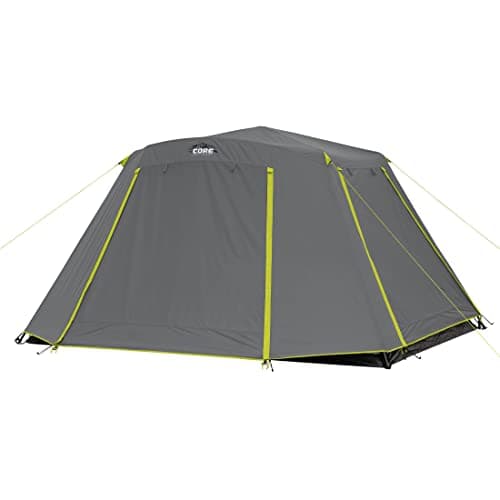
Size, measured in square feet per sleeper. Capacity ratings are a floor-area division, not a comfort promise. CORE Equipment publishes both figures for its own tents — its 14 by 9 ft model is listed as “9 (industry standard) / 4 + gear (most comfortable)” — which tells you exactly how far apart the two numbers are. Take the number on the box, subtract two, and that is the group it actually suits. Aim for 20 to 25 square feet per person.
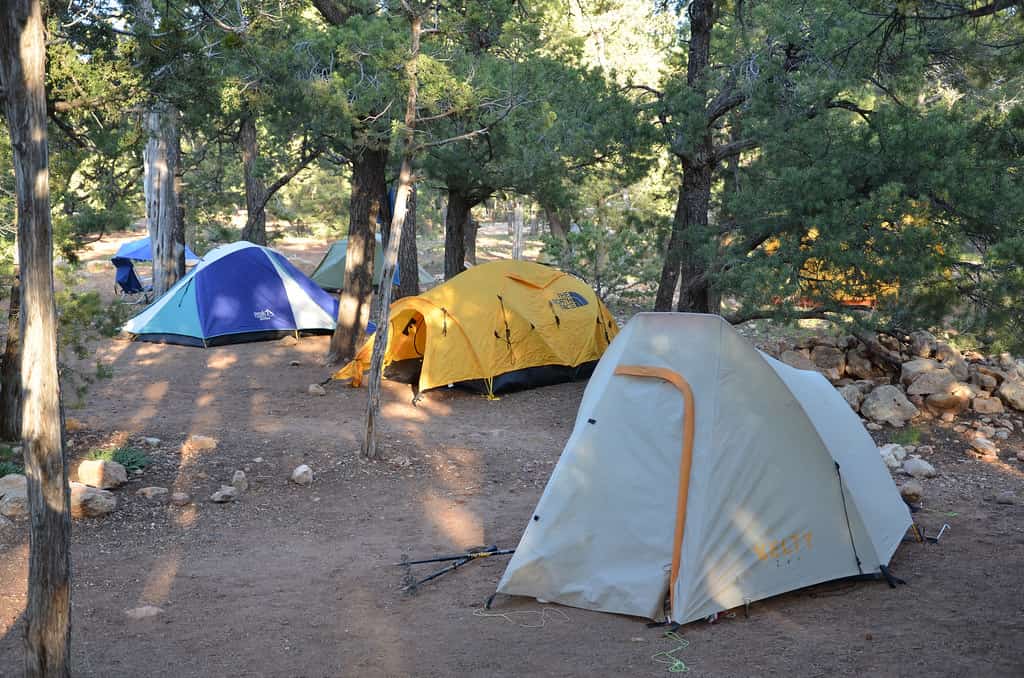
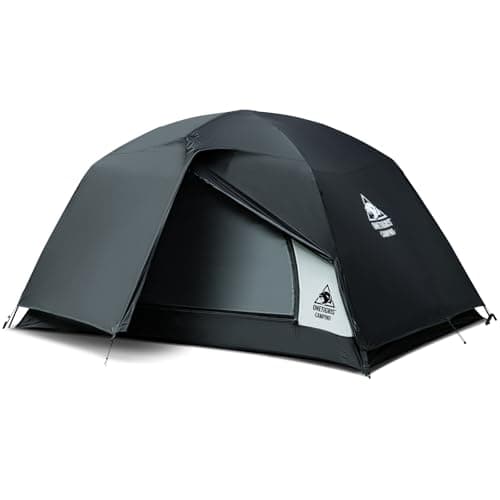
Height, which decides how much of that floor you can use. A dome tent slopes its walls inward, so the perimeter is space you can lie in but not sit up in. A cabin tent with near-vertical walls gives you nearly the whole footprint at full height. That is why a Eureka Copper Canyon LX 6 at 100 square feet and a 7 ft peak feels enormously bigger than a dome with the same floor and a 72 in center. If you camp anywhere it rains, buy the height.
Weather protection, which is mostly not the fabric rating. Family tents typically publish 1,200 to 1,500 mm of hydrostatic head, measured under ISO 811 by raising water pressure against the fabric until it penetrates. That number matters less than three things it does not describe: whether the seams are taped, how far the rainfly reaches down the tent, and whether you can tension the fly so it never touches the inner wall.
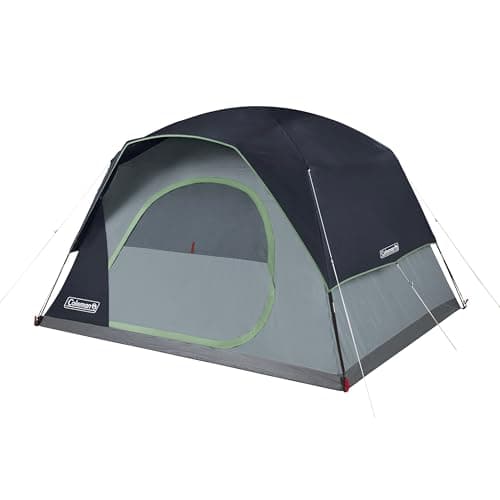
Setup type, which matters more than it sounds. An instant tent keeps its poles attached and pitches in one to two minutes; a pole-and-clip dome takes ten to fifteen the first few times. In daylight in calm weather the difference is nothing. At 9pm in wind with tired children it is the whole evening. You pay for it in weight and packed length: CORE's 9-person instant is 40 lb in a 48 in bag, against about 16.8 lb for a Coleman Skydome 6.
What size, for whom
Sleepers
Buy a tent sold as
Floor to look for
Per person
2
4 person
55-65 sq ft
28-32 sq ft
3
5-6 person
75-90 sq ft
25-30 sq ft
4
6 person
85-100 sq ft
21-25 sq ft
5-6
8-9 person cabin
120+ sq ft
20-25 sq ft
Per-person figures calculated from published floor areas.
What a beginner can safely ignore
Denier numbers. 68D polyester tells you the yarn thickness. It is a rough proxy for durability and it will not decide anything for you.
Season ratings. Nearly every tent sold for family camping is a 3-season tent, so the label distinguishes nothing.
Pole material, up to a point. Fiberglass poles are heavier and more brittle than aluminum, and at the family-tent price point that is what you get. It only becomes a real consideration in wind.
What we have not done
We have not pitched any of these tents in a storm, left one out for a season, or measured a floor with a tape. Every figure on these pages is a published manufacturer specification, with the one exception clearly labeled: OutdoorGearLab's measured floor for the Coleman Sundome 6, which we cite because it usefully shows how far a listed size can drift from a measured one. What we do instead of testing is set out at how we research.
When the tent is settled, the next thing that decides whether the trip works is what you sleep on, not what you sleep in: see sleep systems, and the packing list at checklists.
Questions people actually ask
QWhat size tent do I need for a family of four?
A tent sold as a 6-person, with 85 to 100 square feet of floor. That gives each person 21 to 25 square feet, enough for sleeping pads or airbeds plus bags and a walkway.
QWhat is a good waterproof rating for a tent?
Around 1,200 to 1,500 mm hydrostatic head is normal for family tents and adequate for typical rain. Taped seams and a full-coverage rainfly matter more than a higher millimeter figure.
QAre instant tents worth it?
Yes if you often arrive after dark or with small children, because setup drops to a minute or two. The cost is weight and packed length: CORE's 9-person instant is 40 lb in a 48 in bag against about 16.8 lb for a comparable dome.