Every gear site organizes itself the way the industry does, by product category. Nobody plans a trip that way. This section is organized by what you are actually doing.
A beginner does not think “I need a 3-season freestanding shelter.” They think “we are taking two kids to a campground in October.” Those are different questions, and only one of them can be answered by a product category.
Organizing by trip also stops the most expensive mistake in camping, which is buying equipment appropriate to a different activity. A 40 lb instant cabin tent is excellent for car camping and absurd on a trail. A 14 oz foam pad is right on a trail and needlessly uncomfortable beside a car. Neither is a bad product; both are bad matches.
The three trips, and what each demands
Trip
What it optimizes for
Where the gear budget goes
Car camping
Comfort and space, since nothing is carried
Sleep surface, chairs, kitchen
Family camping
Warmth, floor area and keeping children occupied
Tent size, pads, one headlamp per person
Backpacking
Weight, at roughly 20% of body weight loaded
Pack, shelter, sleep system, water treatment
What each trip type actually demands from a kit.
Car camping is where almost everyone should start
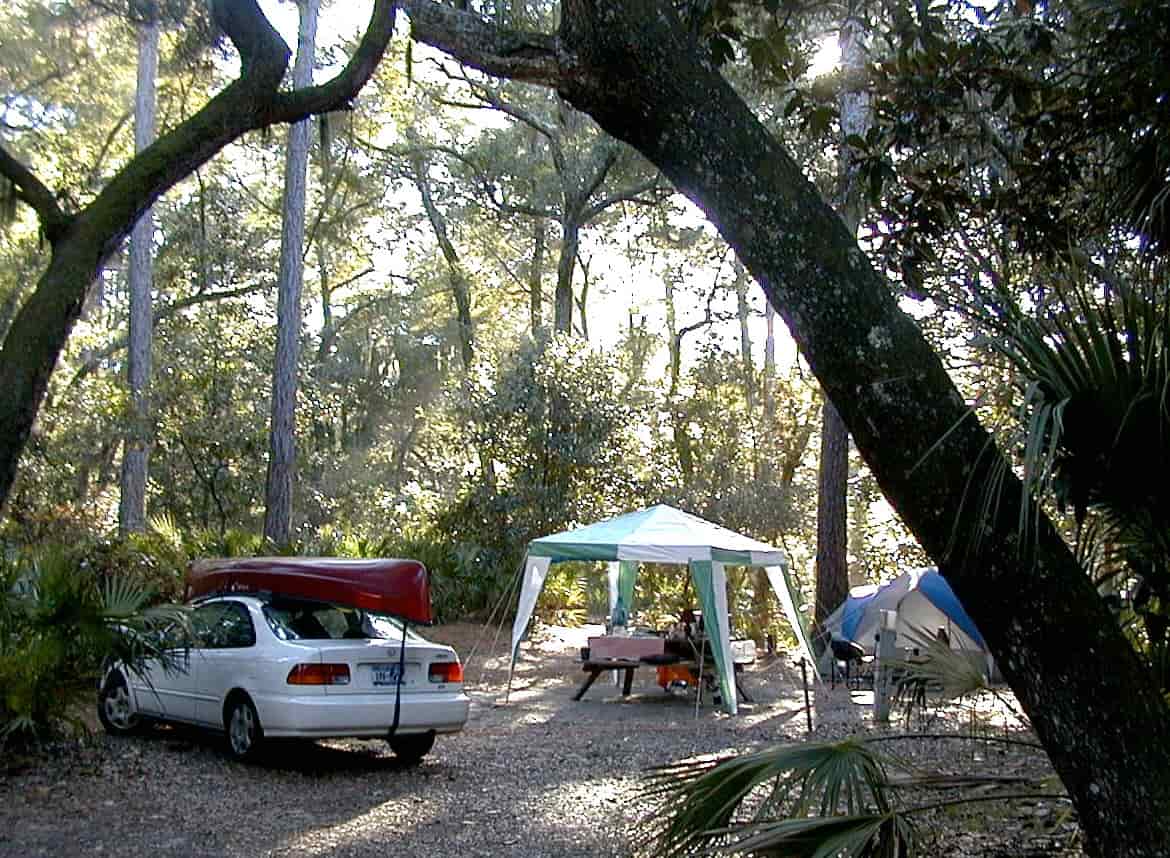
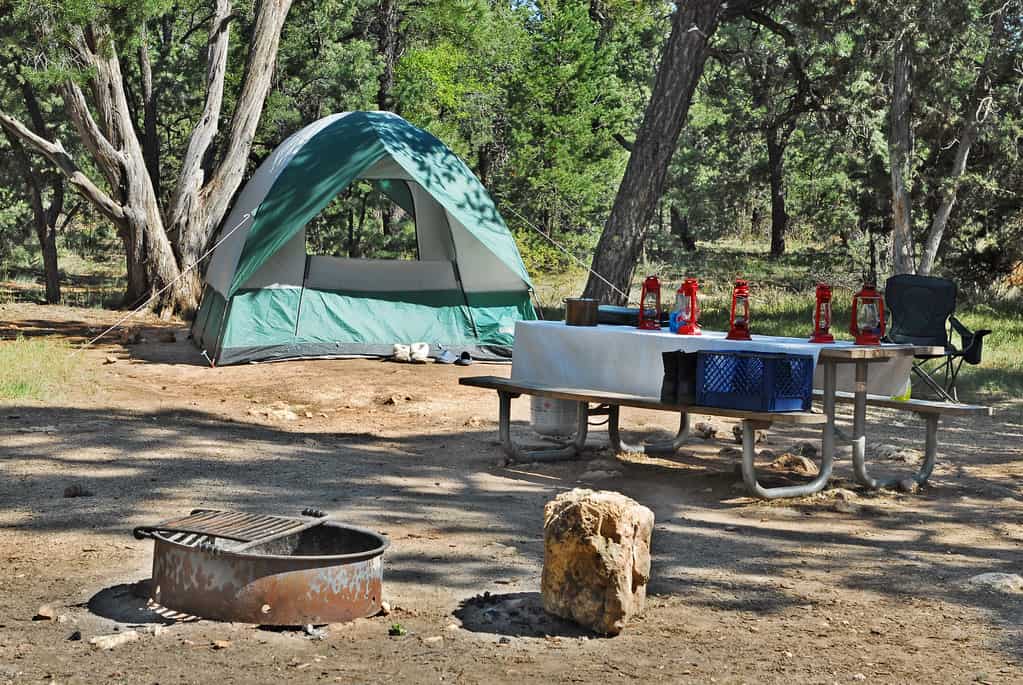
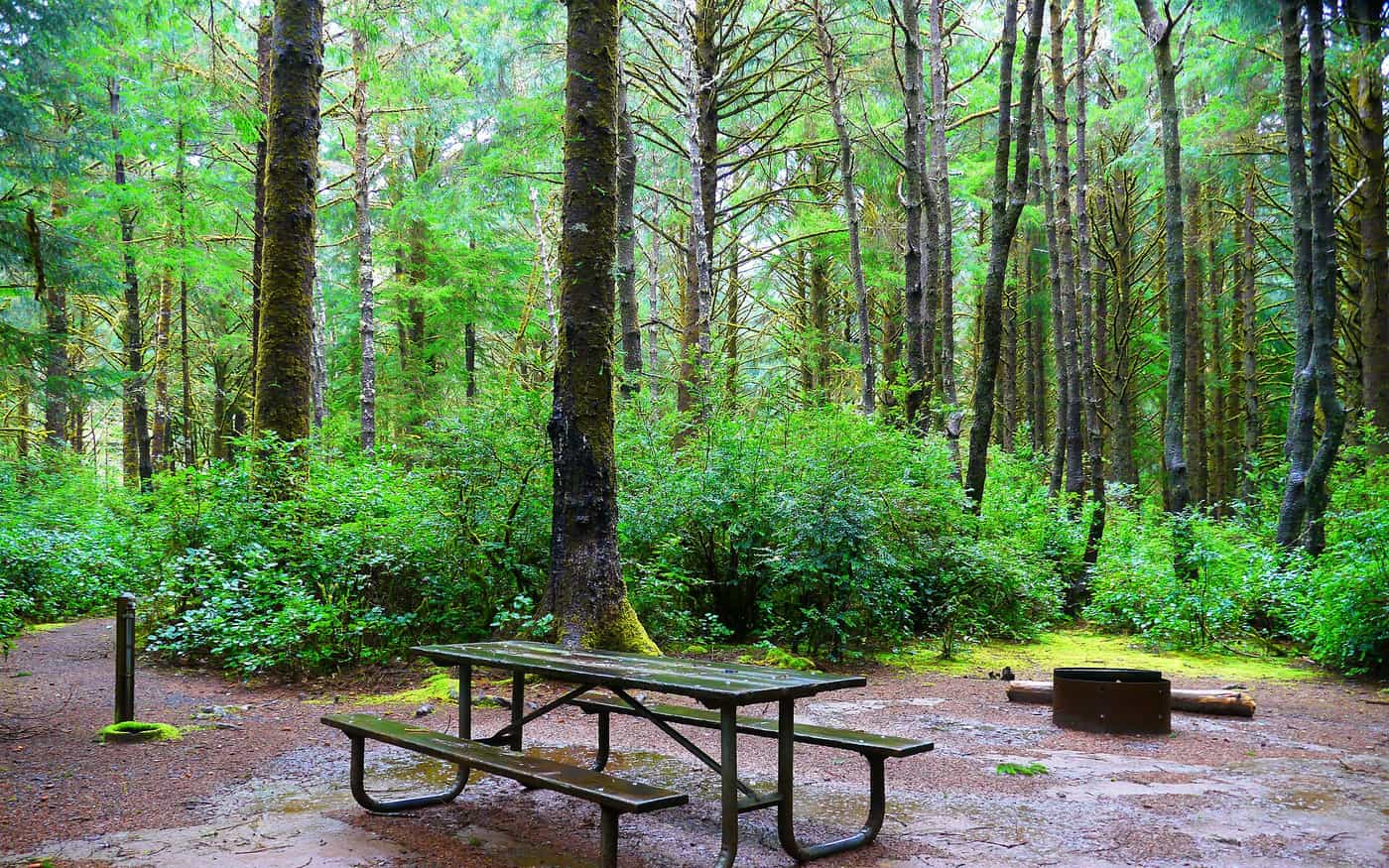
Nothing gets carried more than about fifty feet, so weight stops mattering and space and comfort start. You learn to pitch a tent, cook outdoors and sleep on the ground with a car twenty feet away when something goes wrong. The gear is cheaper and more forgiving, and the parts that matter most — a warm sleeping pad, a properly rated bag, a headlamp each — carry over to anything you do later.
Family camping is car camping with a smaller margin for error
Two things change. Children lose heat faster than adults and are worse at reporting it, so the sleeping pad and a bag that actually fits matter more than for adults. And tent capacity math becomes unforgiving: a family of four wants a tent sold as a 6-person, at 85 to 100 square feet, which is 21 to 25 square feet each.
Everything else is planning rather than equipment: arrive early, give children jobs, keep dinner simple, and pitch the tent in the garden once before you rely on it.
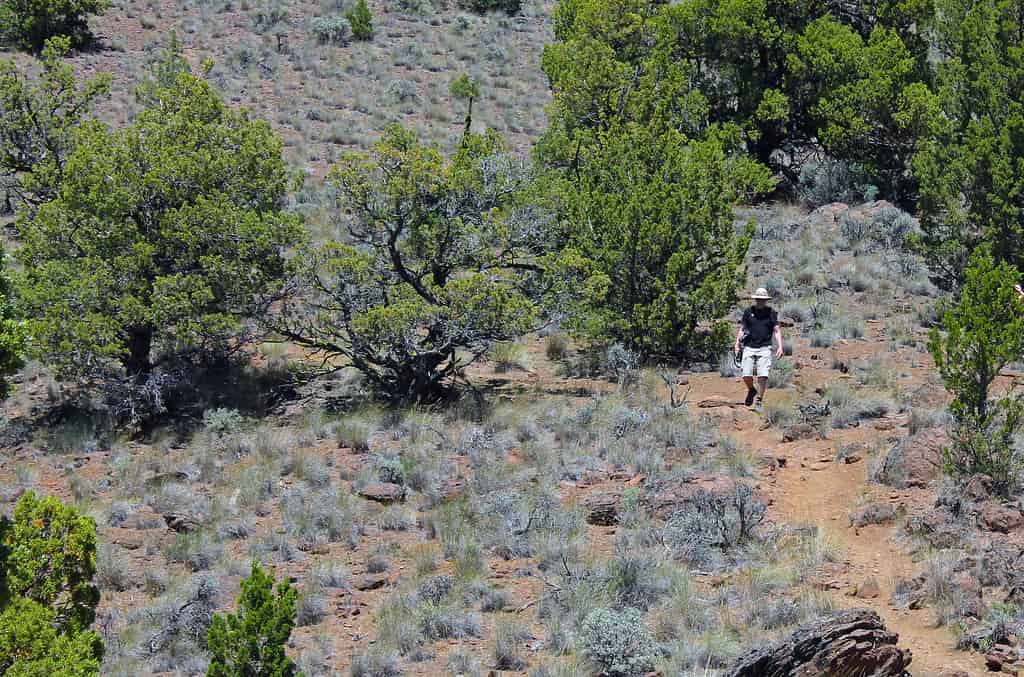
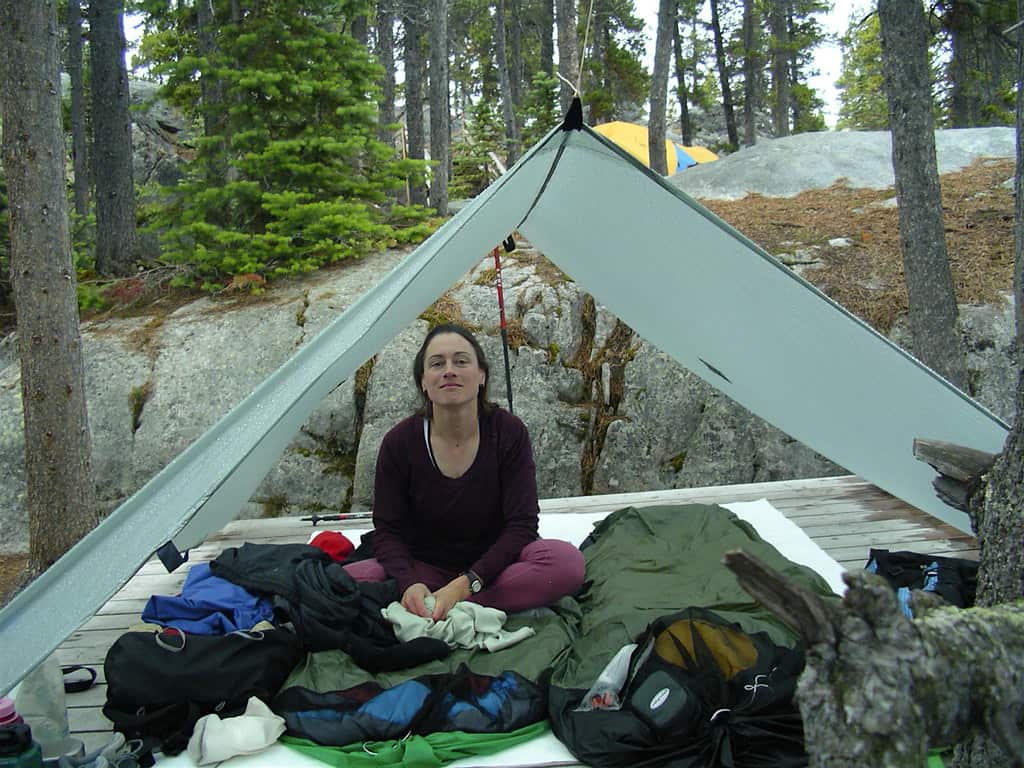
Backpacking is a different activity, not the next level
The kits diverge by a factor of two to fourteen. A Coleman Classic stove is 11.65 lb; a Jetboil Flash is 13.1 oz. A MondoKing 3D pad is 4 lb 6 oz; a Z Lite Sol is 14 oz. Both columns are correct for their job, and the classic first-trip mistake is carrying the left column up a hill.
Plan a first overnight from the weight backwards: aim for about 20% of your body weight loaded, borrow the big four (pack, shelter, bag, pad), and pick a route of three to five miles with modest elevation and a confirmed water source.
The triangle
Every trip guide here links to the gear roundups it depends on and to the checklist that packs it, and each of those links back. So a family camping trip connects to family tents and to the family checklist; a car camping weekend connects to car camping tents, camp stoves and the car camping list. Follow whichever corner you are standing in.
The lists themselves are at checklists, and if you have no idea where to begin, start here.
Questions people actually ask
QShould a beginner start with car camping or backpacking?
Car camping, unless you already hike regularly with a loaded pack. It lets you learn to pitch, cook and sleep outdoors without also managing pack weight, water treatment and navigation.
QWhat is the difference between car camping and backpacking gear?
Weight, by a factor of two to fourteen. A two-burner camp stove is 11.65 lb against 13.1 oz for an integrated backpacking system; a thick self-inflating pad is 4 lb 6 oz against 14 oz for a foam pad. Both are correct for their own trip.
QHow do you plan a first camping trip with kids?
One night, within about two hours of home, arriving three hours before sunset. Pitch the tent in the garden first, give children jobs during setup, and keep dinner to something you have cooked before.