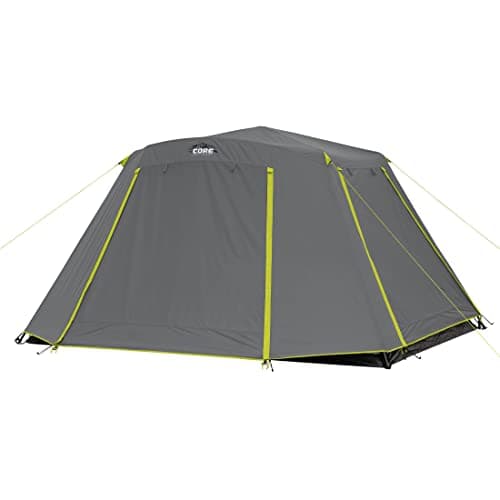
CORE 6 Person Instant Cabin Tent
CORE Equipment
The car camping answer: 27 lb, pitches in about a minute, and none of that weight is ever on your back.
$299.99 · Check price on Amazon
#ad how this is funded · price as of October 23, 2026
These are not two points on the same ladder. They are different activities that share a tent, and picking the wrong one first is how people decide they dislike camping.
Trail & Tarp earns a commission from qualifying purchases made through links on this page, at no extra cost to you. Full disclosure.
The short answer
Start with car camping unless you already hike regularly and enjoy carrying weight. Car camping lets you learn to pitch a tent, cook outdoors and sleep on the ground without also managing pack weight, water treatment and route finding. The gear is heavier, cheaper and more comfortable, and almost none of it is wasted — the sleep and lighting parts transfer, and the rest keeps working for the trips you keep taking.
| Item | Car camping | Backpacking | Weight difference |
|---|---|---|---|
| Tent | Coleman Skydome 6, about 16.8 lb | 2-5 lb, often split between two | 3 to 8x |
| Sleeping bag | Coleman Brazos 20, 5.3 lb | Kelty Cosmic Down 20, 2 lb 7 oz | about 2x |
| Sleeping pad | MondoKing 3D, 4 lb 6 oz, R 7.0 | Z Lite Sol, 14 oz, R 2.0 | 5x |
| Stove | Coleman Triton+, 11.9 lb | Jetboil Flash, 13.1 oz | 14x |
| Chair | GCI Freestyle Rocker, 11.8 lb | Helinox Chair One, 2 lb 2 oz, or nothing | 5x or infinite |
| Water | 5 gal containers, refilled at a tap | 2 L carried, filtered from a source | carried on your back |
The pattern is that everything gets between two and fourteen times lighter, and everything gets smaller, less comfortable and more expensive per ounce saved. That is the whole trade.
The mistake that puts people off camping entirely
Attempting a first backpacking trip with car camping gear. A 16 lb tent, a 5.3 lb sleeping bag and an 11.9 lb stove is over 30 lb before food, water or a pack, and it is genuinely miserable. If you want to try backpacking, borrow light gear for one night rather than carrying the heavy kit you own.
Car camping is cheaper to start and stays cheaper. The gear is heavier because it is made of cheaper materials, which is precisely why it costs less: a 16 lb family tent and a 2 lb backpacking tent are not competing on the same axis.
Backpacking gets expensive in the middle: the pack, the light tent, the filter and the shoes all have to be bought at once, and none of them have cheap versions that work well. We do not quote prices anywhere on this site because they move constantly; check today's price on anything we link.
Two options sit between the extremes, and both are underrated:
Both let you find out whether you enjoy the walking part before you buy a pack.
Start with car camping. Learn to pitch, cook and sleep outside with a safety net. If you find yourself looking at the trailhead sign every morning, read your first backpacking trip and borrow gear for a single overnight.
Skip straight to backpacking only if you already hike regularly, have carried a loaded pack before, and know you enjoy it. Then the car camping stage is a detour.
Either way, the gear that spans both is sleep and light: a bag with a real ISO rating, a pad with a real R-value, and a headlamp each. Start there, and start with the car camping guide.
CORE Equipment
The car camping answer: 27 lb, pitches in about a minute, and none of that weight is ever on your back.
#ad how this is funded · price as of October 23, 2026
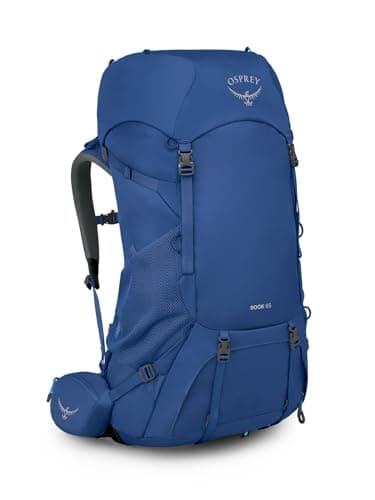
Osprey
The backpacking answer: 65 L over an adjustable 18-22 in torso, with an integrated rain cover.
#ad how this is funded · price as of October 23, 2026
Klymit
A pad that works for both, which is rare: light enough to carry and insulated enough for a cold pitch.
Car camping means driving to a site and pitching beside your parked car, so weight does not matter and gear is bigger and more comfortable. Backpacking means carrying everything to a site on foot, so every item is chosen against a weight budget of roughly 20% of your body weight.
Car camping, unless you already hike regularly with a loaded pack. It lets you learn to pitch a tent, cook outdoors and sleep on the ground without simultaneously managing pack weight, water treatment and navigation.
Only some of it. A light sleeping bag, a foam pad and a small canister stove all transfer. A family tent at 16 lb, a two-burner stove at 11.9 lb and a 4 lb self-inflating pad do not, and carrying them is how people conclude they dislike backpacking.
Yes, and in more ways than the walking. You are also managing pack weight, water treatment, navigation and the fact that you cannot easily leave. That is the appeal for some people and the reason others prefer a campground.
Every figure on this page comes from a published source. We have not tested this gear, so the numbers are the manufacturer's or the standard body's, not ours. How we research.