Skip to content
Trail & Tarp

Checklists

The Beginner Backpacking Gear List, With Weights Attached

Every item on a backpacking list has a weight, and the list only works if you add them up. Here it is, grouped, with published weights so the arithmetic is done for you.

By Sawyer V.Published September 3, 2026Last updated September 3, 2026How we research
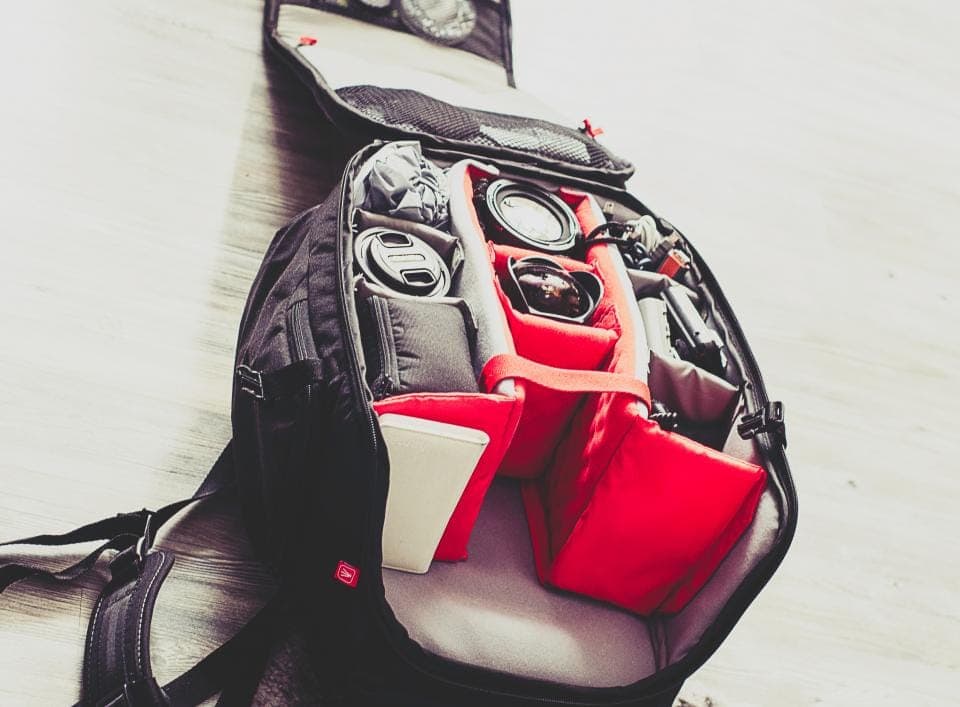
Backpacking gear laid out before a trip

Trail & Tarp earns a commission from qualifying purchases made through links on this page, at no extra cost to you. Full disclosure.

Quick picks

#ProductBest forPrice
1
No photo

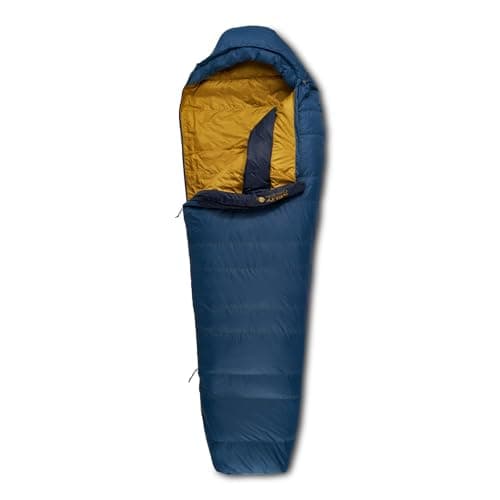
The sleeping bag

Kelty Cosmic Down 20

2 lb 7 oz with ISO comfort 31 F and ISO limit 21 F.

Three-season overnights
2
No photo

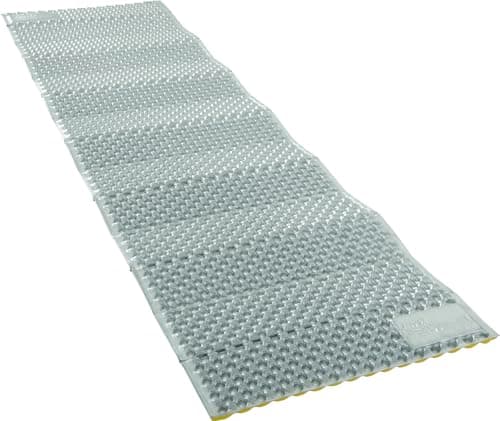
The sleeping pad

Therm-a-Rest Z Lite Sol

14 oz, R 2.0, and it cannot puncture no matter what you drag it over.

Warm months, and as a second layer any time
3
No photo

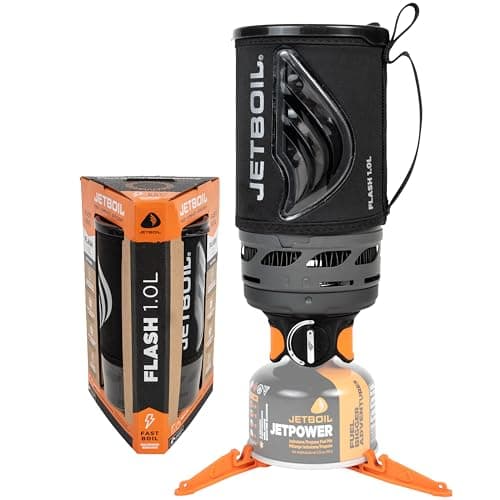
The stove

Jetboil Flash 1.0 L

13.1 oz for the whole system, boiling two cups in about 100 seconds.

Boil-only meals, which is what you should cook on trip one

What to pack for a first overnight

The short answer

Target a loaded pack of about 20% of your body weight, including food and water. Water is 2.2 lb per liter and food is roughly 1 lb per day, so a 160 lb person aiming at 32 lb has about 25 lb of gear budget. Weigh things at home on a kitchen scale, because estimates are always optimistic.

The big four, weighed

ItemRecommendationPublished weight
Pack50-65 L, fitted to torso length3-4 lb typical
Shelter1-2 person backpacking tent2-5 lb, split if sharing
Sleeping bagKelty Cosmic Down 202 lb 7 oz
Sleeping padTherm-a-Rest Z Lite Sol14 oz
Pack and tent weights are typical ranges; bag and pad weights are as published by the manufacturers.

These four are where the weight lives, and they are the four to borrow before you buy. The rest of the list adds up to a few pounds no matter what you do.

Sleep

Kitchen

Clothing worn and carried

Why so little: a change of clothes for one night is one spare pair of socks and a dry sleep layer. Everything else is the same clothing you walked in, and carrying spares of it is the most common first-trip weight mistake.

Navigation, safety, and the small things

Leave these at home

  • Spare clothes beyond one sock change and a dry sleep layer.
  • A chair, unless it is a 2 lb packable and you are honest about wanting it.
  • A full first aid kit. Take blister care, painkillers and the basics, not a cabinet.
  • A knife bigger than a small multi-tool.
  • Anything you packed last time and did not touch. That list is your best editor.

The weight check before you go

Load the pack completely, including water and food, and stand on a bathroom scale holding it, then without it. The difference is your real pack weight. Do this two days before, not an hour before, so there is time to take things out.

If you are over 25% of your body weight, the fix is almost always the big four rather than the small items: a lighter shelter, or splitting the tent with a partner. The planning side of the trip — route, permits, water sources — is in your first backpacking trip.

And if this list makes the whole thing sound like hard work, that is useful information. Car camping vs backpacking lays out what each is actually good at, and there is no rule that says you have to progress from one to the other.

The picks in full

1. The sleeping bag

Kelty Cosmic Down 20

Kelty

2 lb 7 oz with ISO comfort 31 F and ISO limit 21 F.

Light enough to carry and rated by an actual laboratory test rather than a marketing department. The rating system is explained in sleeping bag temperature ratings explained.

The drawback

Down, so it must stay dry. Pack it in a waterproof liner, not just the stuff sack.
No product photo: we don't take our own

Published specs

ISO comfort
31 F
ISO limit
21 F
Fill
550-fill DriDown
Weight (regular)
2 lb 7 oz
Shape
semi-rectangular

Specs: Kelty product page

2. The sleeping pad

Therm-a-Rest Z Lite Sol

Therm-a-Rest

14 oz, R 2.0, and it cannot puncture no matter what you drag it over.

The classic first backpacking pad. Below about 50 F you want more R-value, and R-values stack, so this one keeps earning its place even after you buy a warmer pad.

The drawback

0.75 in thick. Side sleepers will feel the ground; stack it under an air pad.

No product photo: we don't take our own

Published specs

R-value
2.0
Size (regular)
72 x 20 x 0.75 in
Weight (regular)
14 oz
Type
closed-cell foam

Specs: Therm-a-Rest Z Lite Sol published specs

3. The stove

Jetboil Flash 1.0 L

Jetboil

13.1 oz for the whole system, boiling two cups in about 100 seconds.

With a dehydrated dinner and oatmeal for breakfast, this is your entire kitchen: one pot, one burner, one canister. Alternatives are in best camp stoves.

The drawback

It boils rather than cooks, and isobutane canisters cannot be part-measured.

No product photo: we don't take our own

Published specs

Boil time
2 cups in about 100 seconds
Weight
13.1 oz
Capacity
1.0 L
Fuel
isobutane-propane canister
Ignition
push button

Specs: Jetboil product page

Questions people actually ask

QWhat do I need for my first backpacking trip?

A pack fitted to your torso, a light shelter, a sleeping bag and pad, a small stove and fuel, 2 L of water capacity plus a filter, one spare pair of socks and a dry sleep layer, a headlamp, a map, and a small first aid and repair kit.

QHow heavy should a beginner backpacking pack be?

About 20% of your body weight fully loaded, with 25% as a ceiling. For a 160 lb person that is roughly 32 lb including food and water. Weigh the loaded pack on a bathroom scale two days before the trip, not an hour before.

QWhat should you not bring backpacking?

Spare clothes beyond one sock change and a dry sleep layer, a large knife, an oversized first aid kit, and anything you carried last time without using. Your own unused-items list from a previous trip is the most reliable editor there is.

QCan I use a camping sleeping bag for backpacking?

Only if it is light enough. A Coleman Brazos at 5.3 lb is a heavy way to carry a 20 F rating; a Kelty Cosmic Down 20 at 2 lb 7 oz carries an ISO comfort rating of 31 F for less than half the weight. Weight and rating both matter.

How we picked

Everyone else in this category will tell you they tested twenty of these. We have not tested any of them, and we would rather say so than pretend. There is no gear closet here and no test lab.

What we did instead: pulled the published specifications from each manufacturer's own spec sheet or manual, named the standard behind every rating so you can check what it actually promises, did the arithmetic that turns a spec into a decision, and pulled today's real retail price rather than quoting one from memory. Every pick states a drawback, because a list where nothing is wrong with anything is an advert.

The limits of that method, stated plainly: published specs do not capture zipper quality, seam durability, or how a tent behaves at 2am in a storm. Where that matters, we say so on the pick. The full method is here.

Sources for this page