Clothing and Footwear, Judged on Whether It Keeps You Out There
Almost nobody abandons a camping trip because their tent failed. They abandon it because they got wet, then cold, and could not get warm again.
Start here if…
Buying your first proper boots?Best hiking boots for beginners starts with whether you need a mid-height boot at all. Have a trip booked and rain forecast? Go straight to rain jackets. Confused by base layers and shells?How to layer for camping explains the three jobs and which fabrics do them.
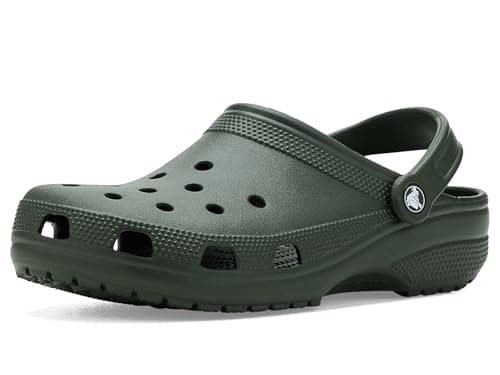
Cold once you stop walking?Insulated jackets is about the hours you sit still, and camp shoes is why your boots are dry in the morning.
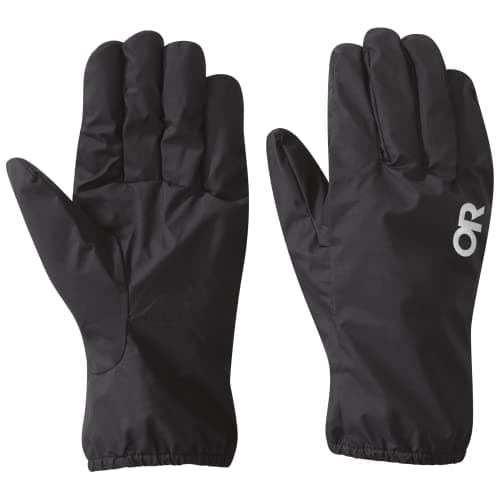
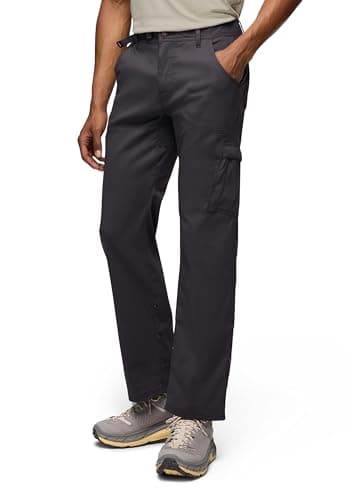
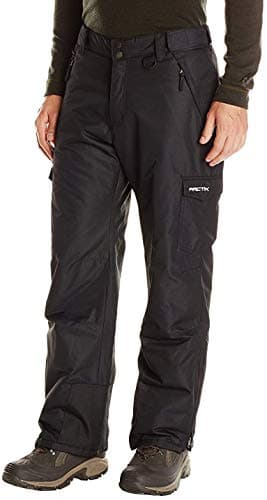
Cold hands, or the wrong trousers?Gloves for camping explains why one pair never works, and hiking pants comes down to a single fabric rule.
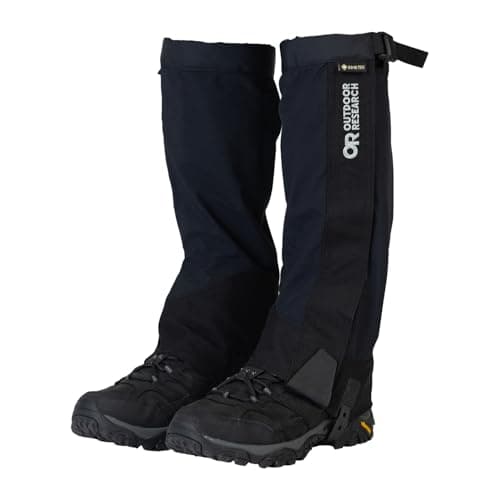
Snow, scree or wet brush?Best gaiters for hiking names the three conditions that justify them.
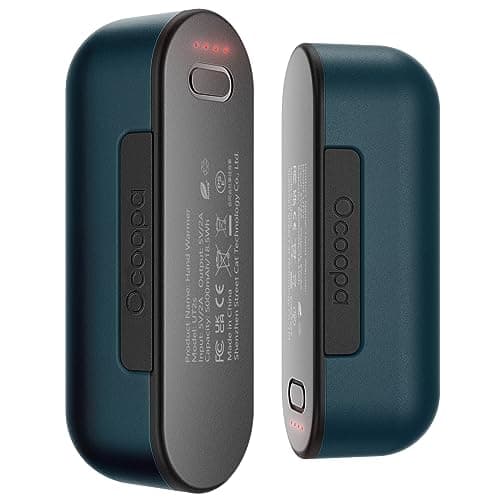
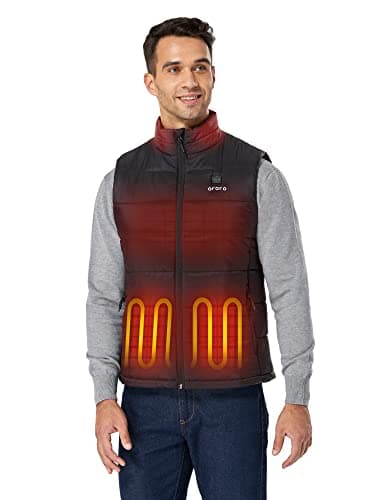
Standing still in real cold?Best hand warmers for camping compares rechargeable, disposable and refillable on runtime and how each one fails, and heated vests explains the watt-hour figure that decides how long yours lasts.
Trail & Tarp earns a commission from qualifying purchases made through links on this page, at no extra cost to you. Full disclosure.
The three jobs, and why cotton fails at all of them
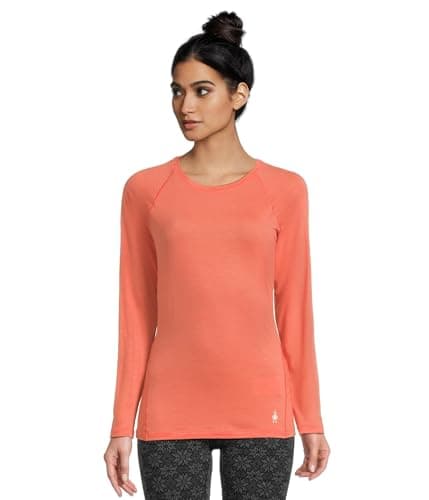
Outdoor clothing is sold as an endless taxonomy of fabrics and trademarks. It only does three jobs. A base layer moves sweat off your skin. A mid layer traps still air, which is what insulation actually is. A shell stops wind and rain from stripping that still air away. Everything on a shop wall is one of those three, and a beginner needs one of each.
Cotton fails at all three, for one reason: it holds water in the fiber rather than between fibers. A wet cotton shirt sits against your skin and conducts heat out of you for hours, and it does not dry at ambient temperature the way a synthetic does. That is the whole basis of the old hiking saying about cotton, and it is the single most useful clothing rule to give someone new. Wool and synthetics both hold much less water and keep insulating when damp.
What the waterproof numbers on a jacket mean
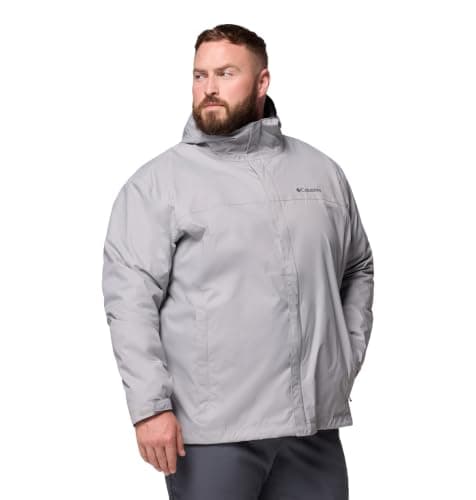
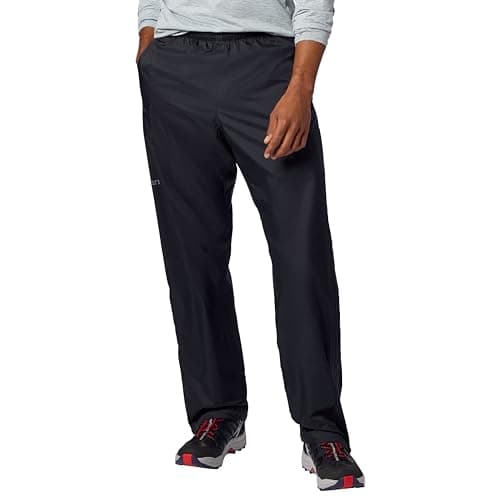
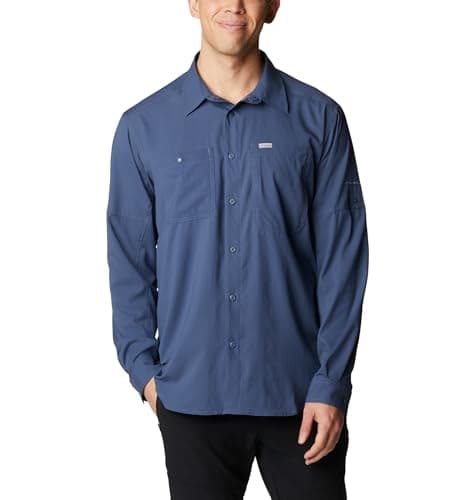
Rain shells are rated the same way tent fabric is: a hydrostatic head figure in millimeters, produced by pressing water against the fabric until it penetrates. Marmot publishes 10,000 mm for the PreCip Eco, along with a breathability figure of 17,000 g/m2/24hr. Columbia publishes no number at all for the Watertight II, describing it instead as 2-layer Omni-Tech, fully seam sealed. Both approaches are normal, and neither tells you the thing that decides whether you stay dry.
What is claimed
What it actually promises
What decides wetness
10,000 mm hydrostatic head
The fabric resists water under pressure
Whether the seams are taped
Breathable membrane
Vapor can pass outward
Whether you can vent faster than you sweat
DWR finish
Water beads on the face fabric
How recently it was reproofed
Packable
It folds into its own pocket
Whether you actually brought it
Manufacturer claims as published, alongside the practical constraint each one leaves out.
The honest summary: on a camping trip you get wet from the inside far more often than from the outside. A jacket that traps your own sweat feels exactly like a jacket that leaks. Pit zips, an adjustable hood and the discipline to walk slower matter more than another few thousand millimeters.
Boots: the question is ankle height, not brand
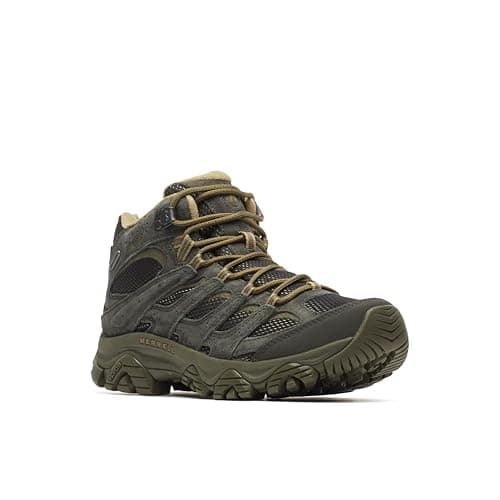
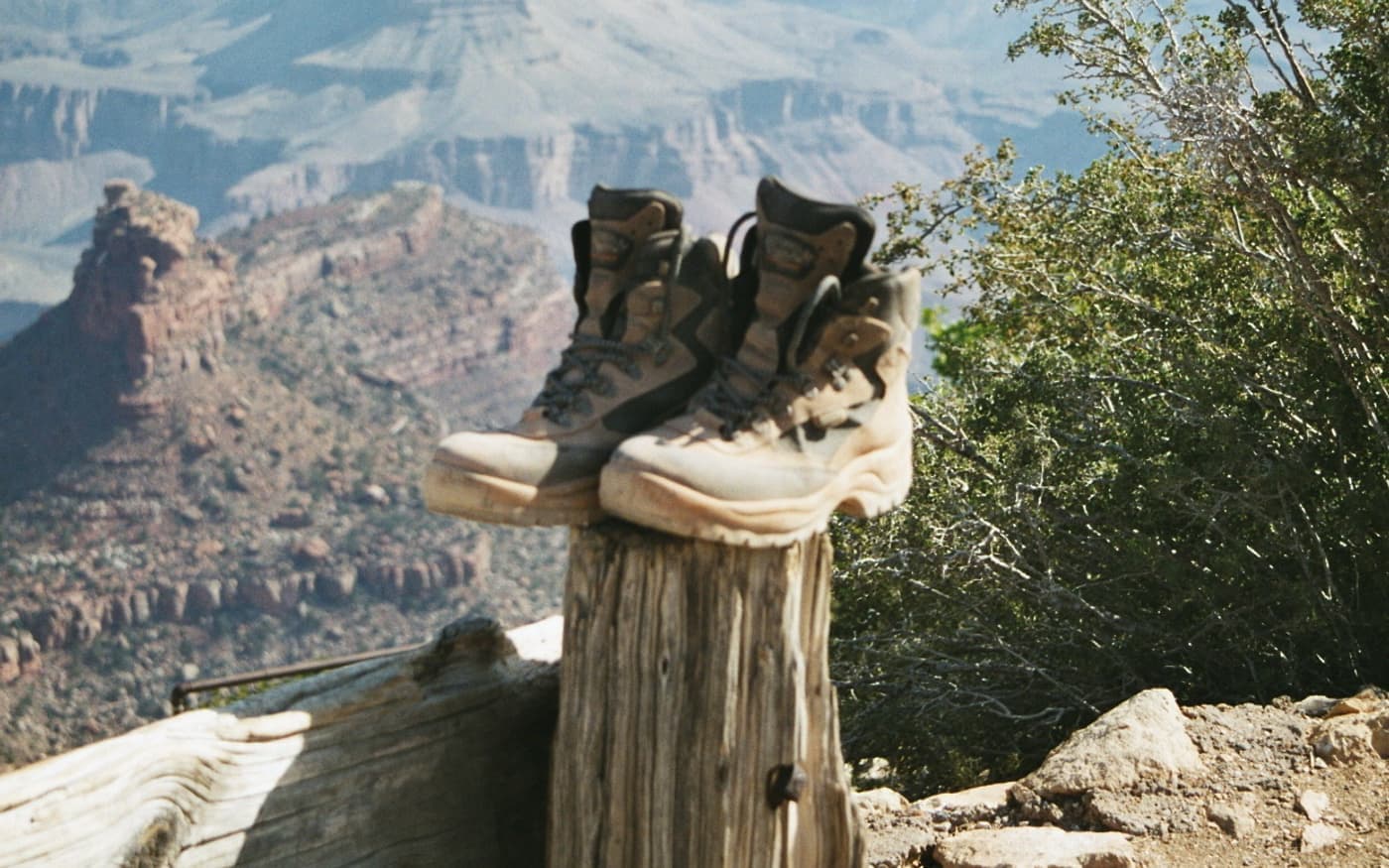
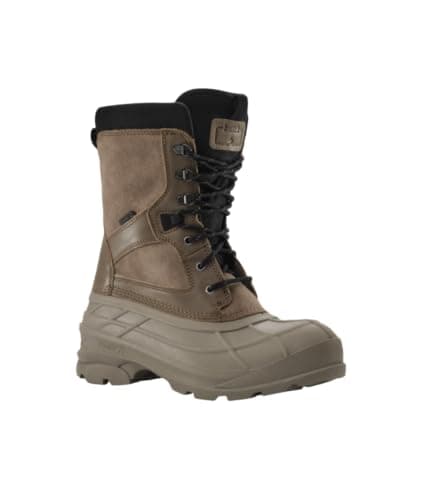
For campground walking and day hikes on maintained trails, a trail shoe is often enough and is lighter, cooler and needs no breaking in. A mid-height boot earns its weight in three situations: carrying a loaded pack, walking on rough or uneven ground, and cold or wet conditions where a higher cuff keeps water and grit out.
Weight compounds. The Salomon X Ultra 4 Mid GTX is published at 1 lb 14.4 oz per pair; Merrell publishes 1 lb 1.45 oz for a single Moab 3 Mid Waterproof. Those are not dramatic differences on a shop scale, but a boot is lifted thousands of times a day, and it is the most fatiguing weight you carry.
Waterproof membranes are the other decision. They keep splash and wet grass out, and they also slow drying dramatically once water gets in over the cuff. If you camp in summer heat and cross no streams, a non-waterproof boot may serve you better. If you camp in spring, autumn or anywhere with dew-soaked morning grass, take the membrane.
Buy in this order
If you can only buy one thing before your next trip, buy the rain shell — it is the item whose absence ends trips. Then footwear that fits, then a fleece or synthetic mid layer, then base layers. Cheap synthetic base layers work nearly as well as expensive ones. Cheap shells rarely do.
Questions people actually ask
QDo I need hiking boots for camping?
Not for campground walking, where a trail shoe or trainer is usually enough. Mid-height boots earn their weight when you carry a loaded pack, walk rough ground, or camp in cold and wet conditions where a higher cuff keeps water and grit out.
QWhy should you not wear cotton camping?
Cotton holds water inside the fiber, so a wet cotton layer stays wet, conducts heat away from your skin, and dries very slowly. Wool and synthetics hold much less water and keep insulating when damp.
QWhat does the mm rating on a rain jacket mean?
It is a hydrostatic head figure: water pressure is raised against the fabric until it penetrates, and the height of the water column in millimeters is recorded. It describes the fabric only, not the seams, zips or how well you can vent trapped sweat.