How to Layer for Camping Without Buying a Wardrobe
Layering is not a shopping list. It is three jobs, and once you know which job each garment is doing, you can do it with clothes you already own.
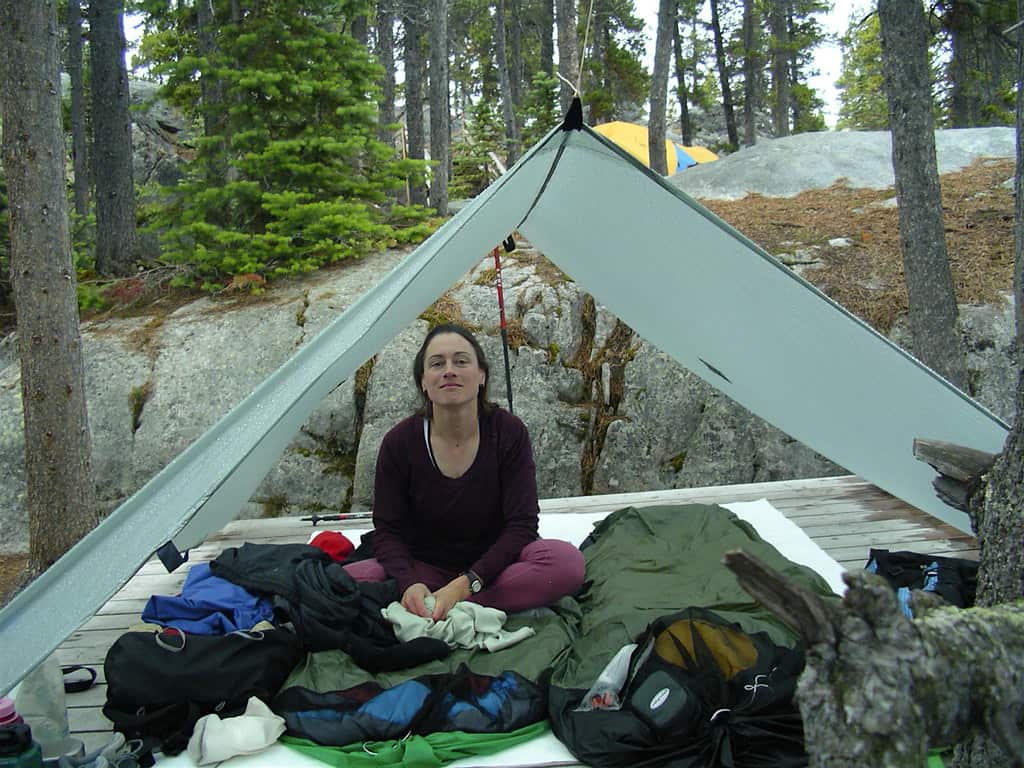
Three jobs, not three purchases
The short answer
A base layer moves sweat off your skin. A mid layer traps still air, which is what insulation is. A shell stops wind and rain stripping that still air away. Every garment in an outdoor shop is doing one of those three jobs. You need one of each, not one of each in four thicknesses, and for a first season most of it can come out of a drawer you already own — with one exception.
The exception is cotton, and the reason is physical rather than fashionable. Cotton fibers absorb water into the fiber itself, so a wet cotton shirt holds several times its own weight against your skin, conducts heat out of you continuously, and takes many hours to dry at ambient temperature. Wool and synthetics hold water between fibers instead, where it drains and evaporates, and they keep trapping air while damp.
That is the whole basis of the old walking-club line about cotton killing. It is overstated for a July campground and entirely fair for a wet October hillside.
What each layer is doing
| Layer | Job | Good materials | What to avoid |
|---|---|---|---|
| Base | Move sweat off the skin, dry fast | Merino wool, polyester, polypropylene | Cotton, including cotton-blend t-shirts |
| Mid | Trap still air near the body | Fleece, synthetic insulation, down, wool | Anything that compresses flat and stays flat |
| Shell | Block wind and rain, let vapor out | Waterproof-breathable shell, windproof softshell | Non-breathable plastic macs for anything active |
Base layers split into merino and synthetic. Merino resists odor remarkably well, which matters on a multi-day trip, and it keeps insulating when soaked. Synthetic dries faster, costs less, and is more durable. Neither is wrong. Both are dramatically better than the cotton t-shirt most people wear.
Mid layers are where insulation happens, and thickness is not the whole story: loft is. A garment insulates by holding still air, so a thick fleece and a thin down sweater can be equally warm at very different weights. Fleece is the beginner's answer — cheap, tough, keeps insulating wet, dries fast, and utterly unfazed by campfire sparks in a way that a down jacket is not.
Shells are covered in full in best rain jackets for camping. The short version: seam sealing matters more than the fabric rating, and the ability to vent matters more than either.
The mistake: dressing for the temperature you feel at the car
A layering system works because you take layers off before you get hot, not after. Sweat is the enemy of every subsequent hour: once your base layer is soaked, it will keep stealing heat from you all evening, and you will be cold in a tent at 10pm because of a decision you made walking uphill at 2pm.
The habit worth building is being slightly cold at the start of any effort. Strip a layer at the trailhead, walk yourself warm, and stop to add one the moment you stop moving. Around a campsite the same rule applies in reverse: put a warm layer on the instant you sit down, while you are still warm, rather than waiting until you have chilled and asking the layer to reheat you. It cannot.
The extremities rule
If your hands and feet are cold, the fix is usually not gloves and socks — it is a warmer core. Your body constricts blood flow to the extremities to protect core temperature, so cold fingers are frequently a signal that your torso is under-insulated. Put a hat and another mid layer on first. A hat is the highest warmth-to-weight item in any pack, and the reason it works is simply that a head is a large, well-supplied, usually uncovered surface.
What to actually pack for a three-season weekend
This is a two-night, shoulder-season car camping list for one adult. Backpacking cuts the spares; summer cuts the insulation.
- 2 base layer tops — one worn, one dry in the bag for the evening.
- 1 fleece or synthetic mid layer, plus a second thin one if nights are near freezing.
- 1 waterproof shell. Non-negotiable, even in a settled forecast.
- Quick-dry trousers, not jeans. Wet denim is unwearable and never dries.
- 3 pairs of wool or synthetic socks, and one pair that never leaves the sleeping bag. Dedicated dry sleep socks are the cheapest sleep upgrade there is.
- A warm hat and light gloves, even in summer, because clear nights are cold nights.
- Camp shoes. Getting out of boots at the end of the day is a genuine morale item.
Why this belongs to your sleep system too
The clothes you sleep in are part of your sleep system, and a dry base layer plus dry socks can be worth a few degrees of bag rating. What it cannot fix is the ground: no amount of clothing compensates for an under-insulated pad, because your body weight crushes the insulation underneath you flat. That is the mechanism explained in why you get cold in a sleeping bag and measured by R-value.
One more rule: never sleep in the clothes you sweated in. They are damp, even if they feel dry to the touch, and they will keep you cold all night. Change into the dry set, and put tomorrow's base layer at the bottom of the sleeping bag so it is warm when you get into it.
Buy in this order
If the budget is one item, buy the shell. If it is two, add a fleece. If it is three, add base layers, and buy synthetic ones. Boots come after all of that unless your walking is genuinely rough, which is the argument made in full in best hiking boots for beginners. The family camping checklist has the whole clothing group in printable form.
Questions people actually ask
QWhat is the three-layer system for camping?
A base layer that moves sweat off the skin, a mid layer that traps still air for insulation, and a shell that blocks wind and rain. Each garment in an outdoor shop is doing one of those three jobs, and a beginner needs one of each rather than several of any.
QWhy is cotton bad for camping?
Cotton absorbs water into the fiber itself, so it holds many times its weight in water against your skin, conducts heat away from you, and dries very slowly. Wool and synthetics hold water between fibers where it drains and evaporates, and keep insulating when damp.
QShould I wear a hat to bed when camping?
Yes on cold nights. A head is a large uncovered surface with strong blood supply, so a hat is one of the highest warmth-to-weight items you can carry. Cold hands and feet usually mean your core needs more insulation, not that your extremities do.
QWhat should I wear to sleep when camping?
A dry base layer and dry socks kept exclusively for sleeping. Never sleep in the clothes you sweated in, even if they feel dry, because residual damp will keep you cold all night. Clothing does not compensate for an under-insulated sleeping pad.
Sources
Every figure on this page comes from a published source. We have not tested this gear, so the numbers are the manufacturer's or the standard body's, not ours. How we research.