Packs and Carry: Getting the Gear From the Car to the Pitch
Two problems live here. One is a backpack that fits your back rather than your ambition. The other is the boring one nobody writes about: where the gear lives between trips.
Start here if…
Buying a first backpacking pack? Read best backpacks for beginners — torso length decides this purchase, not volume. Car camping and drowning in loose gear?gear storage bins is the unglamorous page that saves an hour before every trip. Own the pack and cannot make it comfortable?How to pack a backpacking backpack is about load position, which is usually the real problem.
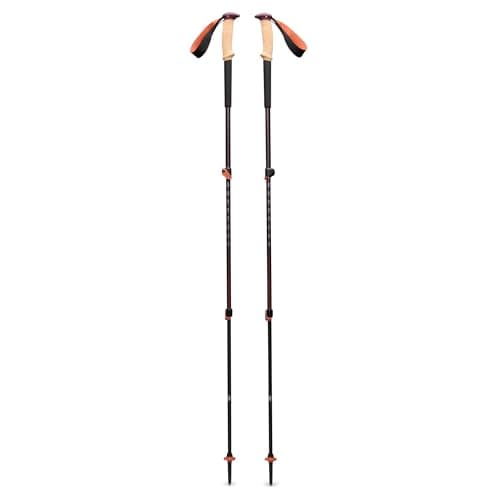
Knees complaining on descents?Trekking poles explains why the lock matters more than the shaft. For water on the move, see hydration packs.
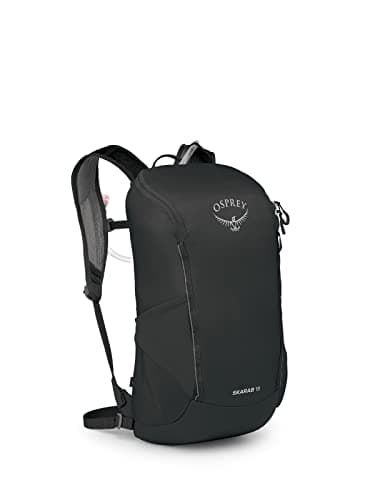
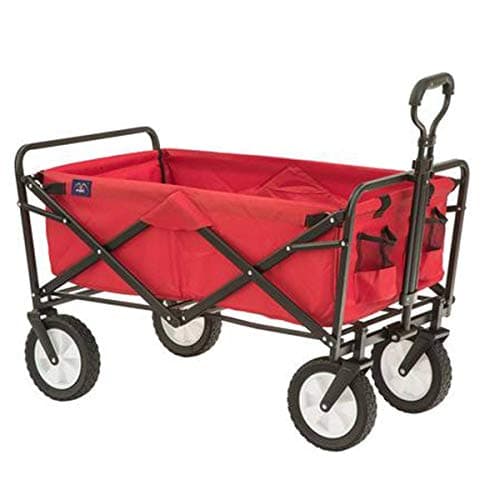
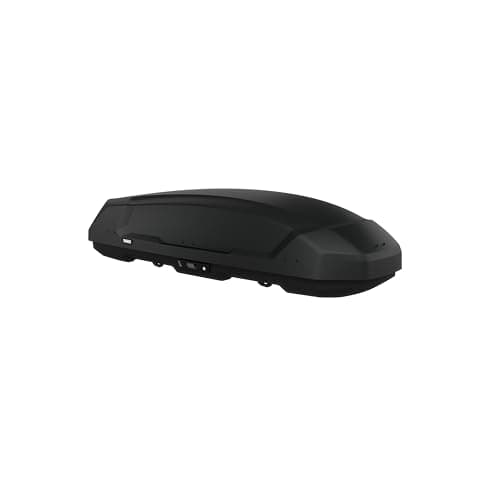
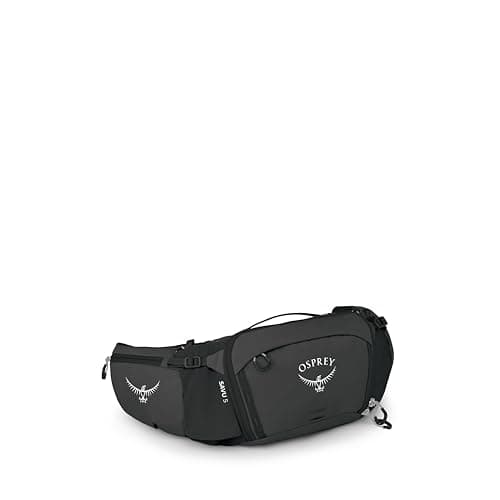
Moving gear rather than carrying it?Wagons and gear carts is decided by the wheels, and roof boxes by your vehicle roof limit rather than the box. For short days, see hip packs.
Volume is the number on the label. Torso length is the number that matters
Packs are sold by capacity in liters, and that is the number every beginner shops on. It is the wrong one. A 65 L pack that does not match your torso will hang the load off your shoulders no matter how carefully you pack it, and shoulder-carried weight is what turns a pleasant walk into a grim one.
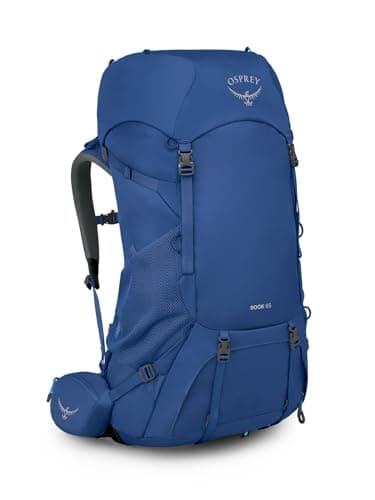
Torso length is the distance from the bony bump at the base of your neck (the C7 vertebra) to the imaginary line across the top of your hip bones. It is not your height. Two people the same height routinely measure two inches apart, which is the difference between a pack that carries and a pack that does not. Manufacturers publish the range each pack fits: the Osprey Rook 65 covers 18 to 22 in on an adjustable back panel, the TETON Scout 3400 covers 15 to 19.5 in, and the Kelty Redwing 50 covers 16 to 20 in. Measure first, then shortlist.
Once the pack fits, the hip belt does the work. Roughly 80% of a loaded pack should sit on your hips, with the shoulder straps stabilizing rather than carrying. If your shoulders ache after an hour, the belt is too high, too loose, or the torso length is wrong.
How much volume a beginner actually needs
Trip
Volume
Why
Day hike from a campsite
20-30 L
Water, layers, lunch, first aid
One or two nights, summer
45-55 L
Bag, pad, shelter share, food
Two to four nights, or shoulder season
55-70 L
Warmer bag, more food, bulkier layers
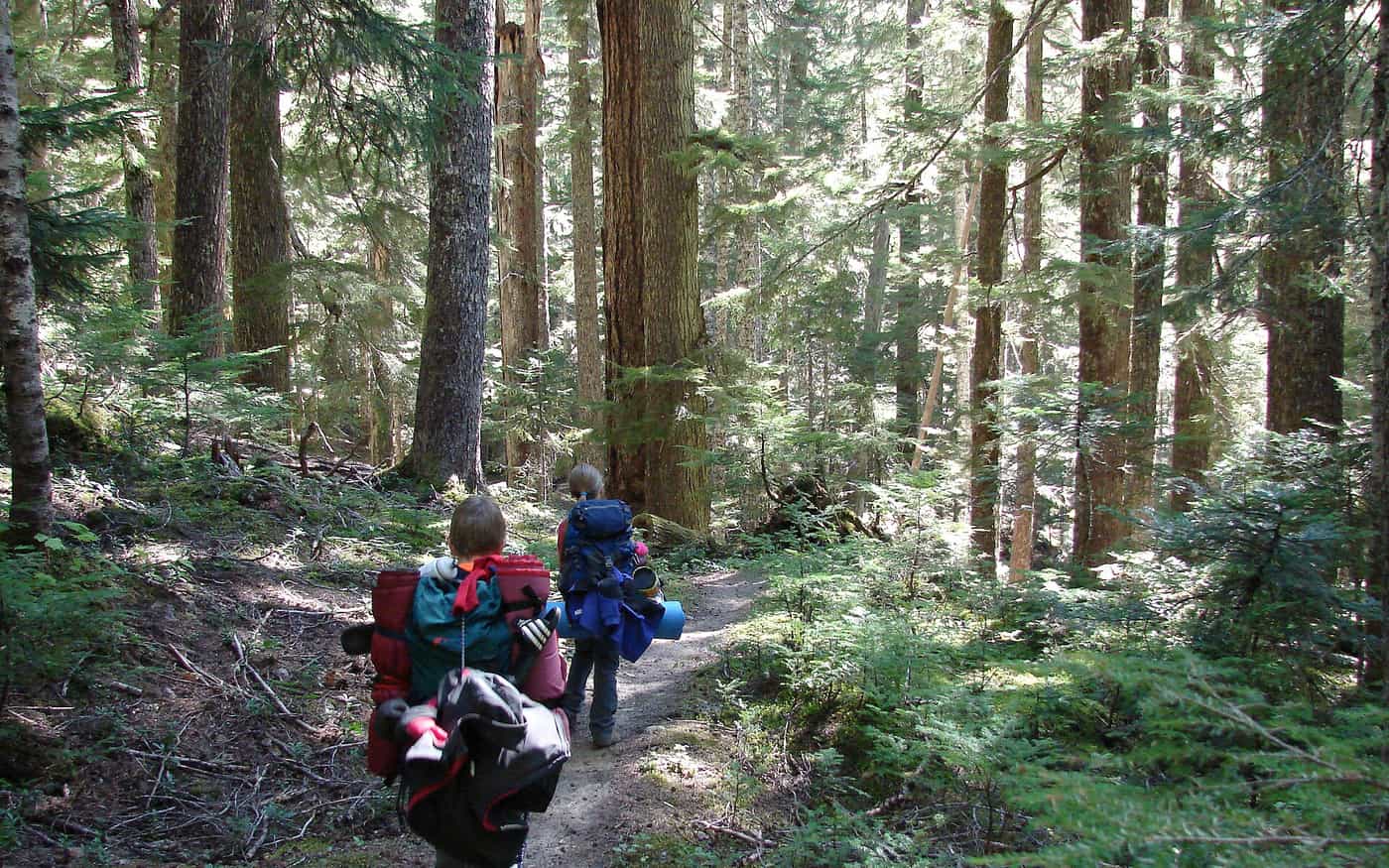
Carrying a child's share as well
65-75 L
You will be carrying two sleeping bags
Volume ranges as used by manufacturers to categorize their own packs.
The temptation is to buy big on the theory that a large pack can be packed light. In practice a large pack gets filled, because empty space is an invitation. A 50 L pack that is full is more comfortable than a 70 L pack that is half full and sagging.
The other half of this category: where gear lives at home
For car camping, the pack question barely arises — you are not carrying anything further than the boot of the car to a pitch thirty feet away. The real problem is different, and it is the one that quietly decides whether a family goes camping twice a year or six times: how long it takes to get out of the door.
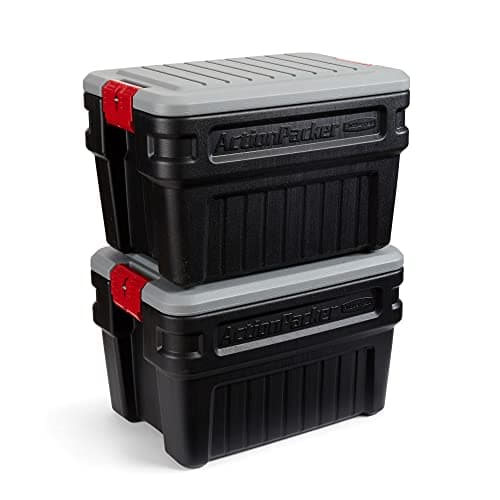
Households that camp often almost always converge on the same system. Gear lives in labeled bins, grouped by system rather than by size — kitchen in one, sleep in another, light and power in a third — and those bins stay packed between trips. The camping trip stops being a two-hour hunt through a garage and becomes a fifteen-minute load. That is the whole trick, and it costs the price of three plastic boxes.
The weather rating language you see on tents does not apply to storage boxes, and a box that claims to be weatherproof is usually describing a gasket in the lid rather than a submersion rating. What matters more for camping is whether the lid sheds water when it sits on wet grass, whether the latches survive being dragged, and whether the box stacks in a car without crushing.
What we do not cover here yet
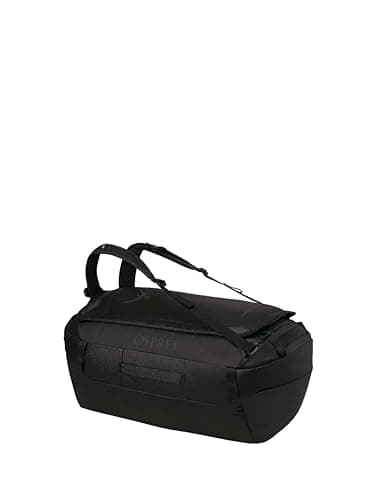
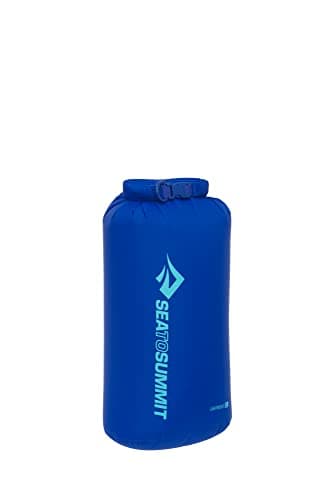
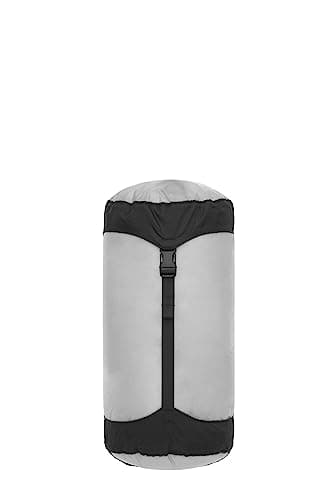
Duffels, dry bags and roof boxes all belong in this category and none of them has a page yet. We would rather publish three pages that answer a real question than eight that pad out a menu. When the duffel page exists it will appear on this hub the day it ships.
Questions people actually ask
QWhat size backpack do I need for a first backpacking trip?
For one or two summer nights, 45 to 55 liters is the usual range. Volume matters less than torso fit: measure from the C7 vertebra at the base of your neck to the top of your hip bones and buy a pack whose published torso range covers that measurement.
QDo I need a backpacking pack for car camping?
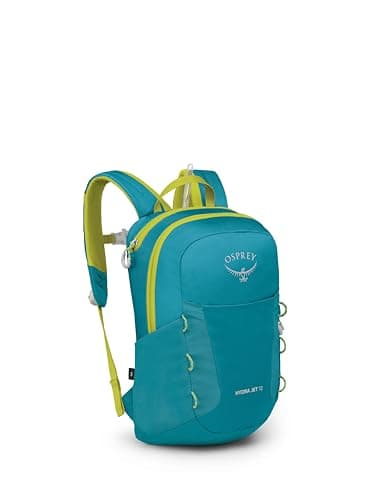
No. For car camping the useful purchase is storage that stays packed between trips, plus a small daypack for walks from the campsite. A large internal-frame pack sits unused in a garage for most car campers.
QHow should a backpack sit on your body?
Roughly 80 percent of the weight should sit on your hips through the hip belt, with the shoulder straps stabilizing the load rather than carrying it. Aching shoulders after an hour usually means the belt is riding too high or the torso length is wrong.