Safety and Water: The Two Things Worth Being Boring About
Most campsite injuries are blisters, small burns and cuts. Most campsite disasters are fires that were left alone. Both are cheap to prevent and awful to improvise.
Start here if…
Building a kit from nothing? Start with first aid kits — a pre-built kit is the fastest way to a complete one. Camping where the tap water is not guaranteed?Water filters covers what the micron ratings mean. Camping with a fire for the first time?Campfire safety basics is the fifteen minutes of reading that keeps the evening uneventful.
The injuries that fill a camping first aid kit are mundane and repetitive: blisters from new boots, small burns from stove and fire, cuts from knives and tent pegs, insect stings, headaches, and upset stomachs. None of them is dramatic. All of them are miserable to deal with at 10pm with a phone torch and no supplies, and all of them are trivial with a kit that cost less than a tank of fuel.
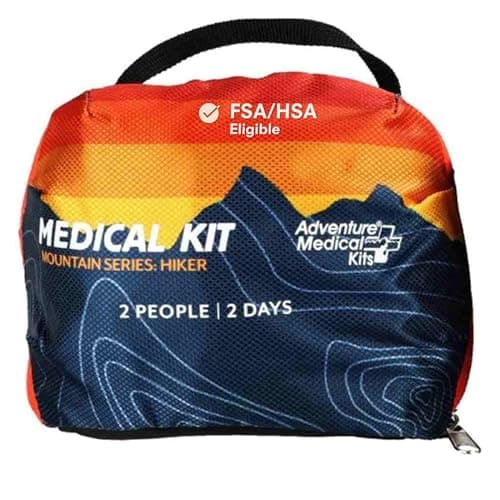
That is the argument for a pre-built kit over assembling your own. Not that a bought kit is better stocked — you can beat any of them by shopping carefully — but that a bought kit is finished. A self-assembled kit is usually missing the one thing you need, because the thing you need is the thing you did not think of. Adventure Medical Kits sizes its Mountain Series by people and days: the Hiker is described as covering two people for one to two days at under 8 oz, which is a genuinely useful way to shop.
Water: know which problem you are solving
Developed campgrounds in the US and UK almost always supply potable water, and for those trips a filter is not a safety item. It becomes one the moment you camp somewhere with a standpipe of unknown provenance, hike beyond the campground, or plan a trip where you cannot carry all your water.
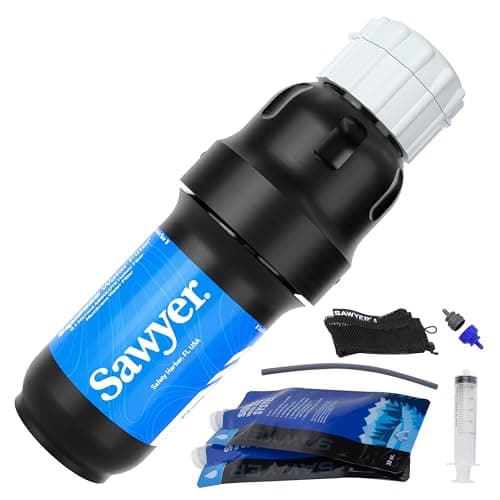
Filters are rated by pore size, and the number tells you what they cannot let through. Sawyer publishes 0.1 micron absolute for the Squeeze, with removal figures of 99.99999% of bacteria and 99.9999% of protozoa. Platypus publishes 0.2 micron for GravityWorks. Both of those ratings cover the two things that make campers ill in North America and Europe — bacteria such as E. coli, and protozoa such as giardia and cryptosporidium. Neither removes viruses, and neither removes dissolved chemicals. For the trips this site is written for, that is the correct trade.
Style
Best when
The catch
Squeeze filter
One or two people, refilling on the move
Slow if you need liters at once
Gravity system
A group in camp, filling for cooking
Bulky, needs somewhere to hang
Bottle filter
Day walks from the campsite
Small capacity, drinks only
Chemical tablets
Backup, weighs nothing
Slow, and leaves a taste
Categories as manufacturers describe them, with the practical limitation of each.
Fire is the part that scales
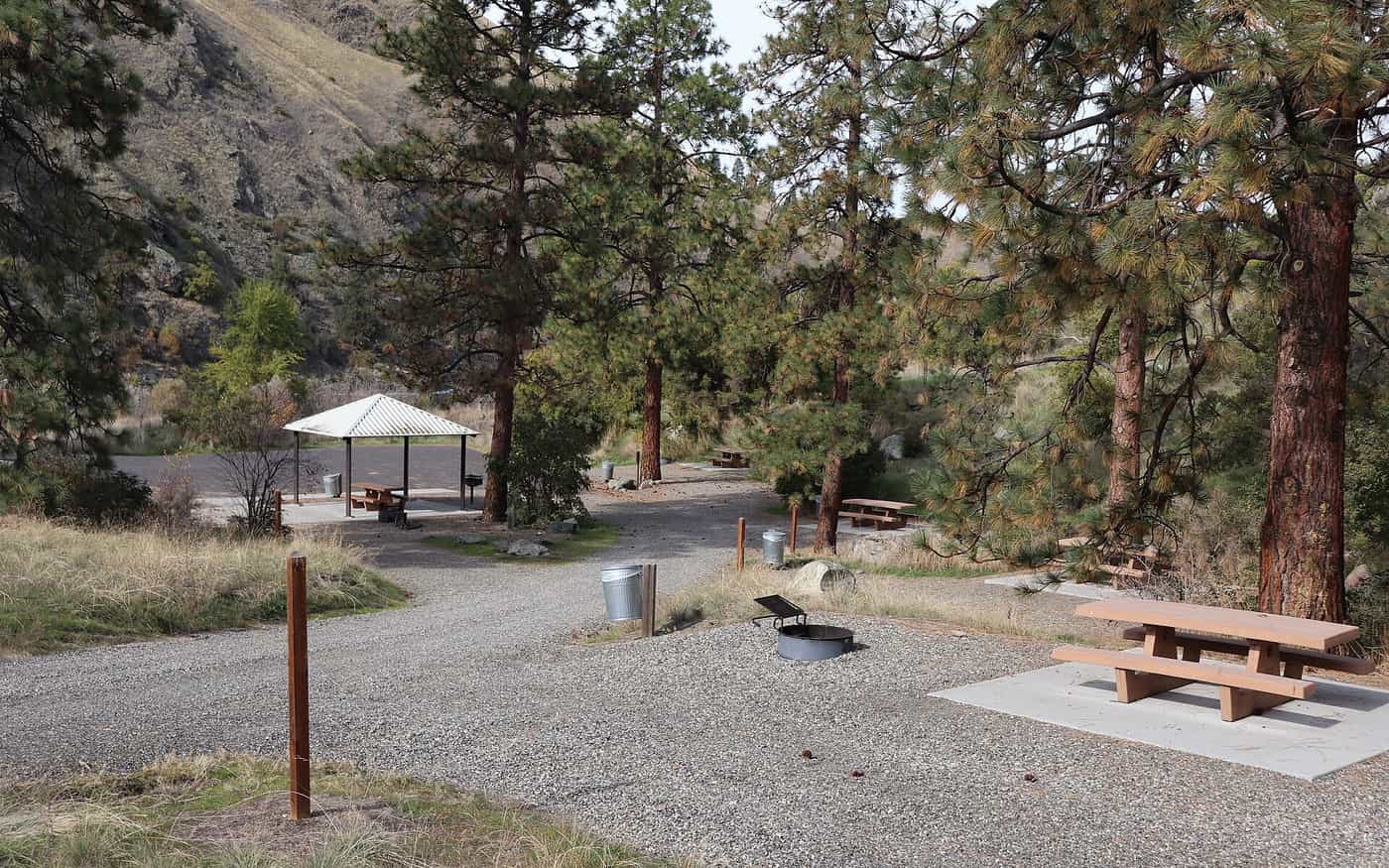
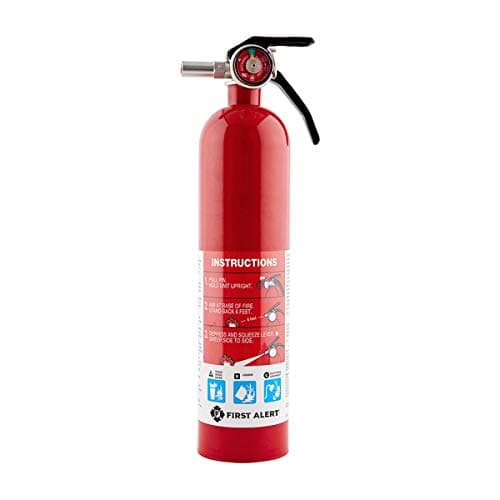
A cut heals. A fire that escapes a fire ring does not stay your problem. Campfire practice is the one area of camping where the rules are not fussiness: keep the fire inside the provided ring, keep it small enough to step over, never leave it while it can still make light, and put it out with water until you can hold your hand over the ashes. Fire bans are common, they change week to week, and checking the current status with the campground or land manager takes one phone call.
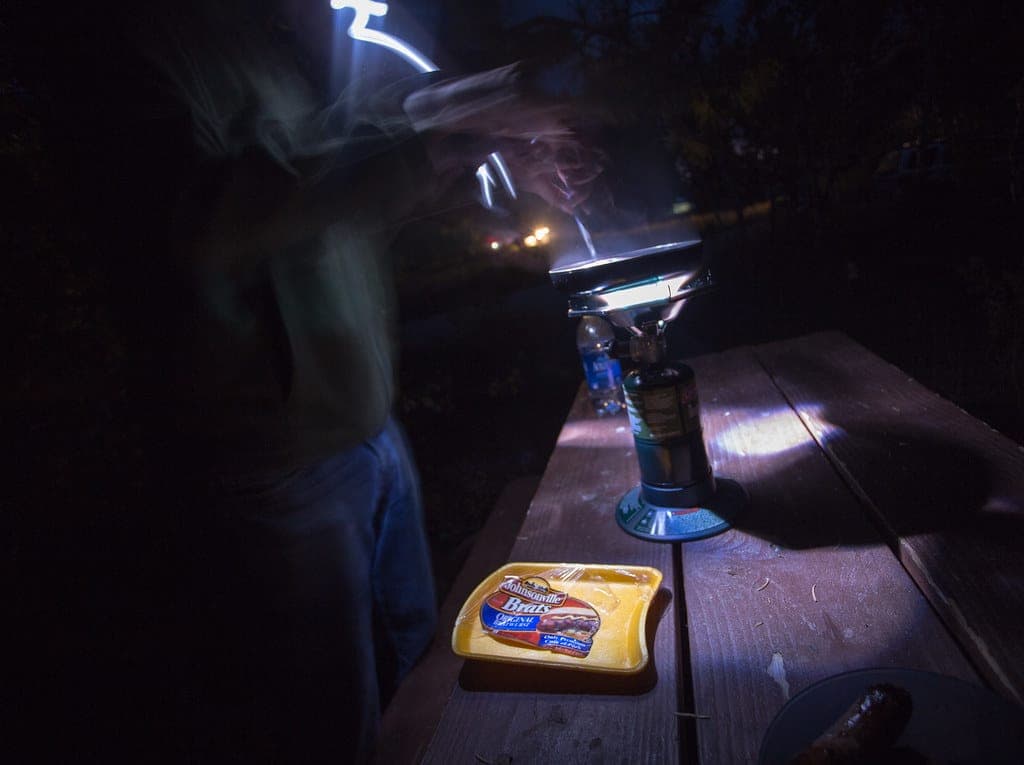
The gear side of this is short. A bucket you can carry water in, a small folding saw rather than an axe, gloves, and a light you can work by. Almost every campfire incident begins with someone doing something in the dark that they would not have done in daylight, which is why the lighting pages belong next to this one.
What this hub deliberately does not do
We do not publish medical advice, dosage guidance, or wilderness first aid instruction. We are not qualified to, and pages that pretend otherwise are a genuine hazard. What we do is compare kits on their published contents and weights, explain what filter ratings promise, and lay out fire practice that campground operators and land managers already publish. For training, take a wilderness first aid course — it is the single best purchase in this category and it is not a product.
Questions people actually ask
QWhat should be in a camping first aid kit?
Blister treatment, adhesive bandages in several sizes, gauze and tape, antiseptic wipes, tweezers or tick forceps, gloves, and any personal medication. Pre-built kits are sized by people and days, which is a more useful way to choose than counting pieces.
QDo I need a water filter for campground camping?
Usually not. Developed campgrounds normally supply potable water. A filter becomes worthwhile when you hike beyond the campground, camp somewhere with untreated supply, or take trips where you cannot carry all your water.
QWhat micron rating do I need for a camping water filter?
0.1 to 0.2 micron covers bacteria and protozoa, which are what make campers ill in North America and Europe. Sawyer publishes 0.1 micron absolute for the Squeeze and Platypus publishes 0.2 micron for GravityWorks. Neither pore size removes viruses.