Campfire Safety Basics: The Fifteen Minutes That Keep the Evening Boring
A cut heals and stays your problem. A fire that leaves the ring does not stay your problem, which is why this is the one area of camping where the rules are not fussiness.
Trail & Tarp earns a commission from qualifying purchases made through links on this page, at no extra cost to you. Full disclosure.
Four rules, and everything else is detail
The short answer
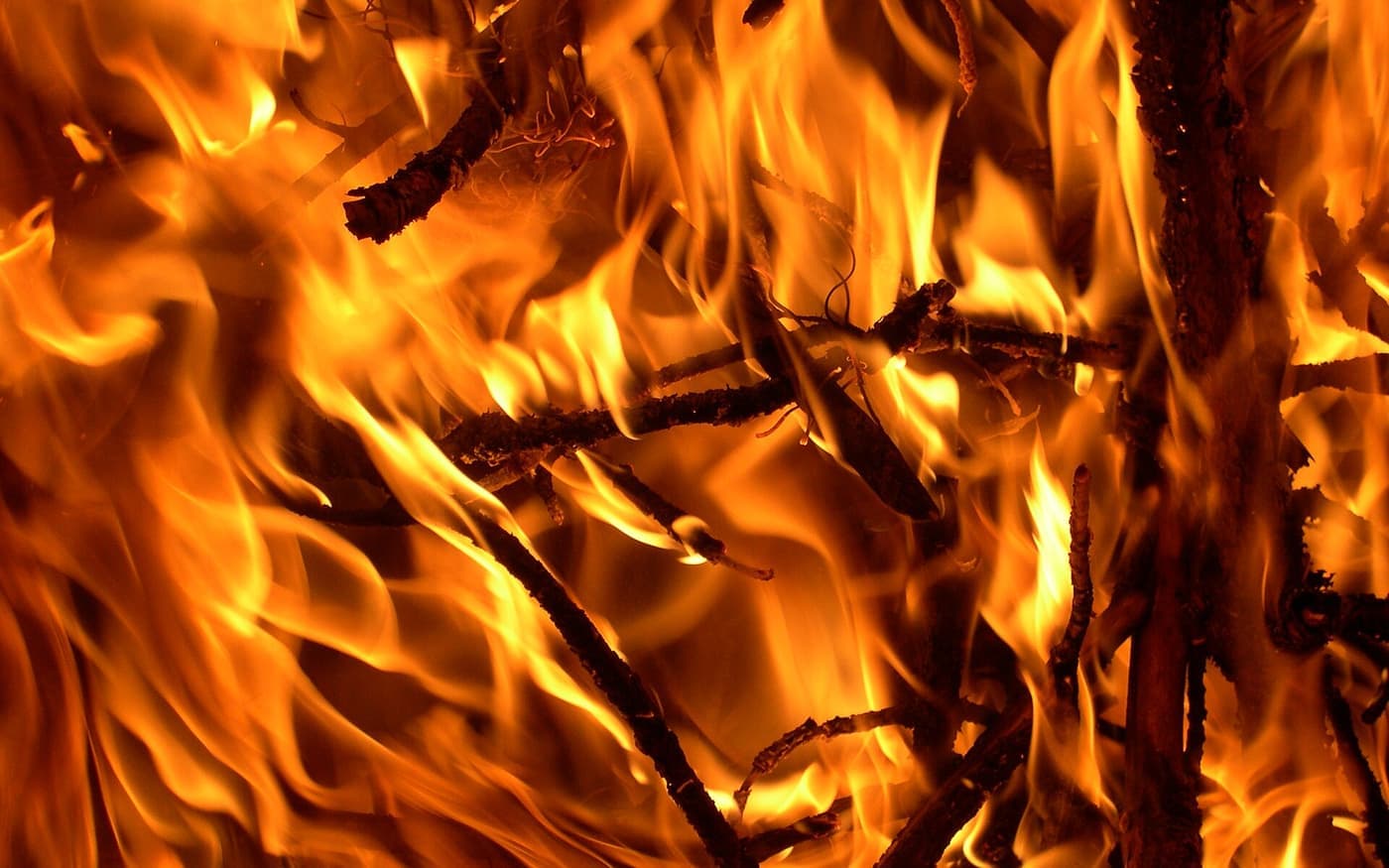
Check whether fires are allowed today. Use the provided ring. Keep it small enough to step over. Drown it, stir it, drown it again, and do not leave until the ashes are cool to the touch. Nearly every campfire that becomes a news story failed at the first or the last of those, and both are free.
1. Check the ban, on the day
Fire restrictions change week to week and sometimes day to day, and they are not intuitive: a green, damp-looking landscape can still be under a total ban because the ground layer is cured. Restrictions typically come in tiers — no open fires but stoves allowed, then no solid fuel at all, then no fire of any kind including charcoal.
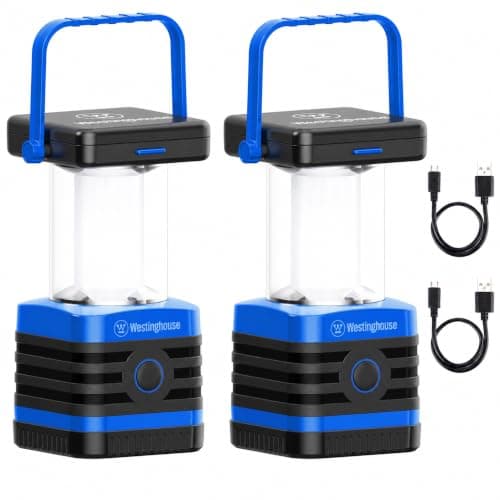
One phone call to the campground or the land manager settles it, and it is worth making on the day you arrive rather than the week you booked. If a ban is in force, the trip still works: a camp stove cooks dinner and a lantern gives you the evening. The fire was the entertainment, not the infrastructure.
2. Where the fire goes
If a ring, grate or fire pit is provided, use it. It exists because someone has already worked out where a fire can burn on that site without setting light to a root system, and the scorched ground is contained to one place instead of spreading across the campground with every new arrival.
Where no ring is provided and fires are permitted, the checklist is short and the consequences of skipping it are long:
Ten feet of clear ground around the fire, scraped down to mineral soil — bare dirt, sand or gravel, not grass, moss or leaf litter.
Nothing overhanging. Look up. Low branches, a tent guy line, a tarp, a drying towel. Heat rises a long way further than flames do.
Not on peat, duff or a root mat. Fire travels underground through peat and deep organic soil, can smolder for days, and can resurface tens of feet away long after you have gone. This is the mechanism behind a surprising number of wildfires.
Upwind of the tents, not up. Sparks land where the wind takes them, and synthetic tent fabric does not tolerate an ember.
Never do this with a fire
No accelerants. Not petrol, not lighter fluid on an established fire, not stove fuel. The vapor ignites, not the liquid, and the flame front travels back to the container in your hand. No fires inside or beside a tent, and no stove inside a tent or a closed vehicle — carbon monoxide from burning fuel is odorless and has killed campers who were only trying to take the chill off. Never burn treated wood, painted timber, or trash, which produce genuinely toxic smoke and leave residue in a ring the next family will cook over.
3. Build it small, and use local wood
A large fire is not warmer where you are sitting, it is just further away. A fire you can step over throws usable heat, uses a fraction of the wood, produces fewer airborne embers, and can be put out in minutes rather than the best part of an hour.
Buy or gather firewood locally. Moving firewood any distance transports insects and disease into forests that have no defense against them, which is why so many parks now prohibit bringing wood in from outside the region. Buy it at the campground, or gather dead and downed wood where that is permitted — never cut standing timber, alive or dead.
Wood
What it is for
Size
Tinder
Catches a flame from a match
Fluff, dry grass, birch bark, cotton wool
Kindling
Carries the flame to fuel
Pencil to thumb thickness
Fuel wood
The fire itself
Wrist thickness and up, split
The three sizes a fire needs. Skipping kindling is the usual reason a fire will not light.
4. Putting it out, which is the part people get wrong
A fire that looks out is very often not out. Ash insulates, and embers underneath a gray surface can stay hot enough to reignite dry material for many hours. The method that works is deliberate and takes about ten minutes:
Stop feeding it early. Let the fire burn down to ash for the last forty-five minutes or so before you want to sleep. Trying to extinguish full logs is what makes this hard.
Drown it. Pour water over everything, not just the flames. Expect steam and a lot of it.
Stir it. With a stick or a shovel, turn the ashes over and scrape the embers off the underside of every remaining piece of wood. This is the step that gets skipped, and it is the one that matters.
Drown it again, and keep going until the hissing stops entirely.
Check with the back of your hand, held just above the ashes. If you can feel heat, it is not out. Repeat.
If you genuinely have no water, dirt is a distant second choice: mix it thoroughly through the ashes rather than burying the fire, because burying it insulates the embers and keeps them alive. Never bury a fire and leave.
The gear this needs, which is almost nothing
A bucket you can carry water in is the entire safety kit, and most campsites do not provide one. A collapsible bucket folds into nothing and lives in the camp bin permanently. Add heavy gloves, a small folding saw rather than an axe — axes cause far more camping injuries than saws — and light you can work by.
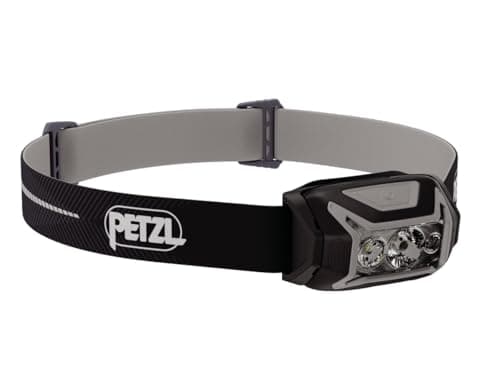
That last one matters more than it sounds. Almost every campfire incident starts with somebody doing something in the dark that they would not have done in daylight: stepping over a fire, reaching across it, moving a log by feel. A headlamp on every person is a fire safety item as much as a convenience one, and the headlamp roundup covers the options.
Children, and the rule that actually works
Telling children to stay away from the fire fails, because the fire is the most interesting thing at the campsite. What works is giving them a defined edge and a job. Mark a circle — a ring of stones a few feet out from the fire ring works — and the rule is that nobody crosses it without an adult. Then let them collect kindling, which puts them near the fire on your terms.
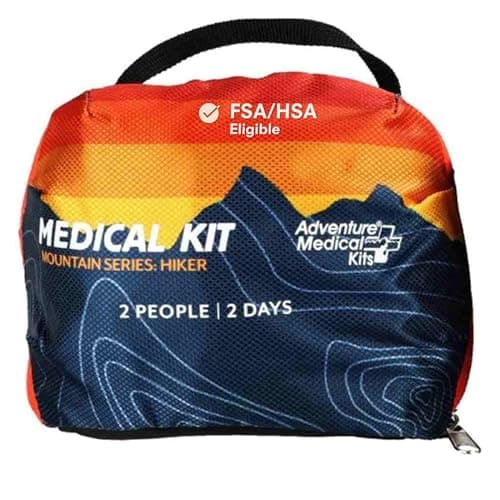
Keep a full water container within arm's reach for burns and treat every one with cool running water for twenty minutes; that is far and away the most common injury the first aid kit deals with at a family campsite. And do not leave a fire, however small, to go and do something else. A fire that is unattended for five minutes is a fire nobody is watching when the wind changes.
The rest of the evening routine — where the chairs go, what to do with food, how to set the site up so nobody is walking through the fire area in the dark — is in how to set up a comfortable campsite.
The gear this page points to
Petzl Actik Core Headlamp
Petzl
A headlamp for everyone is a fire safety item: most campfire incidents start with someone doing something in the dark they would not do in daylight.
Let it burn down to ash, pour water over everything, stir the ashes and scrape embers off every remaining piece of wood, then drown it again until the hissing stops. Check by holding the back of your hand above the ashes. If you feel heat, it is not out.
QHow far should a campfire be from a tent?
Use the provided ring, which is already sited. Where you must choose, clear ten feet of ground down to bare mineral soil around the fire, check nothing overhangs it, and site the fire so that the prevailing wind carries sparks away from tents rather than toward them.
QCan you bring your own firewood to a campsite?
Often not. Moving firewood transports insects and disease into forests, so many parks prohibit wood brought from outside the region. Buy it locally at the campground, or gather dead and downed wood where that is permitted.
QIs it safe to use a camp stove inside a tent?
No. Burning fuel in an enclosed space produces carbon monoxide, which is odorless and has killed campers trying to take the chill off. Cook outside or in a fully open, well ventilated area, and never run a stove or heater in a closed tent or vehicle.
Sources
Every figure on this page comes from a published source. We have not tested this gear, so the numbers are the manufacturer's or the standard body's, not ours. How we research.