Knives and Camp Tools: Three Objects Do Almost Everything
Most people carry too many tools and use one. The trick is working out which one, and then buying a version of it that will still be sharp on Sunday.
Start here if…
Buying one knife for camping?Camping knives covers the three shapes and which suits a campsite. Want one object that does everything?Multi-tools is the honest version of that promise. Something broke last trip?The repair kit page lists the six items that fix almost everything.
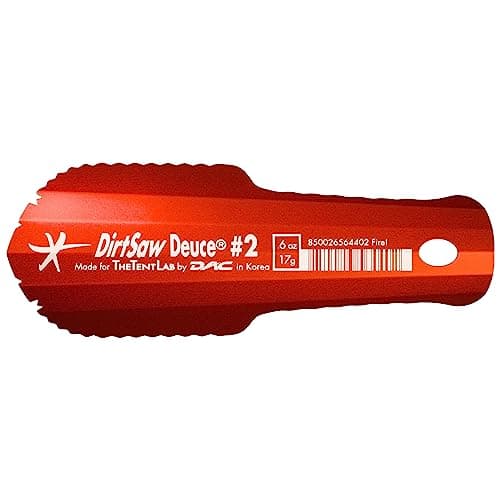
Processing wood, or lighting it?Camping saws makes the case against carrying an axe, axes and hatchets covers the one job a saw cannot do, and firestarters explains why spark and tinder are two purchases. For catholes and snow, see shovels and trowels.
Knife or multi-tool?Knife vs multi-tool comes down to whether anything you brought has a screw in it.
Trail & Tarp earns a commission from qualifying purchases made through links on this page, at no extra cost to you. Full disclosure.
Be honest about the job before buying the tool. Over a typical camping weekend a knife opens packaging, cuts cord, slices food, shaves kindling and occasionally trims a broken guy line. It does not baton firewood, skin game or split logs, whatever the product photography suggests.
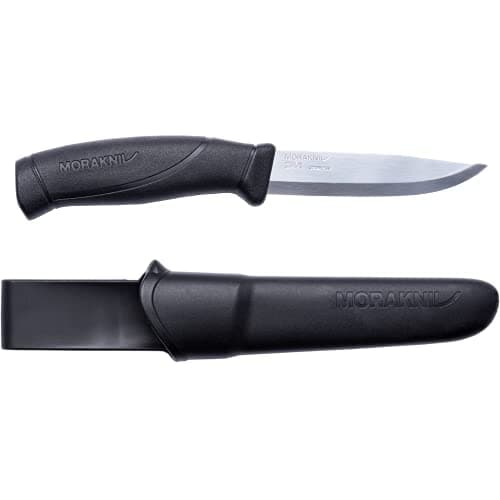
That list argues for a small, sharp, easy-to-clean blade rather than a large one. A 3 to 4 in blade covers all of it comfortably; anything longer is harder to control on food, more intimidating to have around a family site, and heavier for no gain. Morakniv publishes a 4.1 in blade at 3.9 oz with its sheath for the Companion, which is close to the ideal size for a camp knife, and Opinel publishes a 3.35 in blade at 1.6 oz for the No.08, which is close to the ideal for a pocket one.
Shape
Best at
Weakness
Typical weight
Fixed blade
Food prep, cord, kindling; nothing to fold or fail
Needs a sheath; looks like more knife than it is
3-5 oz with sheath
Folding knife
Pocket carry, food, general cutting
Hinge collects grime; needs drying
1-3 oz
Swiss Army knife
Scissors, saw, openers and a blade in one
Every function is a compromise version
2-4 oz
Multi-tool with pliers
Repairs, stove and pack fixes, wire
Heavy; a poor food knife
5-9 oz
The four shapes a beginner will meet, and what each is genuinely for.
Multi-tools solve a different problem from knives
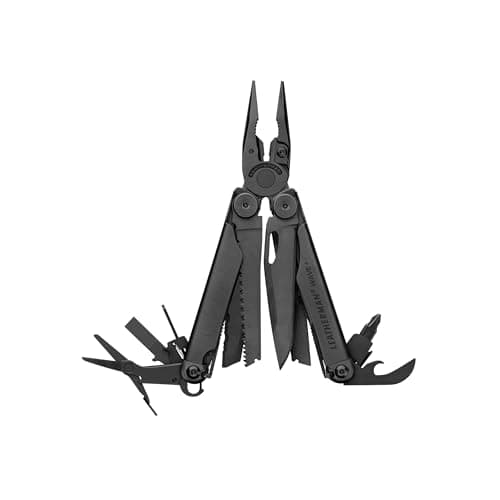
A multi-tool is not a knife with extras. It is a pair of pliers with a knife attached, and the pliers are the reason to carry one. Pliers fix the things that actually break at a campsite: a bent tent stake, a jammed zipper slider, a stove regulator that will not seat, a pot handle rivet, a broken pack buckle.
The trade is weight. Leatherman publishes 8.5 oz for the Wave+ and 5 oz for the Skeletool CX; a fixed-blade camp knife is 3.9 oz. If you carry both, you are carrying most of a pound of steel, which is fine in a car and questionable in a pack. The comparison is in best multi-tools for camping.
Saws beat axes for almost everybody
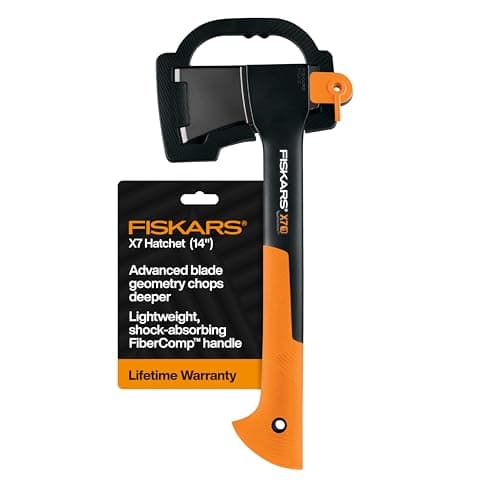
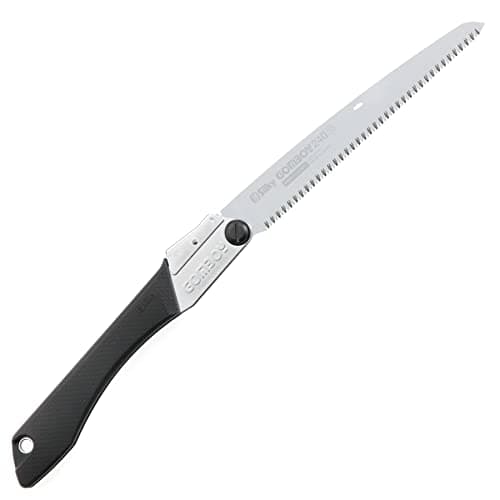
A folding saw cuts wood faster, more safely and more quietly than a hatchet, weighs less, and is far harder to injure yourself with. Axes are better at splitting, and splitting is something most campers never need to do because they buy firewood already split.
There is also a rule that matters more than either: in most of North America you must not move firewood between areas, because it spreads invasive insects and disease. Buy it locally or gather dead and downed wood where that is permitted. That constraint, more than the tool choice, decides what your fire looks like. The reasoning is in how to choose a camp saw or axe and the fire practice in campfire safety basics.
The repair kit is the part nobody plans
Ask any group what ended a trip early and it is rarely a dramatic failure. It is a snapped tent pole, a zipper that separated, an air pad with a hole, a boot sole peeling off. Every one of those is a five-minute fix with the right small item and a trip-ender without it.
Six items cover most of it: a pole repair splint, strong tape, a needle and heavy thread, a few spare buckles and cord, adhesive patches for pads and tents, and zip ties. Together they weigh a few ounces and cost less than one replacement item. The full list, and what each one actually fixes, is in camp gear repair kit essentials.
A blunt knife is the dangerous one
The single most useful habit in this whole section is keeping an edge. A sharp knife cuts where you point it with light pressure; a blunt one skids off and needs force, which is how people get cut. Carbon steel takes a keener edge and rusts if left wet; stainless is more forgiving and slightly harder to sharpen. Both need drying and occasional attention.
Field sharpening is a five-minute skill with a small stone or a pocket sharpener, and it is in how to sharpen a knife at camp. Also worth knowing before you buy: knife carry is regulated differently by state, by county and by land manager, and a fixed blade that is unremarkable at one campground can be a problem at another. Check the rules where you are going; we do not publish legal advice.
Questions people actually ask
QWhat size knife do I need for camping?
A 3 to 4 in blade covers everything a camper actually does: opening packaging, cutting cord, food prep and shaving kindling. Morakniv publishes 4.1 in for the Companion and Opinel publishes 3.35 in for the No.08. Longer blades are harder to control on food and heavier for no gain.
QIs a multi-tool better than a knife for camping?
It solves a different problem. A multi-tool is really a pair of pliers with a blade attached, and the pliers fix bent stakes, jammed zippers and stove fittings. It is a poor food knife, so many people carry a light knife and a multi-tool in the car.
QDo I need an axe for camping?
Almost certainly not. A folding saw cuts faster, weighs less and is far safer, and most campers buy firewood already split. In much of North America you also must not transport firewood between areas because it spreads invasive pests.