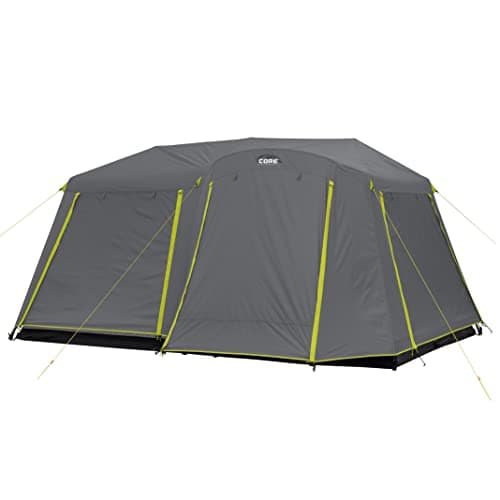
CORE 9 Person Instant Cabin Tent
CORE Equipment
14 x 9 ft and pitched from two minutes: the two things that matter most when you arrive with tired children.
$429.99 · Check price on Amazon
#ad how this is funded · price as of October 23, 2026
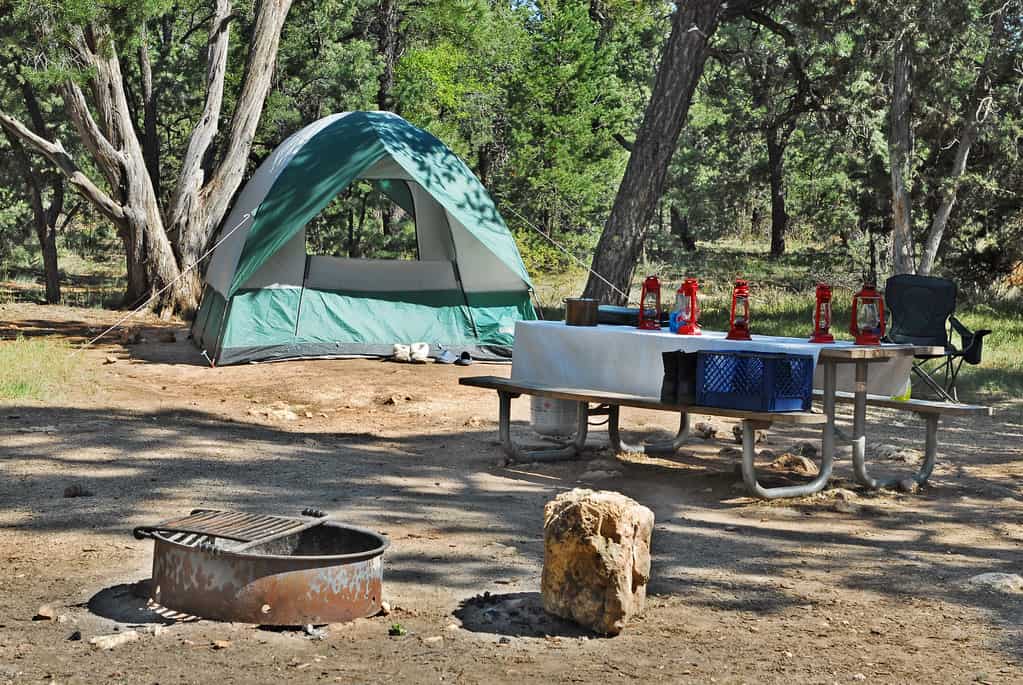
Children do not need special camping gear so much as a different plan. Here is what actually changes, starting with the two things that decide whether anyone sleeps.
Trail & Tarp earns a commission from qualifying purchases made through links on this page, at no extra cost to you. Full disclosure.
The short answer
Warmth at night and space in the tent. Children lose heat faster than adults and are worse at reporting it until they are already miserable, so they need a pad with real R-value under them and a bag that is not enormously oversized. And a tent needs 20 to 25 square feet per person, which for a family of four means a tent sold as a 6-person, not a 4-person.
Almost everything else — the food, the activities, the weather — is recoverable. A cold child at 2am is not, and it is the single most common reason a family does not go camping twice.
Tent capacity ratings assume adults lying shoulder to shoulder with no gear. CORE Equipment publishes both figures for its own tents: its 14 by 9 ft model is listed as “9 (industry standard) / 4 + gear (most comfortable)”. Take the number on the box, subtract two, and that is your family size.
| Family | Tent sold as | Floor to look for | Why |
|---|---|---|---|
| 2 adults + 1 small child | 4 to 6 person | 63-85 sq ft | Room for a travel cot or a third pad |
| 2 adults + 2 children | 6 person | 85-100 sq ft | About 21-25 sq ft each, with space for bags |
| 2 adults + 3 or more | 8 to 9 person cabin | 120+ sq ft | A room divider becomes genuinely useful |
Height matters as much as floor. A cabin tent with near-vertical walls and a 78 in center height gives you a space you can change a toddler standing up in; a dome with a 72 in peak gives you that only in the exact middle. Full math in what size tent do I need, and the tents themselves in best family camping tents.
If a child was cold last time, work through why you get cold in a sleeping bag before spending money. The fix is usually free.
Give every child their own headlamp
It is the cheapest thing on this page and it changes their experience completely: they can move around after dark independently, find their own bag, and stop being dependent on an adult with the only light. A cheap one is fine, and teach the red-light mode — it preserves night vision and does not blind everyone in the tent. See best headlamps for camping.
It will be later than at home and that is fine. What helps: keep the routine, even compressed — teeth, story, bed, in the same order. A dim lantern in the tent instead of a bright one. And accept that the first night is usually broken, because everything is new and every noise is unidentified. The second night is normally fine, which is a good argument for two nights rather than one once you have done it before.
Everything to pack is in the family camping checklist, and the general trip mechanics are in the car camping guide.
CORE Equipment
14 x 9 ft and pitched from two minutes: the two things that matter most when you arrive with tired children.
#ad how this is funded · price as of October 23, 2026
Coleman
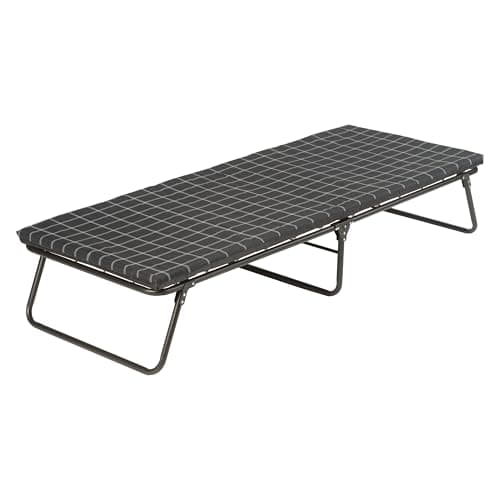
80 x 30 in with a foam pad included, for the adult who cannot face getting up off the floor at 3am.
#ad how this is funded · price as of October 23, 2026
Coleman
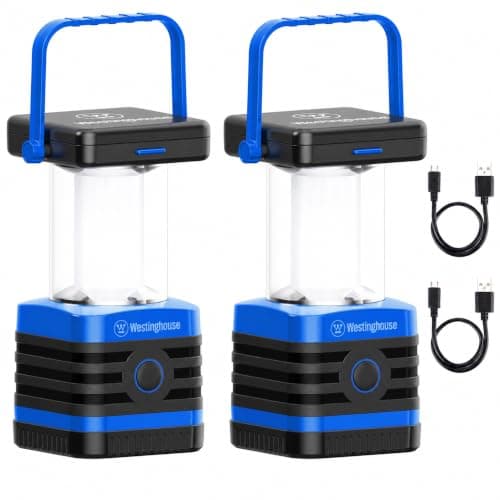
1,000 lumens on high and 50 on low, so the site is lit for setup and gently lit afterward.
#ad how this is funded · price as of October 23, 2026
A tent sold as a 6-person, with 85 to 100 square feet of floor, which gives four people 21 to 25 square feet each plus room for bags. A 4-person tent leaves a family of four about 14 square feet each with nowhere to put anything.
Put them on a sleeping pad with a real R-value rather than a thin foam mat, use a bag that fits rather than an oversized hand-me-down, add a hat and dry sleeping socks, and make sure they go to bed already warm.
There is no fixed age, and families camp with babies. What changes with younger children is the margin for error: sleep, warmth and food need to be handled deliberately, and a one-night trip close to home is the sensible way to find out how yours cope.
Give them jobs during setup, bring a hammock, and let them have their own headlamp so they can move around after dark independently. Boredom at a campsite is usually a symptom of children being kept out of the way rather than involved.
Every figure on this page comes from a published source. We have not tested this gear, so the numbers are the manufacturer's or the standard body's, not ours. How we research.