Skip to content
Trail & Tarp

Checklists

The Family Camping Checklist, Grouped and Printable

Every item here earns its place, and each group says why those things and not others. Print it, or work down it on your phone while you load the car.

By Sawyer V.Published September 3, 2026Last updated September 3, 2026How we research
Camping supplies packed and ready to load

Trail & Tarp earns a commission from qualifying purchases made through links on this page, at no extra cost to you. Full disclosure.

Quick picks

#ProductBest forPrice
1
No photo

The shelter to buy

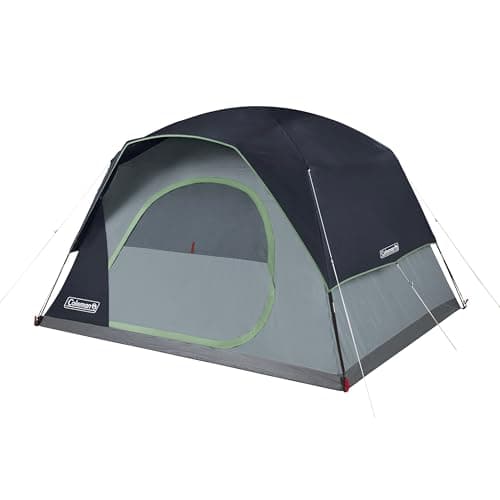
Coleman Skydome 6-Person Tent

85 square feet and 6 ft of standing height at about 16.8 lb.

A family of four
2
No photo

The sleep item to buy well

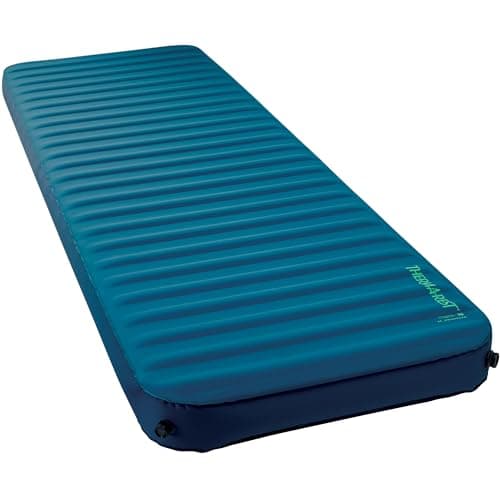
Therm-a-Rest MondoKing 3D

R-value 7.0 and 4.25 in thick, so nobody is cold from the ground.

Anyone camping outside high summer
3
No photo

The light to buy

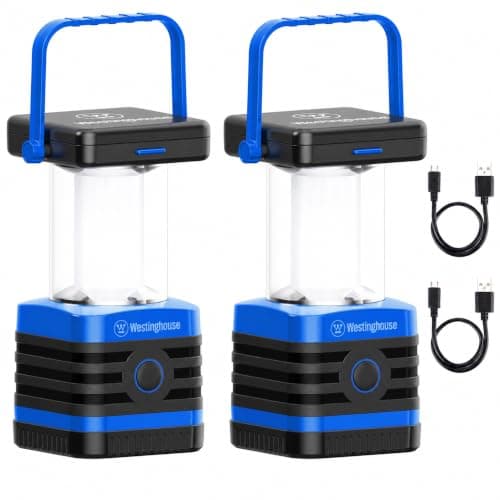
Coleman OneSource 1000-Lumen Rechargeable Lantern

1,000 lumens on high, and up to 100 hours on its 50 lumen low setting.

Lighting the cooking and eating area

What to pack for family camping

The short answer

Six groups: shelter, sleep, kitchen, light and power, clothing, and safety. Pack by group into separate bins, and never unpack a bin completely at home. The bins are the trick. A kitchen box that stays packed between trips means you cannot forget the can opener, because it never left.

Shelter

Why: the stakes and mallet are the parts that get left behind, because they live in a separate bag. Keep them inside the tent bag. A tarp over the table is what turns a wet weekend from a disaster into an inconvenience.

Sleep

Why: this group is where trips fail. Body weight crushes the insulation under a sleeping bag, so warmth comes from the pad. An airbed with no insulation on top of it is the coldest option there is — see air mattress vs pad vs cot.

Kitchen

Why: the two water containers are the item most often missing and most often regretted. The full layout is in the camp kitchen setup guide, and keeping the cooler cold is in how to keep food cold camping.

Light and power

Why: lanterns are for staying still and headlamps are for moving. Sharing one light means somebody is always standing in the dark, which with children lasts about four minutes before it becomes a problem.

Clothing, per person

Why: the sleep-only clothing rule is the cheapest warmth upgrade there is. Clothes worn all day are slightly damp by evening, and damp clothing in a sleeping bag makes you cold.

Safety and the boring essentials

The five things people actually forget

  1. The second water container.
  2. The mallet, because it lives somewhere separate from the tent.
  3. Enough fuel. Take a spare cylinder; it keeps.
  4. A hat and dry socks for sleeping.
  5. Trash bags. Every campground trip generates more rubbish than expected.

Load it in reverse order of use

Tent, mallet and headlamps on top and reachable. Kitchen box and water in the middle. Chairs, table and day-two clothing deep in the trunk. The cooler travels in the cabin, not in a hot trunk. The full arrival sequence is in the car camping guide, and if this is a trip with children, read family camping with kids first.

The picks in full

1. The shelter to buy

Coleman Skydome 6-Person Tent

Coleman

85 square feet and 6 ft of standing height at about 16.8 lb.

Sized for four people at roughly 21 square feet each, with enough height to stand up in. Alternatives and the sizing math are in best family camping tents.

The drawback

8 ft 6 in wide, so two queen airbeds fill it with almost nothing to spare.
No product photo: we don't take our own

Published specs

Floor
10 ft x 8 ft 6 in (85 sq ft)
Center height
6 ft
Weight
about 16.8 lb
Airbeds
fits 2 queen
Setup
under 5 minutes

Specs: Coleman Skydome 6-Person product page

2. The sleep item to buy well

Therm-a-Rest MondoKing 3D

Therm-a-Rest

R-value 7.0 and 4.25 in thick, so nobody is cold from the ground.

The pad, not the sleeping bag, is what keeps people warm at night. If you buy one thing properly on this list, buy this — the reasoning is in R-value explained.

The drawback

4 lb 6 oz each and bulky, and a family needs one per person.

No product photo: we don't take our own

Published specs

R-value
7.0
Thickness
4.25 in
Size (large)
77 x 25 in
Weight (large)
4 lb 6 oz
Type
self-inflating

Specs: Cascade Designs (Therm-a-Rest) product page

3. The light to buy

Coleman OneSource 1000-Lumen Rechargeable Lantern

Coleman

1,000 lumens on high, and up to 100 hours on its 50 lumen low setting.

One bright lantern for the shared area, one small light per tent, one headlamp per person. That is the whole lighting plan — see best camping lanterns.

The drawback

Two hours at full output, so the bright setting is for setting up, not all evening.

No product photo: we don't take our own

Published specs

Output
1,000 lm high / 50 lm low
Runtime
2 h high, up to 100 h low
Battery
4,800 mAh lithium-ion
Water resistance
IPX4

Specs: Coleman OneSource lantern published specs

Questions people actually ask

QWhat do you need for family camping?

Six groups: shelter (tent, stakes, mallet, tarp), sleep (a pad and bag per person), kitchen (stove, fuel, cooler, two water containers, cookware, wash kit), light and power (a lantern, a tent light, a headlamp each), clothing including dry sleep layers, and a first aid and safety kit.

QWhat do people forget most when camping?

The second water container, the mallet, enough spare fuel, dry sleeping socks and a hat, and trash bags. All five are cheap, all five are annoying to be without, and all five are easy to fix by packing kitchen and shelter gear into bins that stay packed.

QIs there a printable family camping checklist?

This page is formatted to print cleanly: use your browser's print function and the navigation, footer and images are removed automatically, leaving the grouped list.

QHow much clothing should kids bring camping?

Two full changes per day, plus a warm evening layer and a rain jacket regardless of the forecast. Children get wet, and a spare set that stays dry is what keeps an afternoon from ending the trip.

How we picked

Everyone else in this category will tell you they tested twenty of these. We have not tested any of them, and we would rather say so than pretend. There is no gear closet here and no test lab.

What we did instead: pulled the published specifications from each manufacturer's own spec sheet or manual, named the standard behind every rating so you can check what it actually promises, did the arithmetic that turns a spec into a decision, and pulled today's real retail price rather than quoting one from memory. Every pick states a drawback, because a list where nothing is wrong with anything is an advert.

The limits of that method, stated plainly: published specs do not capture zipper quality, seam durability, or how a tent behaves at 2am in a storm. Where that matters, we say so on the pick. The full method is here.

Sources for this page