Guide
Is Expensive Camping Gear Worth It? Category by Category
Which camping categories reward spending more, which flatten out immediately, and how to allocate a fixed budget.
Gear category
Every other hub on this site answers what to buy. This one answers the questions that come before that: how much to spend, whose name to trust, and whether to buy it new at all.

Wondering whether the expensive one is worth it? Is expensive camping gear worth it goes category by category and says where the money lands. Do not know one brand from another? Camping gear brands for beginners explains what each name is actually good at. Trying to kit out cheaply? Buying used camping gear is the fastest way to a full kit for a fraction of the money, if you know what not to buy. Kitting out a child? Camping gear for kids puts the four things that decide their night in the order worth buying them.
Buying for someone else, or for a dog? Camping gifts avoids everything that has to fit a body, and camping gear for dogs starts with getting them off cold ground.
Buying for a specific group? Gear for couples, for older campers, for solo campers, and on a budget each start from a different constraint.
Shopping for a gift, with a budget in mind? Stocking stuffers under $25 sticks to consumables and spares, camping gifts under $50 is the band where gear stops being disposable, and camping gifts for men picks upgrades to things he already owns. None of the three repeats a product from the others.
Trail & Tarp earns a commission from qualifying purchases made through links on this page, at no extra cost to you. Full disclosure.
Guide
Which camping categories reward spending more, which flatten out immediately, and how to allocate a fixed budget.
Guide
What to buy secondhand, what to avoid, and the inspection checks that catch the failures you cannot see.
Gear on this page
Therm-a-Rest Z Lite Sol
#ad how this is funded · price as of October 23, 2026
Guide
What each camping brand is actually good at, so you know when a cheap option is fine and when it is a false economy.
Gear on this page
CORE 9 Person Instant Cabin Tent
#ad how this is funded · price as of October 23, 2026
Guide
Item-by-item storage rules, the end-of-season routine, and why a garage is the worst place for most of it.
Gear on this page
Rubbermaid ActionPacker 24 Gal
#ad how this is funded · price as of October 23, 2026

Guide
The purchases that go unused, the gadgets not worth the space, and where the same money actually changes a trip.
Gear on this page
GSI Outdoors Pinnacle Ceramic Camper
#ad how this is funded · price as of October 23, 2026
Picks
Kids' camping gear ranked by what actually decides the night, with published specs and a stated drawback on every pick.
Buy this first: the pad that keeps them warm
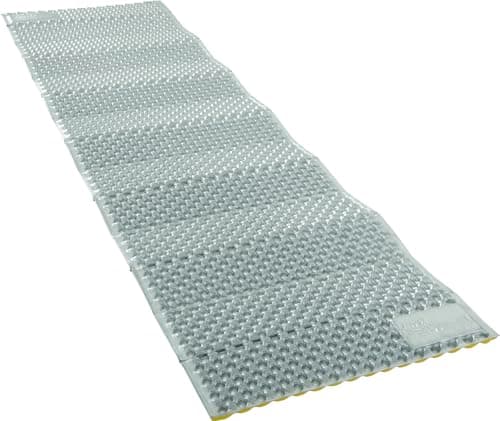
Therm-a-Rest Z Lite Sol
#ad how this is funded · price as of October 23, 2026
Guide
Camping gift ideas sorted by recipient, avoiding the fit-dependent categories that make outdoor gear risky to buy.
Gear on this page
Black Diamond Spot 400 Headlamp
#ad how this is funded · price as of October 23, 2026
Picks
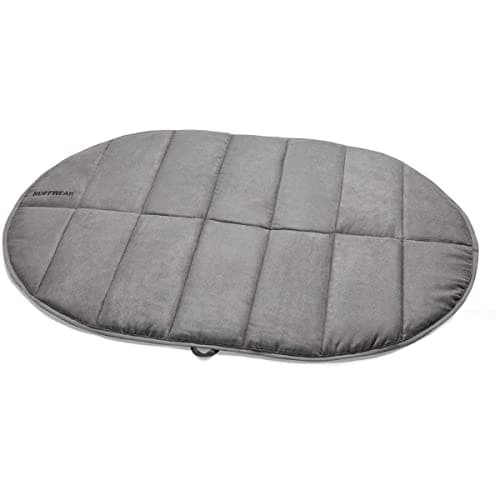
Dog camping gear compared on published sizing and insulation, focused on sleep, control and safety at a site.
Best overall
Ruffwear Highlands Dog Pad
#ad how this is funded · price as of October 23, 2026
Picks
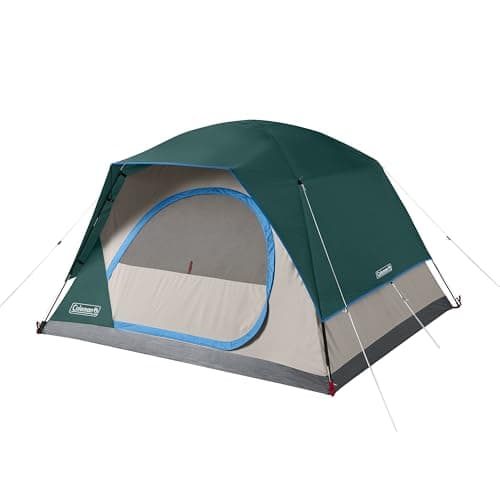
Gear for two compared on published size and capacity, with what to share and what to keep separate.
Best tent for two
Coleman Skydome 4-Person Tent
#ad how this is funded · price as of October 23, 2026
Picks
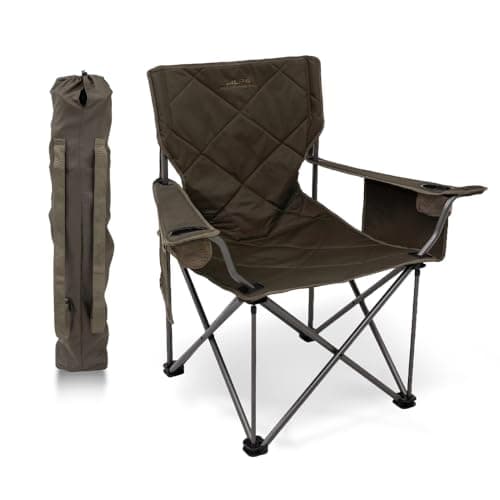
Gear for older campers compared on published seat height, thickness and capacity, built around getting up.
Best chair
ALPS Mountaineering King Kong Chair
#ad how this is funded · price as of October 23, 2026
Picks
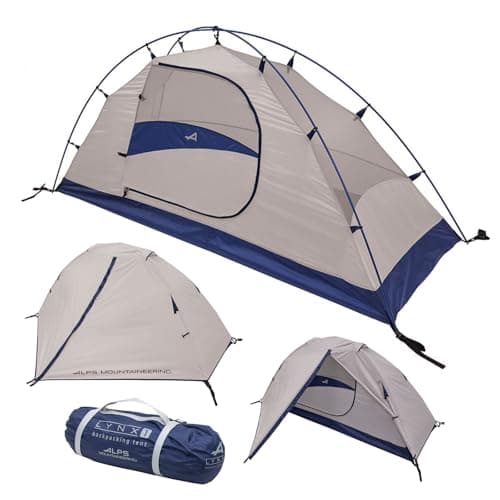
Solo camping gear compared on published weight and size, plus the safety items a group made optional.
Best solo tent
ALPS Mountaineering Lynx 2 Tent
#ad how this is funded · price as of October 23, 2026
Picks
A budget camping kit from published specs: what to spend on, what to buy cheap, and what to skip.
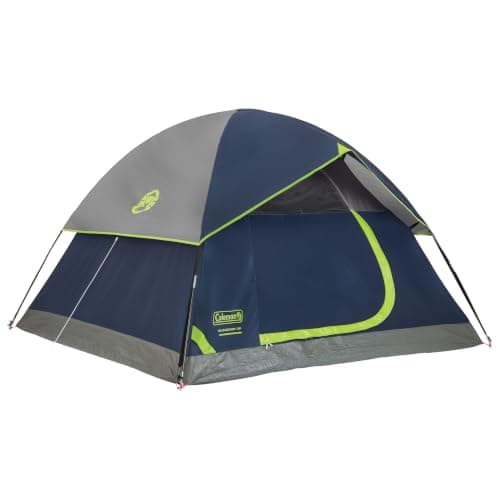
Best budget tent
Coleman Sundome 3-Person Tent
#ad how this is funded · price as of October 23, 2026
Picks
Gear for a family of four compared on published capacity and size, with what to buy once and bigger versus one each.
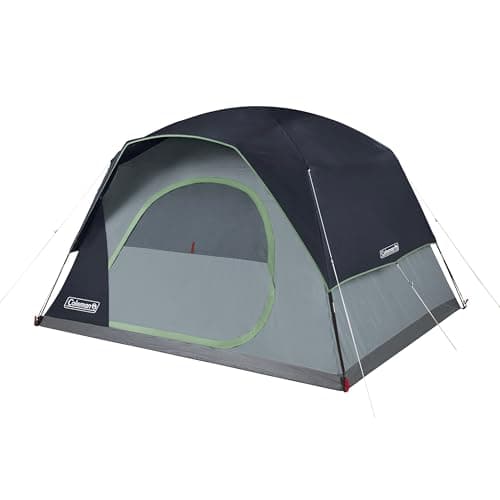
Best family tent, and the size rule that matters
Coleman Skydome 6-Person Tent
#ad how this is funded · price as of October 23, 2026
Picks
Ten camping stocking stuffers under $25, picked on published specs, with the rule that separates a used gift from a stored one.
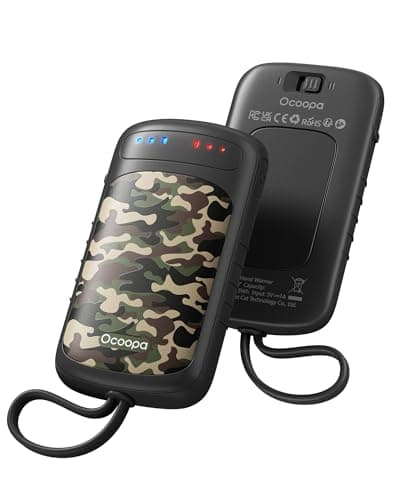
Best overall
OCOOPA UT5 Duoheat Rechargeable Hand Warmers, 2-Pack
#ad how this is funded · price as of October 23, 2026
Picks
Ten camping gifts in the $25 to $50 band, each the lasting version of something they already own a cheap one of.
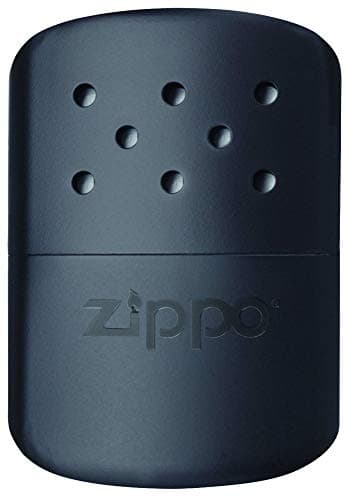
Best overall
Zippo 12-Hour Hand Warmer
#ad how this is funded · price as of October 23, 2026

Picks
Ten camping gifts for men, each the upgrade to a specific object he already owns a worse version of, on published specs.
Best overall
Victorinox Huntsman Swiss Army Knife
#ad how this is funded · price as of October 23, 2026
A first camping shop is unlike almost any other. You are buying eight or ten things at once, in categories you have never bought in before, from brands you have never heard of, at prices that range over a factor of ten for what looks like the same object. Every product page you land on is written for someone who already knows the vocabulary, and every “best of” list assumes you have a budget line for one item rather than a fixed total for the whole kit.
The pages in this hub sit one level above the gear categories. They do not tell you which tent to buy — the tents hub does that. They tell you how to allocate a fixed budget across a whole kit, whose logo means what, and when a used item is a bargain rather than somebody else's failure being passed along.
The single most useful thing to internalize before spending anything: the relationship between price and performance is wildly different from category to category. In sleeping pads it is close to linear, because insulation value is a measured number and warmer pads genuinely cost more. In camp chairs it flattens almost immediately — a chair three times the price is not three times more comfortable, it is lighter and better sewn. In stoves it is nearly flat for car camping and steep for backpacking, where every ounce is engineered out at cost.
| Category | Does spending more help? | Why |
|---|---|---|
| Sleeping pad | Yes, a lot | R-value is measured and buys real warmth |
| Sleeping bag | Yes, up to a point | Down costs more, packs smaller, lasts longer |
| Tent | Some | Fly coverage, poles and seams; capacity is free |
| Headlamp | A little | Regulated output and runtime, not peak lumens |
| Camp chair | Barely | Weight and stitching, not comfort |
| Cooler | Yes, for long trips | Insulation thickness and gasket seal |
| Cookware | Barely | A cheap pot boils water identically |
That table is the whole thesis of this hub in miniature. A beginner with a fixed total should spend disproportionately on the sleep system and the cooler, take the mid-priced tent, and buy the cheapest acceptable version of everything else. The reason is covered at length in the spending guide, and the arithmetic behind the sleep half of it is in R-value explained.
Outdoor brands are not arranged on a single quality ladder. They are arranged by what they are for. Coleman and CORE build big, heavy, cheap family shelters that are excellent at car camping and useless on a trail. Kelty and ALPS Mountaineering occupy the space where backpacking gear becomes affordable. Therm-a-Rest and Sea to Summit make the components that other people's systems get judged against. Darn Tough and Smartwool sell one category each and guarantee it.
Knowing that map is worth more than knowing which brand is “best”, because it tells you when a cheap option is fine and when it is a false economy. A camp lantern and a power station are not competing for the same money or the same job; two sleeping bags at opposite ends of the price range usually are. The brand guide lays out who does what.
The reason most people give up on camping is not that the gear was bad. It is that outfitting a household costs several hundred dollars before the first night out, so the first night out never happens. Secondhand gear collapses that number, and camping gear is unusually good to buy used: it is built to survive weather, it is used a handful of nights a year, and most of it is sold by people who camped twice and stopped.
It is also the category where a bad buy is most obvious in hindsight. Down loses loft. Polyurethane tent coatings hydrolyze and go sticky. Air pads develop pinhole leaks that only show up at 2am. There is a short list of things to buy used without hesitation, a shorter list to never buy used, and about five minutes of checks that separate them — all of it in the used gear guide.
It will not print a number and call it a budget. Prices move, sales happen, and the same tent costs different money in March and July, so a hardcoded figure would be wrong within a month and misleading forever. Where a price matters it is checked live at the retailer. It also will not rank brands against each other on quality we have not measured — we have not tested any of this gear, which is stated plainly in how we research, and a brand ranking dressed up as fact would be exactly the kind of invented authority this site exists to avoid.
What it will do is give you the shape of the decision before you start clicking: which categories deserve the money, which names to search for, and which items to hunt for secondhand. If you have not bought anything yet, start here first — it sequences the whole kit — and come back to these pages when you are deciding how much of your total to put where.
There is no single figure, and any site that prints one is guessing. The useful rule is allocation rather than total: put most of the budget into the sleeping pad and bag, take a mid-priced tent, and buy the cheapest acceptable chair, table, lantern and cookware. Sleep quality decides whether you go again.
Tents, camp chairs, tables, coolers, stoves, cookware, lanterns and storage bins are all safe secondhand buys with a quick inspection. Down sleeping bags, air pads and anything with a hydrolyzed sticky coating are the risky ones.
It depends on the trip, not on a quality ranking. Coleman, CORE and Eureka dominate affordable car camping shelters; Kelty and ALPS Mountaineering make entry-level backpacking gear; Therm-a-Rest, Sea to Summit and Osprey sit at the component end. Each is good at a different job.