Camping Gear You Do Not Need, and What to Buy Instead
A camping kit fails by accumulation. Every extra object is another thing to pack, wash, dry, store and lose, and the ones on this list buy almost nothing in return.
Trail & Tarp earns a commission from qualifying purchases made through links on this page, at no extra cost to you. Full disclosure.
The test
The short answer
Before buying anything, ask two questions: does something you already own do this job adequately, and how many nights a year will it be used? A single-purpose item used once a season is four trips of packing, washing and storing for one use. Almost everything on this page fails one of those two tests.
This is not an argument for buying nothing. It is an argument for putting the same money into the categories where it changes the night — the sleep system, mostly — which is the case made in is expensive camping gear worth it.
The single-purpose kitchen gadgets
Item
Why it goes unused
What does the job
Egg holder
Eggs travel fine in a rigid container
A lidded box, or buy eggs near the site
Pie iron / sandwich toaster
Used once a trip at most; heavy; hard to clean
A frying pan and foil
Camp toaster rack
Bread toasts in a pan
A pan
Collapsible everything
Collapsible kettles, colanders and buckets fail at the fold
Rigid versions; a pot with a strainer lid
Dedicated camp cutlery set per person
Cutlery from home works and you already own it
Household cutlery in a bag
Marshmallow forks
Sticks are free and abundant
A stick
None of these is useless. All of them are one more object for one narrow use.
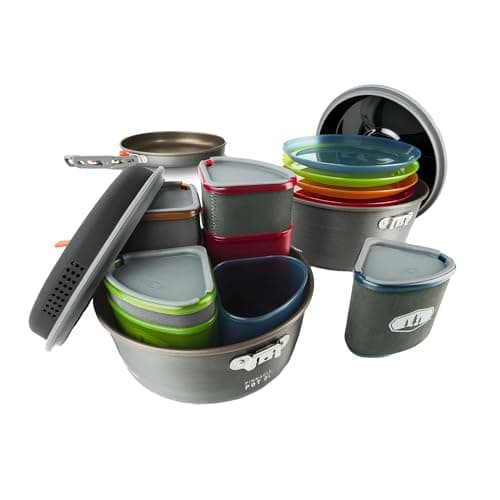
The pattern is worth naming: kitchen gadgets are bought at the moment of enthusiasm and used at the moment of exhaustion, and the second moment always wins. A cookset with a strainer lid such as the GSI Pinnacle Ceramic Camper at 3 lb 10.1 oz for four replaces several of them by itself.
Furniture that is not a chair or a table
A camp chair per person and one table is the whole furniture requirement for most campsites. The additions that get bought and then left at home: folding side tables, footstools, hanging organizers, and shoe racks.
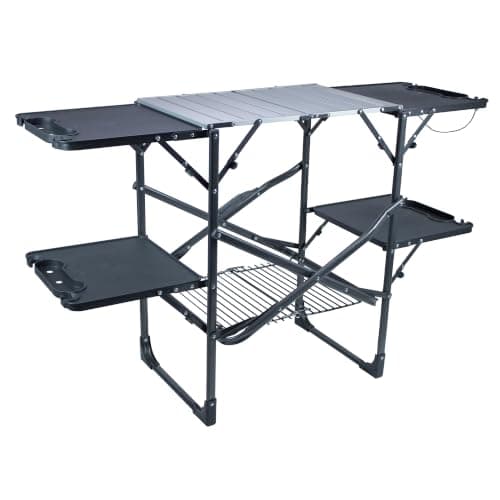
The exception is a dedicated cook station, which genuinely earns its place because it gives the stove a stable surface at a sensible height. A camp kitchen station is doing a job that a picnic table does badly, and the safety argument is in carbon monoxide and stove safety when camping.
The three that are worth it, against expectation
A second cooler for drinks. Sounds excessive, protects the food cooler's ice budget more than any upgrade to the cooler itself. A doormat for the tent door. Costs almost nothing and keeps grit out of a floor and a sleeping bag. A headlamp per person. Not one for the group; one each, kept within reach of each sleeping bag. All three are cheap, all three are routinely skipped, and all three change a trip more than most gear on the shelf.
Gear bought for the trip you are not taking
This is the expensive category. A stiff mountaineering boot for three-mile trails. A 3,000 watt-hour power station for a weekend of charging phones. A four-season tent for summer camping. A 65 L pack for day walks.
Each is a good product being asked to do the wrong job, and each is heavier, more expensive and less comfortable at that job than the correct product. Buy for the camping you actually do this year, and upgrade when the trips change — the sizing arithmetic that prevents the power station version is in power banks vs power stations, and the footwear version in hiking boots vs trail shoes.
Duplicates of things you already own
Camp cutlery, plates and mugs, when the kitchen cupboard is full of them. Bring a set from home in a bag; nothing about camping requires special crockery.
Towels. A microfiber towel is genuinely better for packing, and an old bath towel works for a car camping weekend.
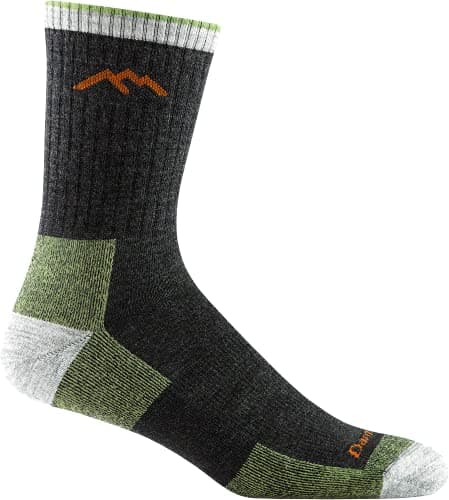
Clothing. Most of a camping wardrobe already exists in your drawers. The exceptions are the base layer and the shell — per how to layer for camping — and the socks, which are the cheapest genuine upgrade there is.
A camping pillow, for car camping. The pillow off your bed works and is better. This changes the moment you are carrying it.
Things bought to solve a problem that has a free fix
A tent fan, when opening both doors and every vent creates a cross-flow that does more. A thicker sleeping bag, when the problem is the pad underneath. A brighter lantern, when the issue is where the light is placed rather than how much of it there is. A bigger tent, when the issue is that gear is stored inside rather than in the vestibule.
Every one of those has a free answer that works better, and the pattern is worth internalising: diagnose the cause before buying the fix. The most expensive version of this mistake is buying a warmer sleeping bag to solve a cold pad — see why you get cold in a sleeping bag.
What to buy instead
With the money not spent on the list above: a better sleeping pad, because R-value is a measured number that directly determines whether you are warm. Good socks, which prevent more misery per dollar than anything else in camping. A second cooler. A headlamp each. And a thick self-inflating pad if you car camp, because 3.9 in of loft is what makes a side sleeper comfortable.
Then stop. A complete car camping kit is about twenty-five objects, and the difference between an enjoyable trip and a miserable one is almost never one of the other fifty. The sequencing is in start here, and the secondhand route through the expensive half is in how to buy used camping gear.
The gear this page points to
GSI Outdoors Pinnacle Ceramic Camper
GSI Outdoors
3 lb 10.1 oz of pots with strainer lids, a pan and tableware for four. Replaces several single-purpose kitchen gadgets by itself.
QWhat camping gear do beginners buy and never use?
Single-purpose kitchen gadgets - egg holders, pie irons, toaster racks, collapsible kettles - plus extra furniture beyond a chair each and one table, and duplicates of cutlery, plates and towels already in the house.
QWhat camping gear is actually worth buying?
A sleeping pad with a real R-value, good wool socks, a headlamp per person and a second cooler for drinks. All four are cheap relative to what they change, and all four are routinely skipped in favor of gadgets.
QDo I need special plates and cutlery for camping?
No. The kitchen cupboard already has them, and nothing about camping requires special crockery. The exception is a nesting cookset if you are carrying it, where packed size and weight genuinely matter.
QShould I buy a bigger tent or a warmer sleeping bag?
Usually neither. A tent that feels small is often a tent with gear stored inside instead of in the vestibule, and a bag that feels cold is almost always a pad with too low an R-value. Diagnose the cause before buying the fix.
Sources
Every figure on this page comes from a published source. We have not tested this gear, so the numbers are the manufacturer's or the standard body's, not ours. How we research.