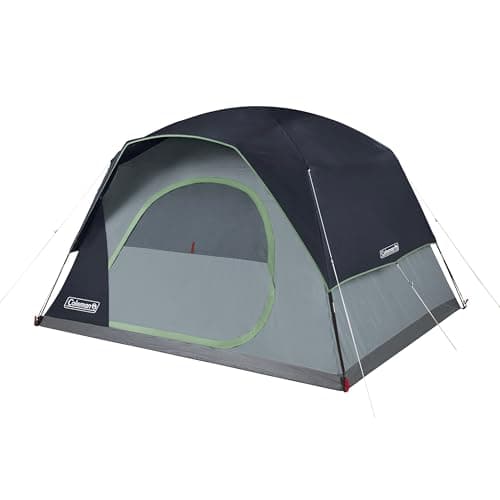
Coleman Skydome 6-Person Tent
Coleman
About 16.8 lb with a 6 ft center height, and it packs small enough for a normal car boot.
$179.99 · Check price on Amazon
#ad how this is funded · price as of October 23, 2026
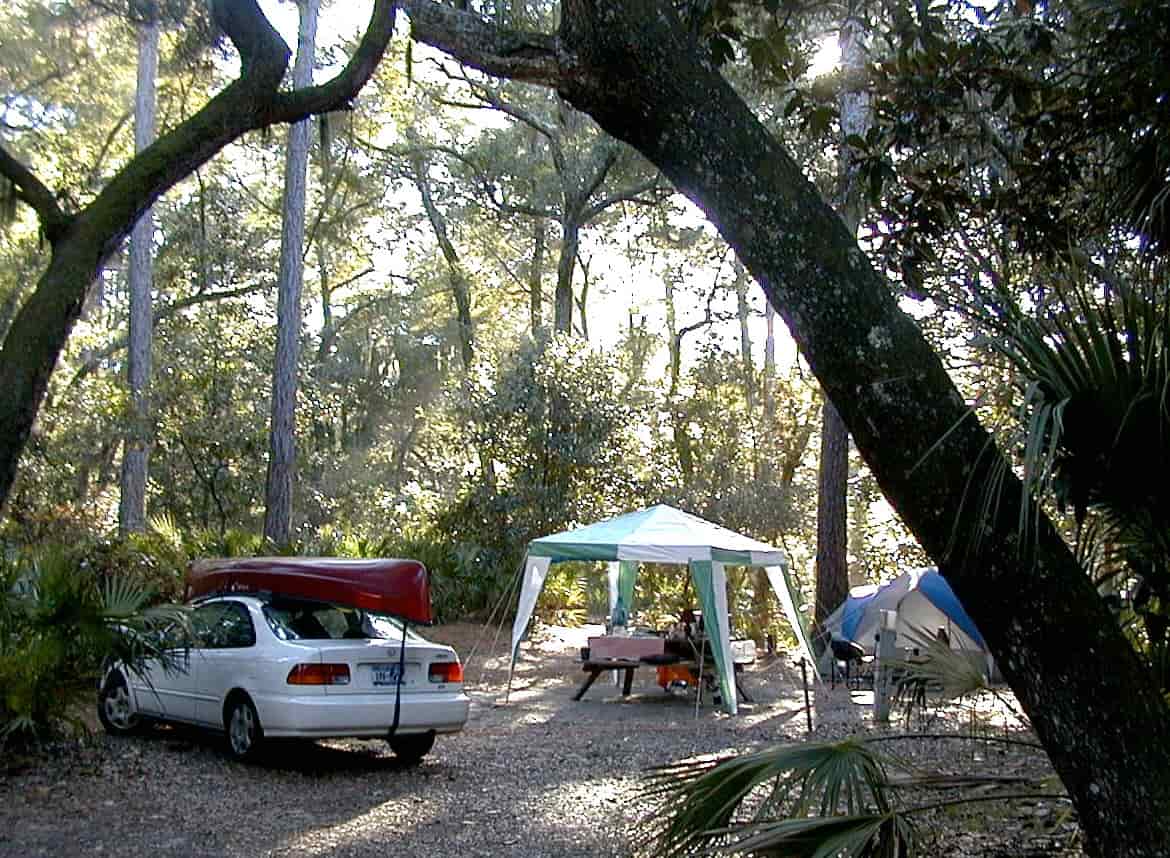
Car camping is camping where the car is parked at the pitch. That one fact makes almost everything easier, and it changes which gear is worth buying.
Trail & Tarp earns a commission from qualifying purchases made through links on this page, at no extra cost to you. Full disclosure.
The short answer
Car camping means you drive to a numbered site and pitch a tent beside your parked car. Nothing gets carried more than about fifty feet, so weight stops mattering and space, comfort and setup time start mattering instead. It is the version of camping most families start with, and it needs a completely different gear list from backpacking.
It is not sleeping in the car (that is car sleeping, or dispersed camping), and it is not RV camping. The tent is on the ground and the car is a large, lockable, weatherproof storage box parked ten feet away, which is the single biggest luxury in camping.
Book earlier than feels necessary. Popular state and national park campgrounds release sites months ahead and the good ones go in minutes on summer weekends. When you book, check four things on the site listing:
For a first trip, pick somewhere within about two hours of home. If it goes badly you can leave, and knowing that removes most of the anxiety.
The full list, grouped and printable, is the car camping checklist. The short version is that a car camping kit is built around five systems:
| System | What it is | Where to start |
|---|---|---|
| Shelter | Tent, stakes, mallet, footprint | Best car camping tents |
| Sleep | Pad or airbed, bag, pillow | Best sleeping pads |
| Kitchen | Stove, fuel, cooler, water, wash kit | Camp kitchen setup |
| Light | Lantern per area, headlamp per person | Best camping lanterns |
| Comfort | Chairs, table if needed, something to sit under | Best camping chairs |
Buy in this order, not the order the shop suggests
Tent, sleeping pad, sleeping bag, light, stove, chairs. The pad comes before the bag because the ground is what makes people cold, not the air — see R-value explained. Everything after chairs can be borrowed, improvised from the kitchen at home, or skipped on a first trip.
Load in reverse order of use, so the first thing you need is the last thing in. That means the tent goes in last and comes out first, because it needs to be up before the light goes.
Two habits that pay for themselves: use one plastic bin for the kitchen so it never gets unpacked at home and repacked wrong, and keep the tent stakes and mallet inside the tent bag rather than in a separate box that gets left behind.
Night one: something reheated that you cooked at home, frozen flat in a bag. It thaws in the cooler on the drive and doubles as ice. Day two breakfast: eggs, or oatmeal if you want to skip washing a pan. Night two: one-pot pasta, which needs one pot and one burner.
Keeping it all cold is a technique problem more than an equipment problem — see how to keep food cold camping.
Dry the tent as much as you can before it goes in the bag, even if that means draping it over the car for twenty minutes. A tent packed wet and left for a week is how tents get mildewed, and mildew does not come out.
At home, unpack the same day: air the tent, air the sleeping bags, and store bags uncompressed in the big sack rather than the stuff sack. Compressed insulation loses loft permanently, which quietly makes a good bag colder every season.
If the trip went well and you have children, the next read is family camping with kids. If it went well and you found yourself wondering what is further up the trail, that is your first backpacking trip, and the difference between the two kits is worked through in car camping vs backpacking.
Coleman
About 16.8 lb with a 6 ft center height, and it packs small enough for a normal car boot.
#ad how this is funded · price as of October 23, 2026
Coleman
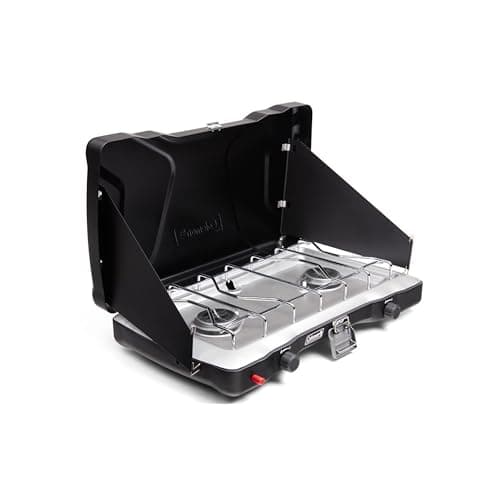
22,000 BTU across two independently adjustable burners, which is what cooking a real meal for a family needs.
#ad how this is funded · price as of October 23, 2026
Coleman
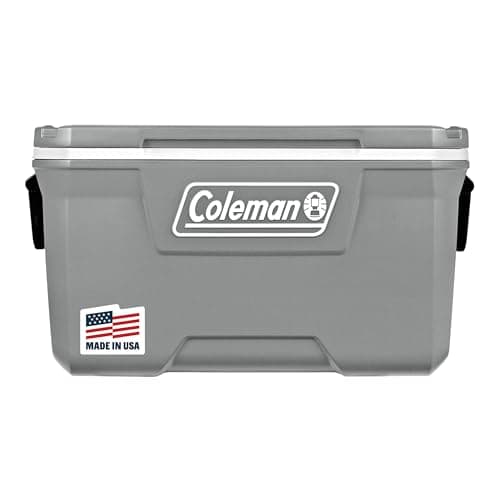
The cooler is the item that decides what you can eat on a car camping trip, so size it generously.
#ad how this is funded · price as of October 23, 2026
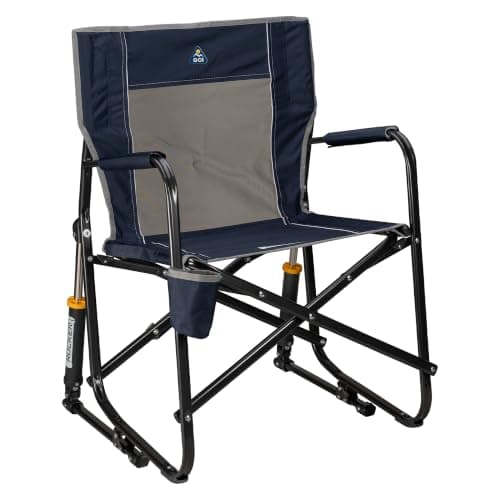
GCI Outdoor
Back support, which is what decides whether the evening happens outside or in the tent.
#ad how this is funded · price as of October 23, 2026
Camping where you drive to a numbered site and pitch a tent beside your parked car, so nothing needs carrying more than a few dozen feet. Weight stops mattering, which is why car camping gear is bigger, heavier and more comfortable than backpacking gear.
Five systems: shelter (tent, stakes, mallet), sleep (pad, bag, pillow), kitchen (stove, fuel, cooler, two water containers, wash kit), light (a lantern and a headlamp each) and comfort (chairs). Everything else can be borrowed or skipped the first time.
Aim to be on site at least three hours before sunset on a first trip. Pitching a tent, inflating pads and setting up a kitchen are all easy in daylight and unpleasant by headlamp.
Load in reverse order of use: chairs and day-two items deep in the trunk, kitchen gear in the middle, and the tent, mallet, headlamps and first meal on top where you reach them first. Keep the cooler in the cabin rather than a hot trunk.
Every figure on this page comes from a published source. We have not tested this gear, so the numbers are the manufacturer's or the standard body's, not ours. How we research.