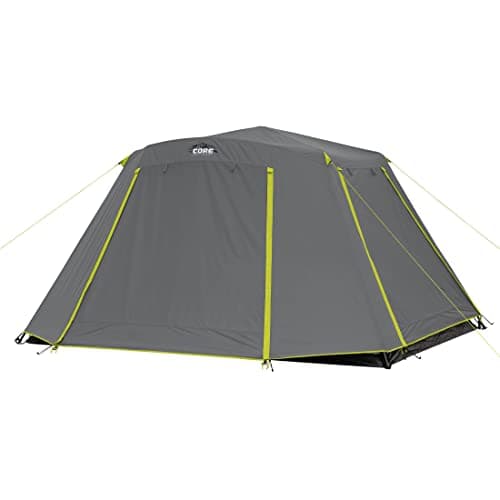
CORE 6 Person Instant Cabin Tent
CORE Equipment
A tent with a full rainfly, which does far more for staying dry than any groundsheet underneath it.
$299.99 · Check price on Amazon
#ad how this is funded · price as of October 23, 2026
A footprint is a sheet of fabric under your tent. It is not a waterproofing upgrade, and cut wrong it makes things worse. Here is when it is worth it.

Trail & Tarp earns a commission from qualifying purchases made through links on this page, at no extra cost to you. Full disclosure.
The short answer
No for most campground camping on grass, yes in four specific situations. A footprint protects the tent floor from abrasion and keeps the packed tent cleaner. It does not raise the floor's waterproof rating. Buy or cut one if you pitch on gravel, hard-packed dirt or pine duff, if the tent is expensive and you want the floor to outlive it, if you pitch and strike frequently, or if you want to keep mud off the tent you have to pack into a car.
It does not make a tent more waterproof in any meaningful sense. Tent floors already carry a high hydrostatic head rating, usually higher than the fly, precisely because body weight presses the floor into whatever moisture is underneath. A second sheet of fabric adds a marginal barrier at best.
It also does not insulate you from the ground in any way that matters. Ground conduction is handled by your sleeping pad's R-value, and a thin sheet of nylon contributes essentially nothing.
The one way a footprint makes things worse
If the footprint extends past the edge of the tent floor, rain running off the fly lands on it and is channeled under the tent, where it pools between the two layers. You end up sleeping on a shallow puddle that would have soaked away into the ground. Cut or fold any footprint so it sits about an inch inside the tent floor all the way round. This is the single most common footprint mistake.
A brand footprint is cut to the exact floor shape, often with grommets that match the pole ends, and it costs meaningfully more than the alternative. A sheet of polycryo (window insulation film) or a cheap tarp cut a couple of inches smaller than the floor does the same job for a fraction of the price, at the cost of a few minutes with scissors and a slightly less tidy pitch.
For a first family tent, cut your own. For a tent you intend to keep for a decade, buy the fitted one.
On foot, every ounce is argued about, and a footprint is one of the first things experienced backpackers drop. A polycryo sheet weighs a few ounces; a branded footprint can weigh close to a pound. If you are heading toward a first backpacking trip, cut a light sheet or go without and pitch carefully.
If your goal is a dry tent, the ordering that actually works is: pitch on a slight rise rather than the flattest hollow, clear sticks and stones from the pitch, tension the fly so it never touches the inner wall, and open a vent to control condensation. All four of those beat a footprint, and all four are free. Then add a footprint for wear.
More on what the fly is doing in tent waterproof ratings explained, and the tents themselves in best family camping tents.
CORE Equipment
A tent with a full rainfly, which does far more for staying dry than any groundsheet underneath it.
#ad how this is funded · price as of October 23, 2026
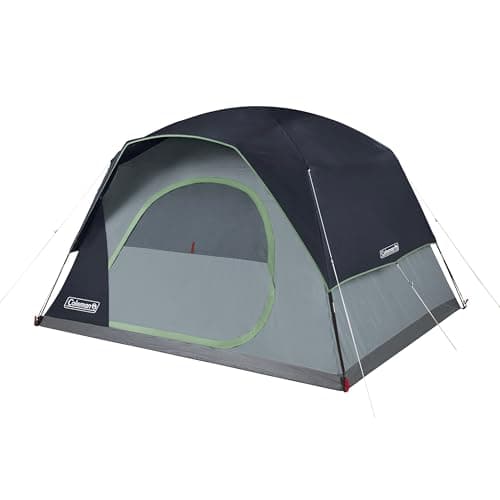
Coleman
About 16.8 lb with a full fly, for people deciding between spending on a footprint or on the tent itself.
#ad how this is funded · price as of October 23, 2026
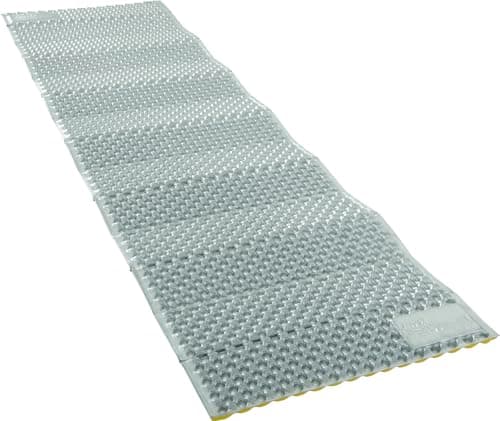
Therm-a-Rest
If the goal is warmth rather than floor protection, insulation goes above the floor, not below it.
#ad how this is funded · price as of October 23, 2026
Not for occasional camping on grass. Yes if you pitch on gravel or hard-packed ground, pitch often, own an expensive tent, or want to keep mud out of the packed tent. It is a wear item, not a waterproofing upgrade.
Most experienced backpackers skip a branded footprint and either go without or carry a light polycryo sheet cut to size. A fitted footprint can weigh close to a pound, which is a lot to carry for abrasion protection you may not need.
It extends the life of a tent floor and keeps the packed tent cleaner. It is not important for staying dry. Pitching on a rise, tensioning the fly so it does not touch the inner tent, and venting condensation all matter more.
Yes, if it sticks out past the tent floor. Rain running off the fly lands on the exposed edge and is funneled under the tent, where it pools between the footprint and the floor. Always cut a footprint slightly smaller than the tent floor.
Every figure on this page comes from a published source. We have not tested this gear, so the numbers are the manufacturer's or the standard body's, not ours. How we research.