Lighting and Power: Lanterns, Headlamps and Batteries
Brightness is the number on the box; runtime at the setting you actually use is the number that matters. Both are published, and they tell different stories.
Start here if…
Lighting a campsite?Best camping lanterns — one bright one for the table, one soft one per tent. Moving around after dark?Best headlamps, one per person including children. Charging things for a weekend?Best portable power stations works out how many watt-hours you actually need.
Need more than a lantern?Power banks sizes a battery in phone charges, camping generators starts with the decibel figure, and flashlights covers the jobs a headlamp does badly.
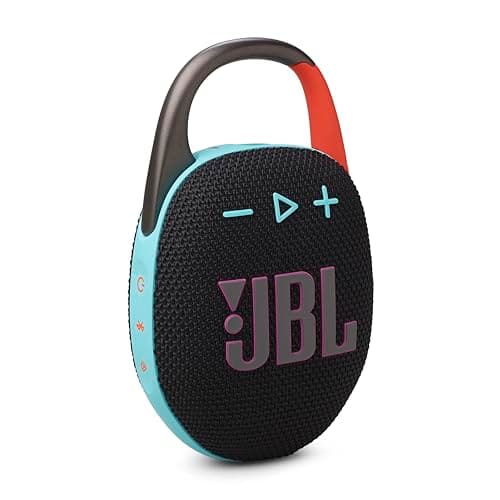
Taking music to a campsite?Best Bluetooth speakers for camping compares published playtime and ingress ratings, and makes the case for buying smaller than you want.
Deciding between the two big power brands?Jackery vs EcoFlow for camping splits them on capacity against recharge speed, and covers the compatibility warning Jackery prints on its own solar panel.
Trail & Tarp earns a commission from qualifying purchases made through links on this page, at no extra cost to you. Full disclosure.
Camping Bluetooth speakers compared on published playtime, waterproof rating and power-bank output, with the campground-etiquette case for buying small.
Jackery and EcoFlow compared on published capacity, cycle life and recharge speed, plus the solar compatibility warning Jackery prints on its own listing.
Lanterns are for staying still, headlamps are for moving
That distinction is the whole lighting plan. A lantern lights a shared area so several people can cook and eat; a headlamp points wherever you look so you can walk, find things and read. Trying to do one job with the other tool is why people end up cooking in their own shadow or blinding each other across a table.
The standard family setup: one bright lantern hung above the cooking area, one small diffused light per tent, one headlamp per person. That is three types of light and it covers everything.
Read the runtime, not the lumens
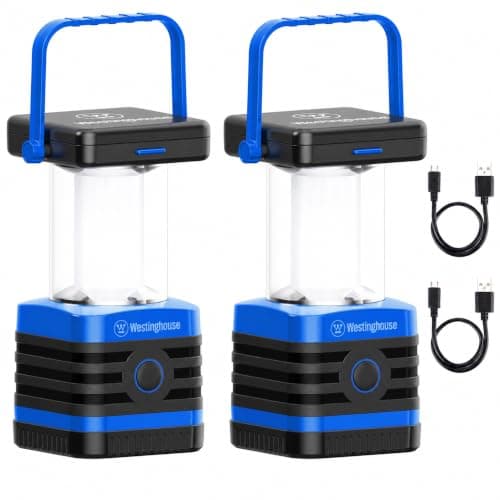
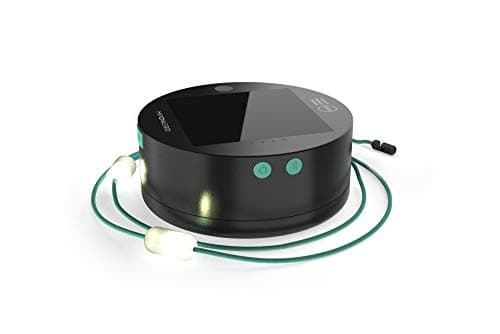
Every rechargeable lantern publishes a headline output that it can sustain for a couple of hours, and a low setting it can run for days. Coleman's OneSource lantern publishes 1,000 lumens for two hours, and 50 lumens for up to 100 hours. Goal Zero's Lighthouse 600 publishes 2.5 hours with both sides on high, and 320 hours with one side on low.
You will spend most of an evening on the low setting, so that is the number to compare. Peak brightness is for pitching a tent in the dark and finding something you dropped.
Light
Max output
Runtime high / low
Water rating
Coleman OneSource lantern
1,000 lm
2 h / up to 100 h
IPX4
Goal Zero Lighthouse 600
600 lm
2.5 h / 320 h
not published
Streamlight Siege AA
200 lm
7 h / 37 h
IPX7
Black Diamond Spot 400 headlamp
400 lm
2.5 h / 200 h
IPX8
All figures as published by the manufacturers.
IPX ratings, briefly
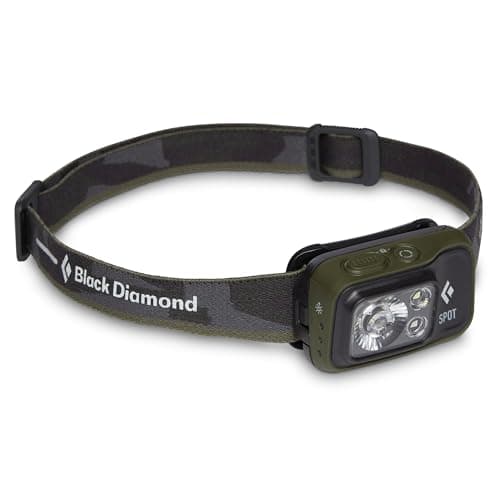
The IPX number describes water protection. IPX4 means splash resistant from any direction, which covers rain. IPX7 means immersion to 1 m for 30 minutes. IPX8 means beyond that — Black Diamond specifies at least 1.1 m for 30 minutes for the Spot 400. For anything strapped to your head in weather, or a lantern that lives outside, this is worth more attention than fifty extra lumens.
Watt-hours, and what a camping battery can and cannot do
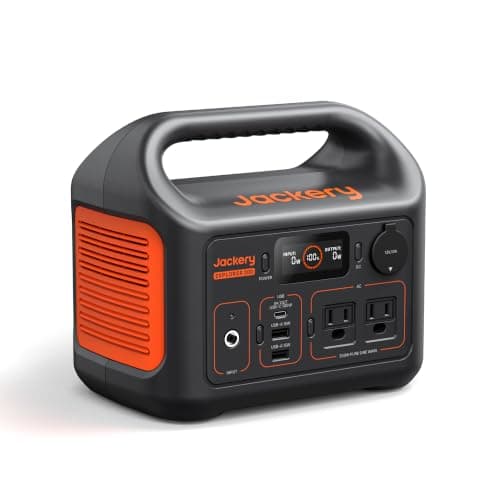
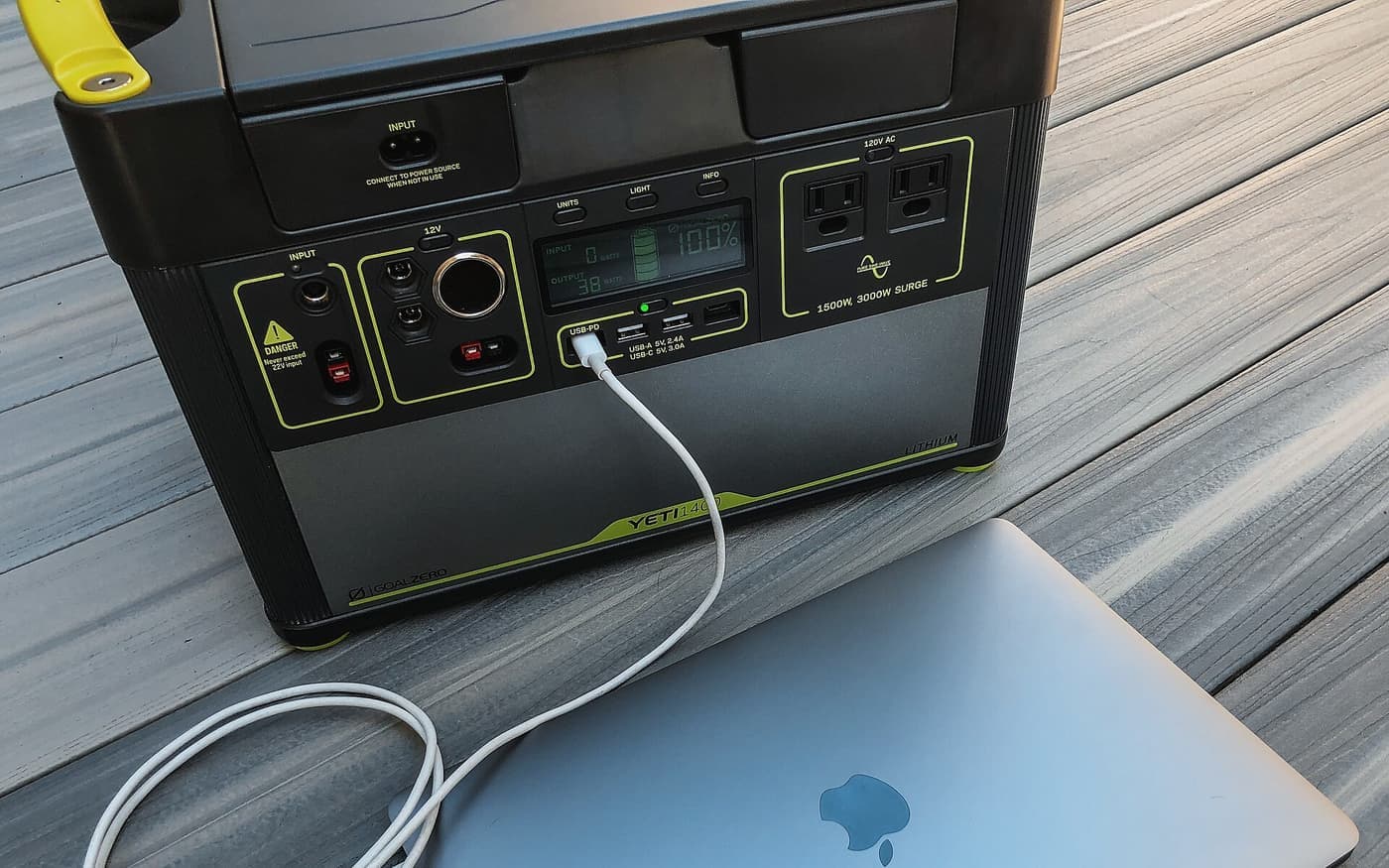
Portable power stations are rated in watt-hours (capacity) and watts (how fast that energy can come out). For camping, 250 to 300 Wh covers a weekend of phones, lights and a camera: a phone battery holds roughly 15 to 20 Wh, so a 288 Wh station is somewhere around a dozen full charges after conversion losses.
What it cannot do is heat anything. Kettles, coffee makers and heaters draw 1,000 W or more, well past the 300 W output of every station in this size class, and a whole weekend of stored energy would boil roughly one kettle even if the output allowed it. Heat comes from a gas stove.
Rechargeable or replaceable batteries?
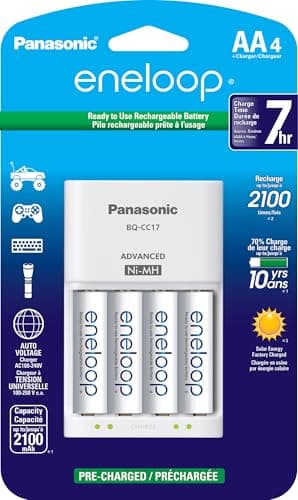
Hybrid designs are the pragmatic answer. The Black Diamond Spot 400 and Petzl Actik Core both run on a rechargeable cell or ordinary AAA batteries, which means you charge them normally and can still buy a fix at a gas station. A sealed rechargeable light is lighter and simpler and leaves you with nothing when it is flat.
For long trips away from power, keep one AA-powered lantern in the car that never gets used until it saves an evening.
As everywhere on this site, these are published figures rather than our measurements. We have not run these lights down to compare real runtimes against their claims — see how we research.
Questions people actually ask
QHow many lumens do you need for camping?
Around 100 to 200 lumens inside a tent, 300 to 600 over a table, and 1,000 as a burst for setting up. Runtime falls sharply at maximum output, so compare the runtime at the setting you will actually use.
QWhat size power station do I need for camping?
For a weekend of phones, lights and a camera, 250 to 300 Wh is ample: a phone charge is roughly 15 to 20 Wh. Nothing in this class will run a kettle or coffee maker, which draw 1,000 W or more.
QWhat does IPX4 mean?
It means the light is protected against splashing water from any direction, so rain is fine. IPX7 means immersion to 1 m for 30 minutes, and IPX8 means beyond that, which matters for a headlamp worn in weather.