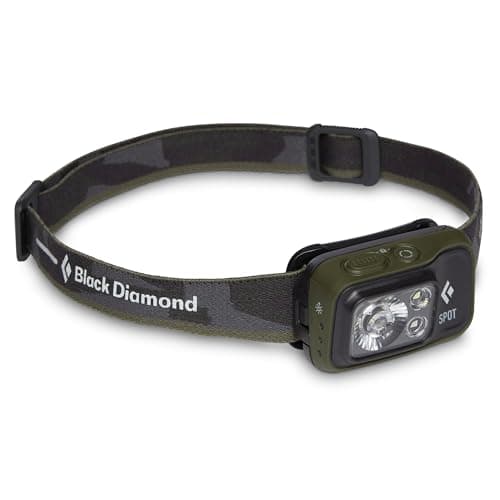
Black Diamond Spot 400 Headlamp
Black Diamond
400 lm high, 6 lm low, IPX8, 86 g. Takes AAAs or a rechargeable pack.
$47.88 · Check price on Amazon
#ad how this is funded · price as of October 23, 2026
These are not competing purchases. One points light where you look; the other fills a space. Buying only one is the most common lighting mistake at a campsite.

Trail & Tarp earns a commission from qualifying purchases made through links on this page, at no extra cost to you. Full disclosure.
The short answer
A headlamp is a directed beam for tasks and walking. A lantern is diffuse light for a space people share. If you buy one, buy the headlamp — it is the safety item. But the reason campsites feel unpleasant after dark is almost always the missing lantern.
The failure mode of a headlamp-only campsite is specific and familiar: four people at a picnic table, each blinding the others every time they look up, and nobody able to see the food.
| Black Diamond Spot 400 | Coleman OneSource 1000 | |
|---|---|---|
| Type | headlamp | rechargeable lantern |
| Output | 400 lm high, 6 lm low | 1,000 lm high, 50 lm low |
| Runtime | 2.5 h high, 200 h low | 2 h high, up to 100 h low |
| Power | 3x AAA or BD 1500 rechargeable | 4,800 mAh lithium-ion |
| Water resistance | IPX8, 1.1 m for 30 min | IPX4 |
| Weight | 86 g with AAA batteries | not published |
Two rows deserve attention. The runtime figures on high are both short — 2.5 hours and 2 hours — and the low-setting figures are enormous. That gap tells you how these are designed to be used: high is for a burst, low is for the evening. Nobody runs either of these on maximum for a night.
The water resistance gap is the other one. IPX8 means the Spot survives immersion; IPX4 means the lantern handles splashing. A headlamp lives outdoors in weather; a lantern usually sits under a tarp or inside. Both ratings suit their job, and neither is a defect.
| Job | Headlamp | Lantern |
|---|---|---|
| Walking to the toilet block | yes | no |
| Cooking and washing up | workable, but you light only what you face | yes |
| Eating at a table with others | no; you blind everyone | yes |
| Reading in a tent | yes, on low | yes, and better for two people |
| Finding something in a pack | yes; hands free | no |
| Pitching a tent after dark | yes | helps, hung from a branch |
| A power cut at home | yes | yes |
A 1,000-lumen lantern is not the one you want on a campsite. Run at full it wrecks everyone's night vision, floods neighboring sites, and lasts two hours. The useful specification is the low setting and its runtime: 50 lm for up to 100 hours is what an evening actually uses.
Same on the headlamp. Four hundred lumens is for finding a trail junction; 6 lm is for reading without waking the tent. Buy for the range, not the maximum — lumens explained for camping lights.
Red light is the feature nobody uses and everybody should
Most decent headlamps have a red mode. Red preserves dark adaptation, so you can find your boots at 2am without resetting your eyes or waking the person beside you, and it attracts far fewer insects. Learn how your model reaches red mode before the trip, in daylight, because every manufacturer buries it behind a different sequence of presses.
The Spot 400 takes 3 AAA cells or Black Diamond's rechargeable pack; the OneSource runs on a 4,800 mAh lithium battery. On a weekend both are fine. On a longer trip the question is whether you can fix a flat light at all.
Swappable AAAs mean a dead headlamp is a 30-second fix with cells from a gas station. Sealed rechargeables mean carrying a power bank and cable, or going dark. Neither is wrong; the argument in full is in rechargeable vs battery camping lights.
| If this is you | Buy |
|---|---|
| Buying exactly one light | a headlamp; it is the safety item |
| Camping as a family or group | a lantern first, then a headlamp each |
| Backpacking | a headlamp, and a tiny lantern only if weight allows |
| Cooking after dark regularly | a lantern, hung above the table |
| Kids in the group | one headlamp each; it stops them borrowing yours |
| Long trips away from power | whichever takes replaceable cells |
The working campsite setup is one headlamp per person plus one lantern for the shared space, and string lights if you want the area lit without a glare source. The roundups are in best headlamps for camping, best camping lanterns and best camping string lights.
Black Diamond
400 lm high, 6 lm low, IPX8, 86 g. Takes AAAs or a rechargeable pack.
#ad how this is funded · price as of October 23, 2026
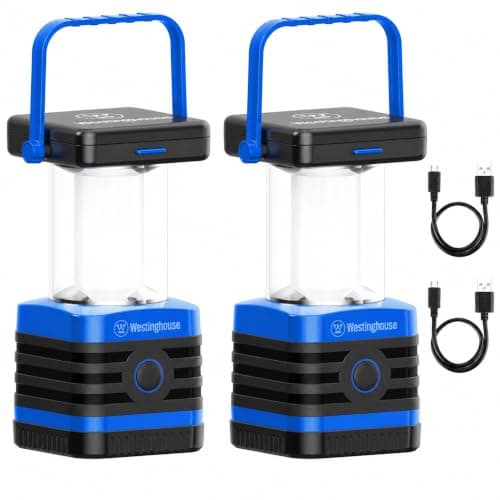
Coleman
1,000 lm high but 50 lm for up to 100 h. The low setting is the one you will use.
#ad how this is funded · price as of October 23, 2026
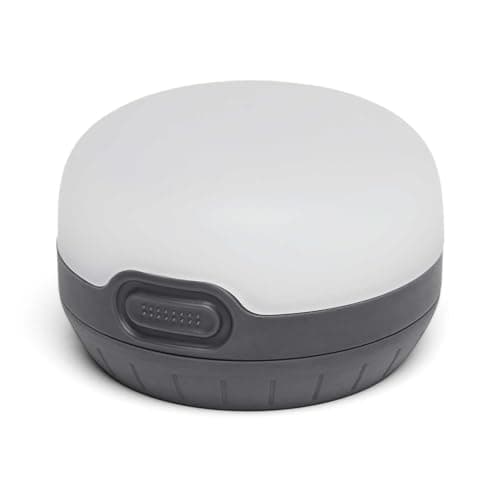
Black Diamond
A small diffuse lantern for inside a tent, where 1,000 lumens would be absurd.
#ad how this is funded · price as of October 23, 2026
For a campsite with more than one person, yes. A headlamp is a directed beam for tasks and walking; a lantern lights a shared space. Headlamp-only campsites end up with everyone blinding each other across the picnic table.
A headlamp. It is the safety item: hands-free light for walking to the toilet block, pitching after dark and finding things in a pack. The lantern is what makes the evening pleasant rather than safe.
Far fewer than the box advertises. Both lights here run only about two hours on maximum but 100 to 200 hours on their low settings, which is what an evening actually uses. Buy for the usable low output and its runtime, not the headline number.
Preserving night vision. Red does not reset your dark adaptation, so you can move around at 2am without blinding yourself or waking the tent, and it attracts fewer insects. Find the button sequence in daylight before the trip.
Every figure on this page comes from a published source. We have not tested this gear, so the numbers are the manufacturer's or the standard body's, not ours. How we research.