First, the shared items are all yours: the tent, the stove, the cooler, the water, the first aid kit. Second, nobody is there to walk out for help. Solo gear lists are lighter in some places and heavier in exactly one — communication and safety.
What to look for
Item
What changes for one
Target
Tent
one size up from your headcount still applies
a 2-person, or a 1-person if carrying far
Cooler
smaller, so the ice ratio stays right
a soft cooler for a weekend
Stove
a small burner is genuinely enough
anything that boils one pot
Cookware
one pot that doubles as a bowl
a single 0.75 to 1 L pot and a mug
Water
you carry all of it
a bottle plus a way to filter
Light
no one to borrow from
a headlamp, plus a spare light
Communication
the item a group made optional
a satellite messenger where there is no signal
How each category shifts when there is nobody to split it with.
Note the cooler line runs the opposite way to intuition. Bigger is not safer when you are alone; a half-empty cooler loses cold fast, and the right-sized one holds temperature better with less ice.
The one place a solo list gets heavier
In a group, a turned ankle is an inconvenience because someone walks out. Alone, it is the whole problem. Outside cell coverage, a satellite messenger is the item that turns that from serious into manageable, and it is the single purchase that most changes the risk of camping alone. A SPOT Gen4 or similar, plus telling one person your route and your return time, is the actual safety system. The device comparison is in satellite messenger vs PLB vs two-way radio.
Cooking for one
The efficient solo kitchen is one pot, one mug, one spork and a small burner. An insulated mug doubles as a bowl, which removes an item and a wash.
More than you would guess. No room divider, no second chair, no shade canopy for a group, no wagon, no large water container, and a much smaller kitchen. A solo car-camping load fits in a car boot with space left over.
The things not to skip: a proper headlamp with a spare set of cells, a first aid kit you can open one-handed, and enough insulation under you. Being cold alone at 2am with nobody to share a tent's warmth is its own argument for R-value.
Redundancy replaces the second person
In a group, redundancy is free: if your headlamp dies, someone lends you one. Alone, every single point of failure is yours, and the fix is not more gear but a second way to do the three things that matter.
Light. A headlamp plus spare cells, or a second small light. Being without light alone at a dispersed site is genuinely disorienting.
Fire and heat. A lighter and a ferro rod. Lighters fail wet and in cold; a ferro rod does not care.
Water. A filter plus tablets. A clogged or frozen filter with no backup turns a comfortable trip into a short one — see water filter vs purifier vs tablets.
That is three small items, not a second set of everything. The principle is to duplicate the things whose failure ends the trip, and accept single points of failure everywhere else.
Where to go first
A developed campground, for the first few trips. Neighbors within earshot, a bathhouse, cell coverage and a ranger are all risk reduction at no cost, and they let you find out what you forgot somewhere forgiving.
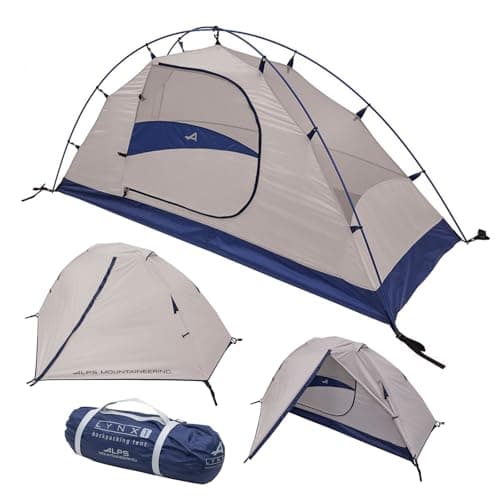
A 2-person tent is the right size for one person plus everything they brought.
One-person tents are genuinely narrow: a pad and nothing else. For solo camping where weight is not the dominant constraint, a two-person tent gives you somewhere to put a pack, sit out rain and get dressed.
The exception is when you are counting grams on a long carry, where a dedicated solo shelter earns its narrowness. The field is in best backpacking tents for beginners.
The drawback
A 2-person tent weighs and costs more than a 1-person, and a true solo tent will always be lighter if grams are the priority.
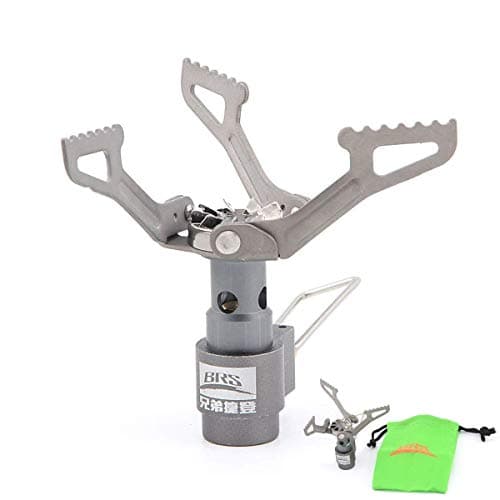
25 g / 0.88 oz and 2,700 W of output, folding to 1.45 by 1.45 by 2.04 in.
BRS publishes 25 g / 0.88 oz, 2,700 W output, a titanium alloy build, a folded size of 1.45 by 1.45 by 2.04 in and an EN417 threaded canister fitting, with no ignition.
Cooking for one is the case where a minimal burner genuinely makes sense: a single small pot is all it has to hold. For anything more substantial, the comparison is in Jetboil vs MSR PocketRocket.
The drawback
No ignition, thin supports that are unstable under a large pot, and titanium arms known to deform under heavy loads over time.
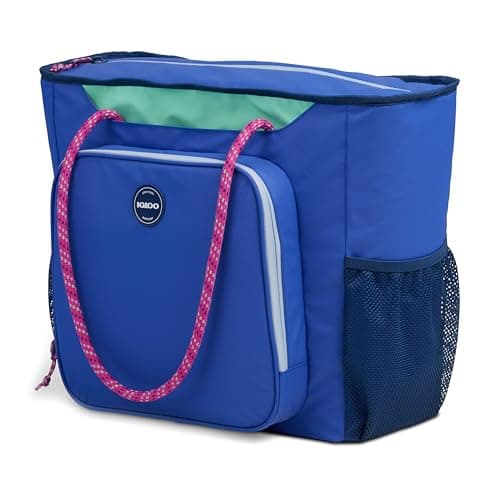
A 30-can soft cooler, sized for one person rather than a family.
The mistake solo campers make is bringing the family cooler. A 45 or 70 quart box for one person is mostly air, and air is exactly what warms the contents.
A soft cooler sized to the trip keeps the ice ratio sensible and weighs a fraction of a hard box — see best soft coolers for camping.
The drawback
A soft cooler holds cold for a day or two, not a week. For longer solo trips you are back to a hard cooler or shopping en route.
A 2-person tent for most solo camping, because one-person tents fit a pad and nothing else. The extra floor gives you somewhere to put a pack, sit out rain and get dressed. Choose a true 1-person shelter only when you are carrying it a long way and weight dominates.
QDo I need a smaller cooler when camping alone?
Yes, and it runs against intuition. A large cooler holding one person's food is mostly air, and air warms fast. A right-sized soft cooler keeps a sensible ice-to-contents ratio and holds temperature better for a weekend than a half-empty hard box.
QIs solo camping safe?
It is manageable with preparation. The real change is that nobody can walk out for help, so outside cell coverage a satellite messenger is the purchase that most reduces the risk. Tell one person your route and your return time, and start at developed campgrounds before dispersed sites.
QWhat can solo campers leave at home?
Most group items: the second chair, the room divider, the shade canopy, the wagon, the large water container and most of the kitchen. What not to cut is lighting with spare cells, a first aid kit you can open one-handed, and insulation under you.
How we picked
Everyone else in this category will tell you they tested twenty of these. We have not tested any of them, and we would rather say so than pretend. There is no gear closet here and no test lab.
What we did instead: pulled the published specifications from each manufacturer's own spec sheet or manual, named the standard behind every rating so you can check what it actually promises, did the arithmetic that turns a spec into a decision, and pulled today's real retail price rather than quoting one from memory. Every pick states a drawback, because a list where nothing is wrong with anything is an advert.
The limits of that method, stated plainly: published specs do not capture zipper quality, seam durability, or how a tent behaves at 2am in a storm. Where that matters, we say so on the pick. The full method is here.