Wildlife Safety at a Campsite: Almost All of It Is Housekeeping
The animals that ruin camping trips are not the ones on the warning signs. They are raccoons, mice and ants, and every one of them is following a smell you left out.
Trail & Tarp earns a commission from qualifying purchases made through links on this page, at no extra cost to you. Full disclosure.
What actually visits a campsite
The short answer
In order of likelihood: ants, mice, raccoons, birds, squirrels, skunks and — in specific regions and far down the list — bears. The first five are attracted by food and rubbish, arrive whether or not you notice, and cause almost all the actual damage to gear and trips. Wildlife safety at a campsite is mostly a housekeeping problem, not a bravery problem.
That framing matters because beginners worry about the rare, dramatic encounter and neglect the routine one. A mouse chewing through a tent floor to reach a forgotten cereal bar costs you a tent repair and a night of noise. A raccoon opening an unlatched cooler costs you the weekend's food. Neither makes a story worth telling and both are entirely preventable.
The rules that do most of the work
Habit
What it prevents
Effort
Nothing scented sleeps in the tent
Mice, raccoons, bears, ants
Two minutes a night
Rubbish in a sealed container or the bins, before dark
Raccoons, skunks, birds, ants
One minute
Cook and eat away from the tent door
Rodents in the tent, ants
Free
Wash up before bed, not in the morning
Everything
Fifteen minutes
Wipe the table down
Ants and wasps at breakfast
One minute
Never feed anything, ever
Habituated animals for every future camper
Free
Six habits that between them prevent the overwhelming majority of campsite wildlife problems.
The scented-items list is longer than food: cookware, plates, the washing-up sponge, rubbish, toothpaste, deodorant, sunscreen, lip balm, soap, hand sanitiser, dog food and coffee grounds. All of it goes in a sealed container, a locker or the vehicle overnight, and the full method is in how to store food safely when camping.
Set the site up so nothing has a reason to come in
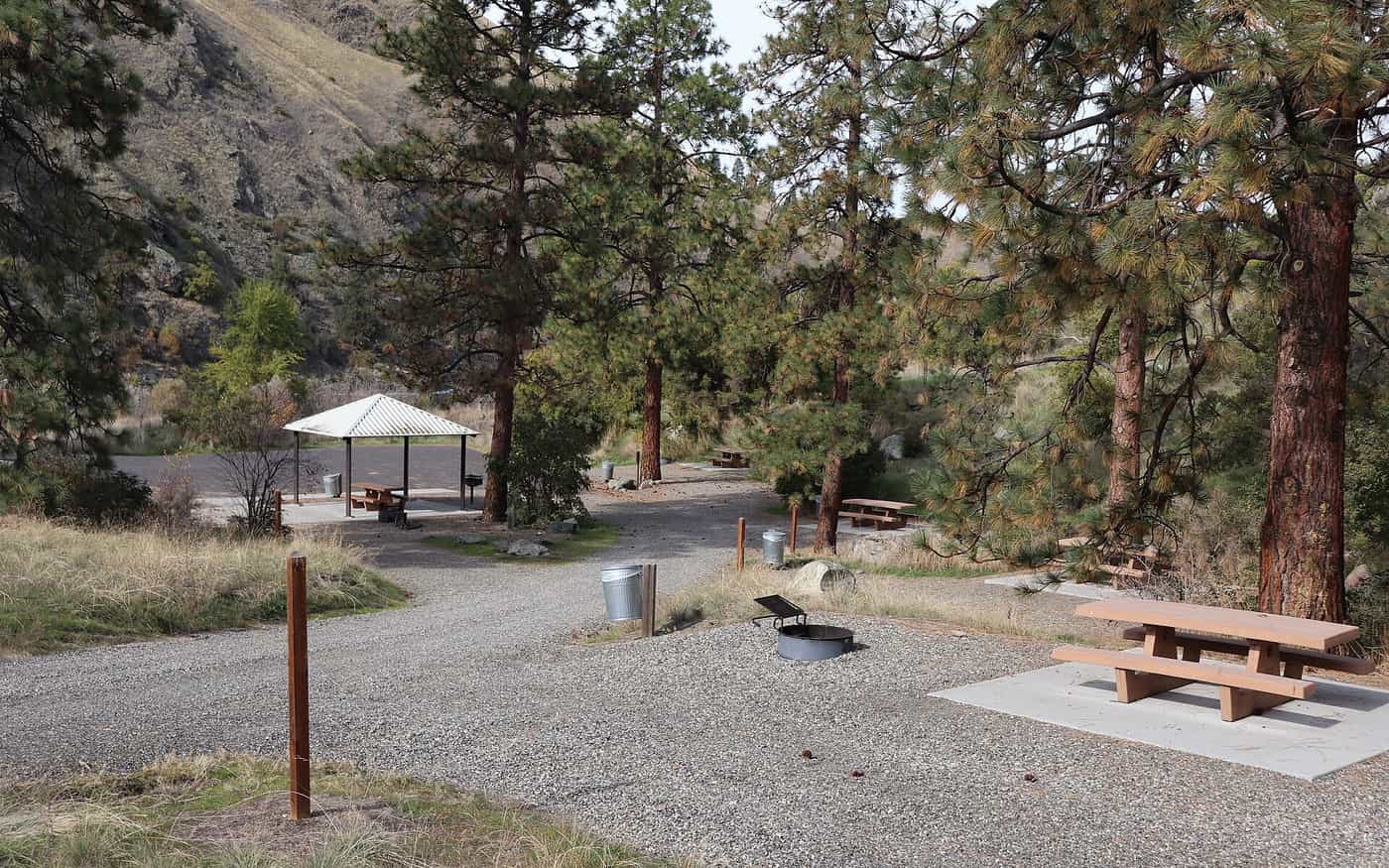
Backcountry guidance describes a triangle: sleep in one place, cook in a second, store food in a third, with distance between them. At a developed campground with a fixed pitch you cannot achieve the distances, but you can achieve the separation.
Put the kitchen at the far end of the pitch from the tent door. Keep the cooler and the dry box with the kitchen, not the tent. Eat at the table. Sleep in clothes you did not cook in. None of that costs anything, and together it means the interesting smells are as far from the sleeping area as the site allows.
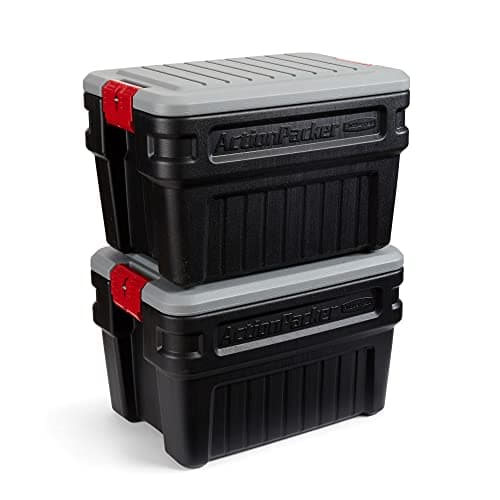
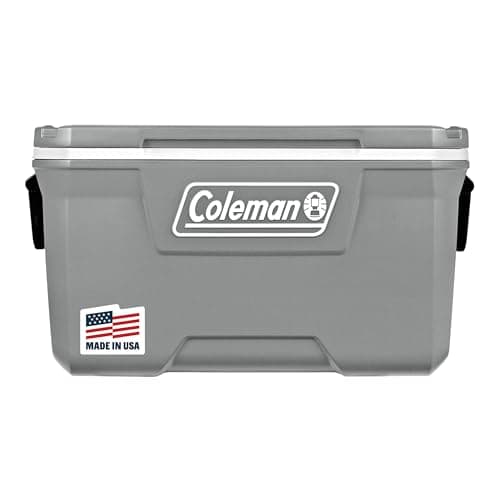
A sealed rigid box publishes a lid that takes a padlock, which is aimed squarely at raccoons rather than people — they open unsecured latches routinely. A cooler is not animal-resistant and belongs in the vehicle overnight.
What this page will not do
It will not tell you what to do if you meet a bear, a moose, a mountain lion or a snake. Those are situation-specific, species-specific and region-specific, and getting them wrong is dangerous — a gear site inventing encounter protocol is a genuine hazard. The National Park Service publishes species and park-specific guidance, and the local land manager knows what is active this season. Read those before a trip somewhere new, not during one.
The small stuff, which is what actually happens
Ants. Arrive within hours of a sugar spill. Wipe the table, keep food sealed rather than in open packets, and do not pitch on an ant trail — look at the ground before the tent goes up.
Mice. Chew through fabric and plastic in minutes to reach food, and they will chew a hole in a tent floor to do it. Never store food in a tent or a pack left in a tent, and leave pack pockets open at home so a mouse investigating does not have to make its own door.
Raccoons. Dextrous, persistent and completely unafraid at popular campgrounds. They open coolers, unzip bags and get into cars through open windows. Latched, weighted or locked containers are the answer.
Birds and squirrels. Take unattended food off a table in seconds. Nothing stays out while you walk away, even briefly.
Skunks. Follow rubbish, are hard to persuade to leave, and the consequence of startling one is memorable. Rubbish goes in the bins before dark.
Insects, which are the wildlife you will definitely meet
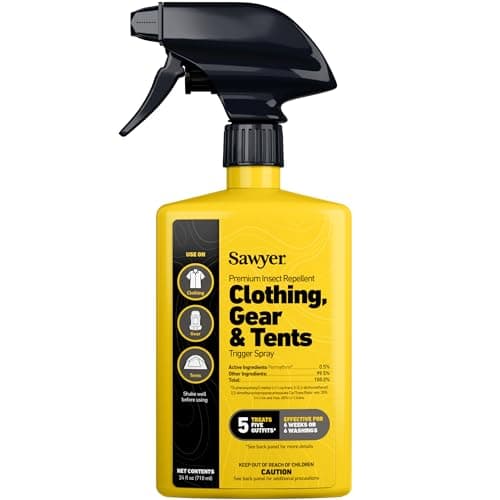
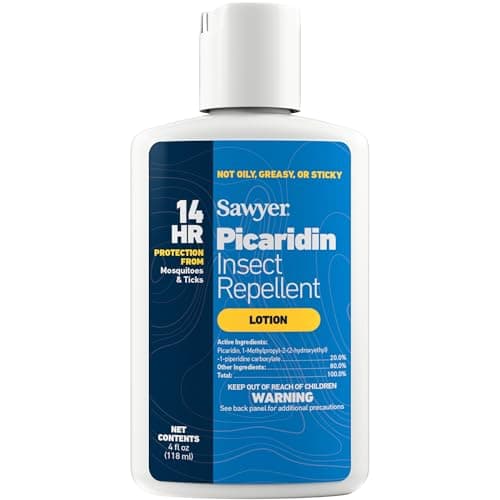
Mosquitoes and ticks are a certainty rather than a possibility, and they are handled with a three-layer system: permethrin on clothing at home, an EPA-registered repellent on exposed skin, and a mesh shelter or area repeller where you sit still. Sawyer publishes a permethrin bonded life of up to 6 weeks or 6 washings, and up to 14 hours for its 20% picaridin lotion.
Ticks in particular are a disease vector rather than a nuisance, and the CDC's prevention guidance leads with treating clothing and gear and checking daily. The product comparison is in best bug protection for camping, and the shelter option in best shade canopies for camping.
Dogs change the equation
A dog at a campsite is both a deterrent and a liability. It will notice an animal long before you do, and it may also chase one, corner one, or bring one back. Dog food and bowls are scented items and go in the sealed container with everything else.
Keep the dog on a lead or a tie-out at all times — the National Park Service requires a lead no longer than six feet in its campgrounds — and check it for ticks every evening. The rest of the dog kit is in camping with a dog.
The one rule that protects everyone else
Never feed wildlife, including indirectly. An animal that learns to associate people with food stops avoiding people, which is how a raccoon becomes a nightly problem and how a bear becomes a bear that has to be destroyed. Leaving food out is feeding wildlife whether you intended it or not.
Report a persistent or bold animal to the campground host rather than dealing with it yourself, and pack out everything including food scraps — the Leave No Trace waste guidance covers why apple cores and pasta count. A sealed rubbish bag in the dry box until you reach a bin is the practical version of that.
The gear this page points to
Rubbermaid ActionPacker 24 Gal
Rubbermaid
26 x 18.5 x 17 in with a lid that takes a padlock and a 50 lb load limit. The padlock is aimed at raccoons, which open unsecured latches routinely.
Ants, mice, raccoons, birds, squirrels and skunks, far more often than anything dramatic. All of them are following food and rubbish, and all of them are prevented by the same housekeeping: nothing scented in the tent, rubbish sealed before dark, and washing up done before bed.
QHow do you keep mice out of a tent when camping?
Never store food in the tent, or in a pack left in the tent - mice will chew through fabric and plastic to reach it, including a tent floor. Eat at the table rather than in the tent, and leave pack pockets open at home so an investigating mouse does not make its own entrance.
QIs a cooler enough to store food safely from animals?
No. A cooler keeps food cold and is not animal-resistant; raccoons open unlatched coolers routinely. Overnight, food goes in a sealed rigid container in the vehicle, in a provided locker, or in a certified bear-resistant container where that is required.
QWhy does feeding wildlife matter if it is just one animal?
Because an animal that associates people with food stops avoiding people. That is how a raccoon becomes a nightly problem at a campground and how a bear ends up having to be destroyed. Leaving food out counts as feeding, whether or not you intended it.
Sources
Every figure on this page comes from a published source. We have not tested this gear, so the numbers are the manufacturer's or the standard body's, not ours. How we research.