How to Store Food Safely When Camping, From Raccoons to Bears
Every animal that visits a campsite at night is following a smell. Food storage is not about locking things away; it is about not advertising in the first place.
Trail & Tarp earns a commission from qualifying purchases made through links on this page, at no extra cost to you. Full disclosure.
The rule that covers almost everything
The short answer
Nothing with a smell sleeps in the tent. Not food, not cookware, not toothpaste, not the wrapper in your pocket. Everything scented goes into a sealed container that is stored away from where you sleep, every night, without exceptions. The National Park Service says it in one line: never store food, garbage or scented items in your tent.
The reason people break this rule is that they think of “food” narrowly. The list of scented items that attract animals is much longer than most beginners expect:
Food, obviously, including sealed and unopened packets
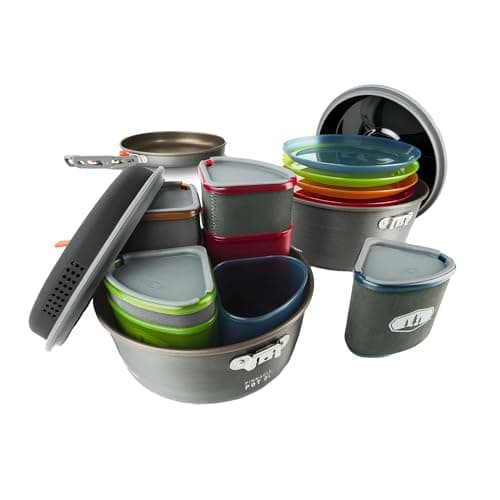
Cookware, plates, utensils and the sponge, all of which smell of dinner
Rubbish, and especially anything with grease or sugar on it
Toothpaste, deodorant, sunscreen, lip balm, soap and hand sanitizer
The clothes you cooked in, if you spilled something on them
Dog food and dog bowls
Coffee grounds, which are among the strongest attractants in a camp kitchen
Match the method to where you are camping
Where
Method
Why
Developed campground, no bear activity
Sealed rigid bin, in the vehicle overnight
Stops raccoons, rodents and birds; a car is not bear-proof
Campground with food lockers
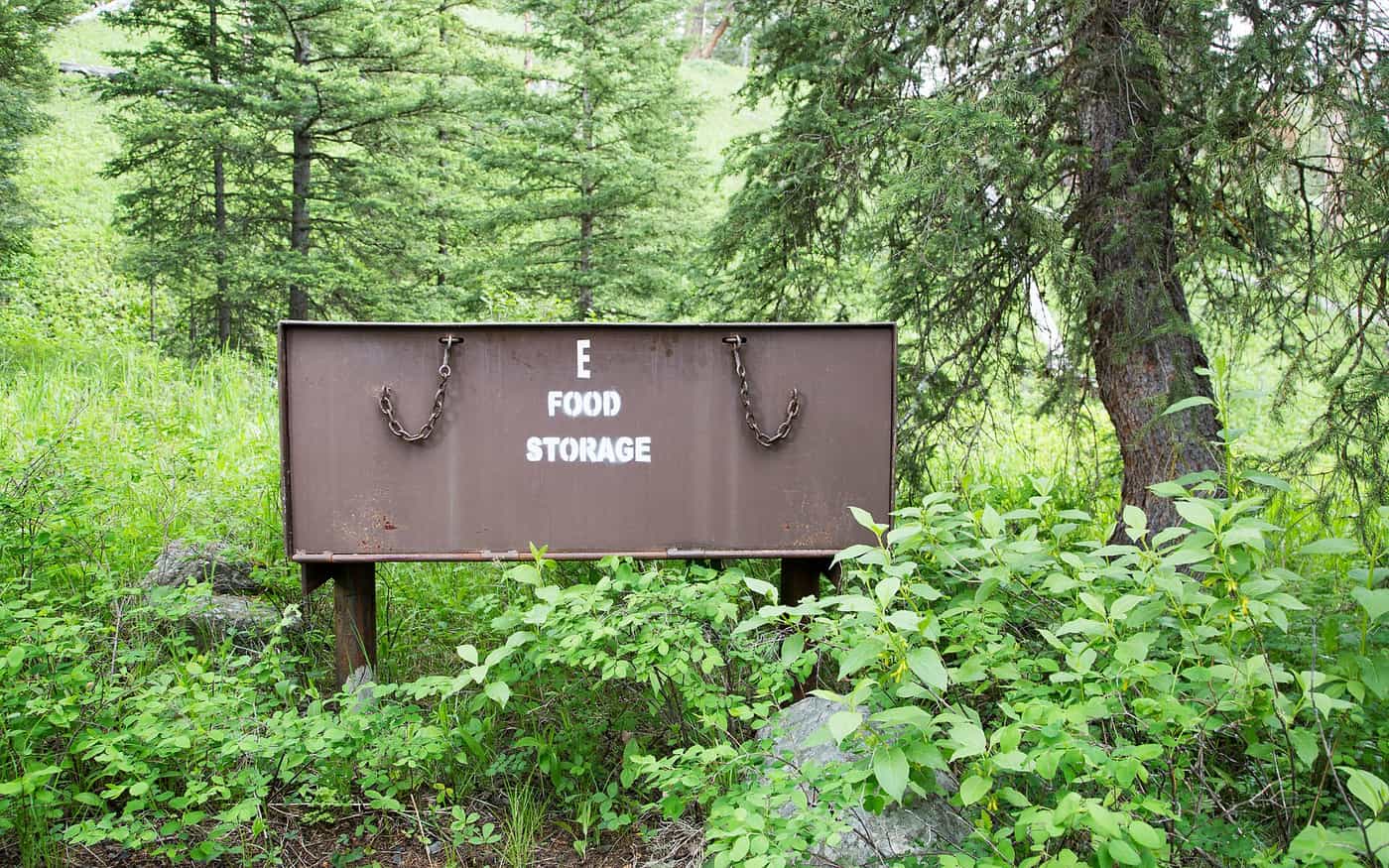
Use the locker, every night
Provided because the site has a known problem
Bear country, car camping
Locker if provided, otherwise a certified bear-resistant container
Vehicles are not certified storage in most parks
Backcountry, bear country
IGBC-certified canister, or the site's cable system
Often a legal requirement, not a suggestion
Anywhere with rodents
Rigid container, not a soft bag
Mice chew through fabric and plastic bags in minutes
The right method is set by the location and its rules, not by preference. Check the campground or land manager's page before you go.
Car camping: the box, and the car
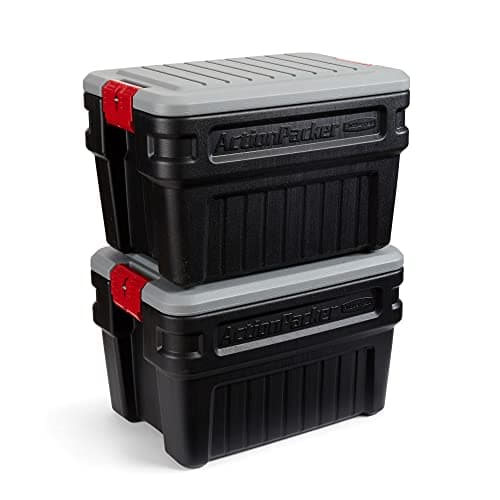
For an ordinary campground without bear activity, a sealed rigid container solves this completely. A Rubbermaid ActionPacker 24 Gal publishes 26 by 18.5 by 17 in outside, a 50 lb load limit and a lid that takes a padlock — the padlock is not for people, it is because a raccoon can open an unsecured latch and routinely does.
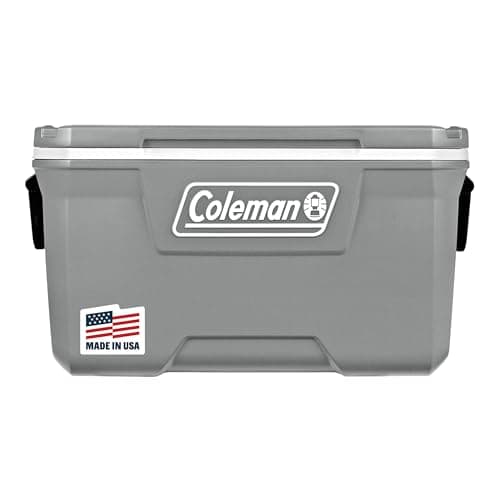
Cold food goes in the cooler, and the cooler goes in the car overnight along with the box. A Coleman Classic 70-Quart keeps its contents cold for days but its latches are not animal-proof and a cooler left out is an invitation. Putting both in the vehicle costs two minutes and removes the entire problem for everything smaller than a bear.
What a car does not do is stop a bear. Bears open car doors, break windows and peel back door frames, and in several national parks storing food in a vehicle overnight is explicitly prohibited. If a locker is provided, that is not a courtesy — it is the required storage.
Check the rules for your specific site before you go
Food storage requirements are set locally and they change. Some parks require certified containers year-round, some seasonally, some only in specific drainages. Some ban storing anything scented in a vehicle. The campground or land manager's own page is the authority, and the same phone call tells you the current fire ban status covered in campfire safety basics. We do not publish wildlife safety instruction; the NPS and IGBC pages linked below are the sources to use.
Bear country: what “certified” means
The Interagency Grizzly Bear Committee runs a testing program for bear-resistant products, and a container that has passed carries an IGBC certification. Many land managers specify IGBC-certified containers by name, which means an uncertified “bear-proof” box does not satisfy the requirement however sturdy it looks.
Two shapes exist. Hard-sided canisters are rigid cylinders that a bear cannot open or carry off, and they are the ones most often required in backcountry areas. Soft bear-resistant bags are lighter, pack smaller, and are certified in some areas and not others. If you are heading somewhere with a requirement, buy a container the land manager accepts rather than the lightest one available, and check the current list on the IGBC site.
Hanging food from a tree is the traditional method and it is now discouraged in much of North America, because bears in popular areas have learned to defeat it and a badly hung bag teaches another one. Where a site provides a cable or pole system, use that; where it provides a locker, use that.
The camp layout that goes with it
Backcountry guidance describes a triangle: sleep in one place, cook in a second, store food in a third, with substantial distance between them and the sleeping area upwind where possible. At a developed campground with a fixed pitch you cannot achieve that, but the principle still applies in miniature.
Cook away from the tent door, not in the vestibule. Cooking in or near a tent is both a fire risk and a scent problem.
Eat at the table, not in the tent. Crumbs in a tent attract rodents, and rodents chew holes in floors.
Clean up before dark, not in the morning. The window between dinner and bed is when the smells are strongest and the animals are arriving.
Take rubbish to the bins or seal it in the box. A bin bag hanging on a tent guy line is the single most common mistake at a campground.
Food safety, the other kind
Animals are the visible risk; temperature is the one that actually makes people ill. The USDA keeps perishable food out of the 40 to 140 F danger zone and limits time above 40 F to two hours, or one hour when it is above 90 F. A cooler that is opened twenty times a day is not holding 40 F however good its published ice claim is.
Practical version: keep a separate drinks cooler so the food cooler stays shut, put a cheap thermometer in the food cooler, and plan the meal order so the highest-risk items are eaten first. The retention arithmetic is in how long does ice last in a cooler and the packing method in how to keep food cold camping.
Washing up is part of food storage
A greasy pan left overnight is stored food. Wash everything before bed, strain the food solids out of the greywater and bag them with the rubbish, and dispose of the water where the site tells you to. Wipe the table down too; sugar on a picnic table is what brings ants and wasps in the morning.
Never in your tent. At an ordinary campground, in a sealed rigid container inside your vehicle overnight. Where a site provides food lockers, use them. In bear country, use the locker or a certified bear-resistant container, because a vehicle is not certified storage in most parks.
QWhat counts as a scented item for camp food storage?
More than food. Cookware, plates, the washing-up sponge, rubbish, toothpaste, deodorant, sunscreen, lip balm, soap, hand sanitizer, dog food and coffee grounds all attract animals and all belong in the sealed container with the food.
QIs it safe to keep food in the car when camping?
It stops raccoons, rodents and birds, which covers most campgrounds. It does not stop bears, which open cars, and several national parks explicitly prohibit storing food in a vehicle overnight. Check the rules for your specific site.
QWhat is an IGBC-certified bear canister?
One that has passed the Interagency Grizzly Bear Committee's testing program for bear-resistant products. Many land managers specify IGBC certification by name, which means an uncertified container does not meet the requirement however sturdy it looks.
Sources
Every figure on this page comes from a published source. We have not tested this gear, so the numbers are the manufacturer's or the standard body's, not ours. How we research.