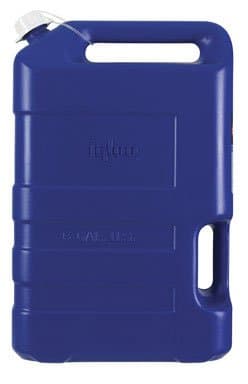
Igloo 6 Gallon Water Container II
Igloo
6 gal at 2.6 lb empty with a pull-up vent. There is no tap at a dispersed site, so water is the first thing to plan.
$49.79 · Check price on Amazon
#ad how this is funded · price as of October 23, 2026
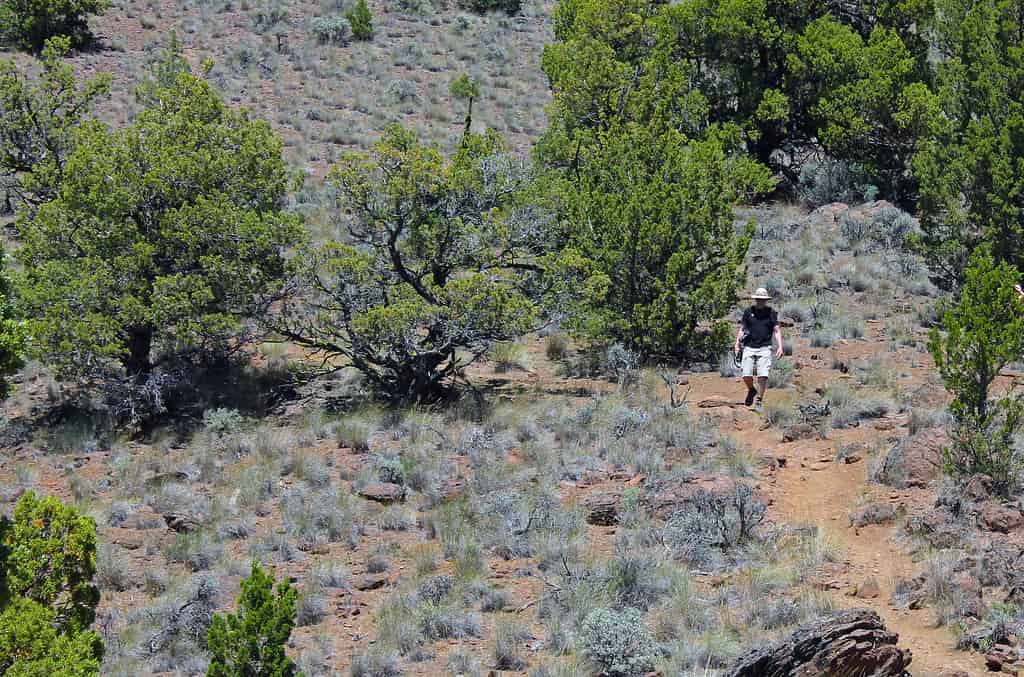
Dispersed camping is camping on public land outside a developed campground. There is no fee, no booking and no facilities, which means everything a campground provides is now your responsibility.
Trail & Tarp earns a commission from qualifying purchases made through links on this page, at no extra cost to you. Full disclosure.
The short answer
Dispersed camping means camping outside a designated campground, generally on National Forest or Bureau of Land Management land, where it is broadly permitted subject to local rules. It is usually free, usually limited to around 14 days in one spot, and it comes with no water, no toilet, no bins, no table and no ranger. National Parks are the main exception: dispersed camping there is normally restricted or requires a permit.
The rules that apply are set district by district and they vary a great deal. The four things to establish for your specific destination, from that district's own page or office: whether dispersed camping is currently permitted, how far you must be from developed recreation sites and water sources, whether fires are permitted right now, and whether any seasonal closure or fire restriction is in effect.
None of that is optional homework. A fire restriction in particular changes week to week, and the campground host who would have told you does not exist here.
| A campground provides | Dispersed means you bring | Where to look |
|---|---|---|
| Potable water | All of it, plus reserve | How much water do you need camping |
| Toilets | A trowel or a portable toilet, and pack-out bags | Campsite toilets and hygiene |
| Bins | Sealed bags; everything leaves with you | How to store food safely when camping |
| A fire ring | Existing ring only, or no fire at all | Campfire safety basics |
| A level, cleared pitch | Site selection on durable ground | Leave No Trace guidance |
| Other people, and help | Self-sufficiency, and a filed plan | Navigation and comms |
Leave No Trace guidance is to camp on durable surfaces, and in dispersed camping that means one clear priority: use an existing site wherever one exists. A spot that has already been camped on, with a bare patch and an existing fire ring, concentrates impact rather than spreading it. Creating a new site is the thing to avoid.
Beyond that: at least 200 ft — about 70 adult paces — from any water source, off vegetation, not in a drainage or a hollow, and not blocking a road or a gate. Check overhead for dead limbs before you pitch, and check the ground for the site-choice reasons in how to set up a tent for the first time.
Tell somebody your plan, and be specific
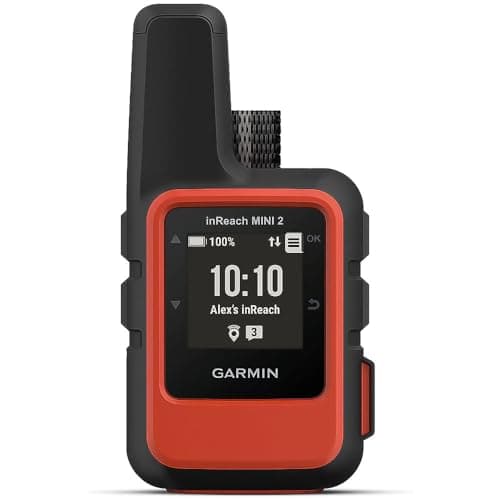
Give one person at home the road or forest road number, roughly where you intend to camp, when you expect to be back, and what your vehicle looks like. This costs nothing and it is the single most valuable safety measure in dispersed camping, because there is nobody at the site who would notice you were missing. If you are going somewhere without cell coverage, a satellite messenger lets you update that plan and call for help — the comparison is in satellite messenger vs PLB vs two-way radio.
Plan a gallon per person per day for cooking and washing as well as drinking, and 1.5 gallons in hot weather, then add a full day as reserve. A 6 gallon rigid jug at 2.6 lb empty plus a 20 L soft carrier at 335 g covers a family weekend and packs down on the way home.
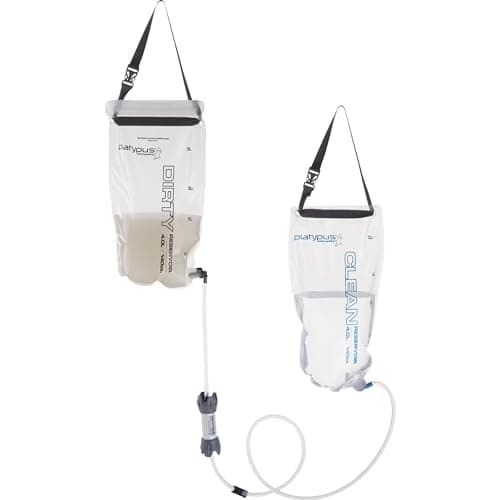
If you intend to draw from a stream, take a filter and know its limits. A Platypus GravityWorks 4 L publishes 0.2 micron and about 2.5 minutes for 4 L, which is the right shape for filling camp water unattended. It removes bacteria and protozoa and not viruses or chemicals — the distinction is in water filter vs purifier vs tablets.
Everything leaves with you: rubbish, food scraps, greywater solids, and in many areas toilet paper. Bring more sealed bags than you think, and a rigid box to put them in so nothing gets into the car or attracts animals overnight.
For human waste, the cathole standard is 6 to 8 in deep and 4 to 6 in across, at least 200 ft from water, camp and trails — and an increasing number of high-use, alpine and desert areas now require packing it out entirely. Check the district's own guidance. The kit and the method are in campsite toilets and hygiene.
Dispersed sites are reached by forest roads, and forest road conditions are not represented on general mapping apps. Roads wash out, get gated seasonally, and turn from graded gravel into something needing clearance without warning.
Three habits: download offline maps before you leave signal, note the road numbers rather than relying on turn-by-turn directions, and turn around while you still can rather than committing to a track that is deteriorating. Carry a paper map and a compass as the backup that has no battery, per how to navigate without a phone, and a basic recovery kit — a tow strap, a shovel and traction boards if you are going anywhere soft.
One night. A site you have identified in advance on a map and confirmed is legal. Within cell coverage if possible, and within an hour of a town. Arrive with hours of daylight left, because finding a dispersed site in the dark is how people end up camping somewhere they should not.
Take the full self-sufficiency kit even for one night, so you find out what you forgot when it costs you nothing. Then scale up. The step before this one, if you have not done it, is a managed campground weekend — the weekend camping trip — and the checklist that covers the vehicle-based version is the car camping checklist.
Igloo
6 gal at 2.6 lb empty with a pull-up vent. There is no tap at a dispersed site, so water is the first thing to plan.
#ad how this is funded · price as of October 23, 2026
Platypus
0.2 micron, about 2.5 minutes for 4 L, 11.5 oz. Fills camp water unattended, which is exactly what you want with no tap.
#ad how this is funded · price as of October 23, 2026
Garmin
Two-way Iridium messaging with interactive SOS at 100 g. The way to update a filed plan where there is no cell coverage.
#ad how this is funded · price as of October 23, 2026
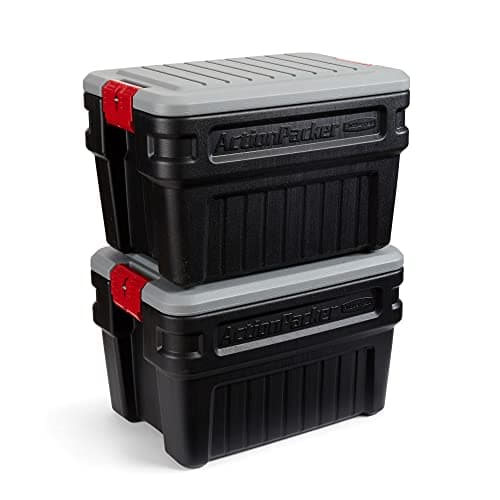
Rubbermaid
A sealed 24 gal box with a padlockable lid. Everything you pack in leaves with you, and it has to live somewhere overnight.
#ad how this is funded · price as of October 23, 2026
Camping on public land outside a developed campground, generally on National Forest or Bureau of Land Management land. It is usually free and usually limited to around 14 days in one spot, with no water, toilets, bins, table or ranger.
On much National Forest and BLM land, yes, subject to local rules that vary by district. National Parks are the main exception, where it is normally restricted or requires a permit. Check the specific district's own page for current fire restrictions and seasonal closures.
Use an existing site wherever one exists - a spot already camped on concentrates impact rather than spreading it. Otherwise camp on durable ground at least 200 ft from any water source, out of drainages and hollows, and not blocking a road or gate.
All your water plus a reserve, a trowel or portable toilet with pack-out bags, sealed bags for every scrap of rubbish, and self-sufficiency in place of a ranger. File your plan with somebody at home, with road numbers and a return time.
Every figure on this page comes from a published source. We have not tested this gear, so the numbers are the manufacturer's or the standard body's, not ours. How we research.