This is the question beginners are most embarrassed to ask and the one that most often decides whether somebody enjoys camping. It has straightforward answers.
Trail & Tarp earns a commission from qualifying purchases made through links on this page, at no extra cost to you. Full disclosure.
Know which kind of site you have booked
The short answer
Check the facilities before you book, not after you arrive. “Developed” campgrounds normally have flush toilets and often showers; “primitive” or “rustic” sites usually mean a vault toilet and no running water; dispersed camping means nothing at all and you are responsible for everything. Those three words appear on almost every campground listing and they are the single most useful thing on the page.
Site type
What you get
What to bring
Developed campground
Flush toilets, often showers and sinks
Shower shoes, a towel, your own toilet paper as backup
Rustic / primitive
Vault or pit toilet, no running water
Toilet paper, hand sanitizer, a water container
Walk-in or hike-in
Sometimes a vault toilet, often nothing
A trowel, bags, hand hygiene kit
Dispersed / boondocking
Nothing
A full system: trowel or portable toilet, pack-out bags, water
Read the listing for these words. They tell you everything about what to pack.
Two practical notes about developed sites. Toilet paper runs out, so carry a roll of your own in a zip bag whatever the listing promises. And pitch away from the toilet block: it generates foot traffic all night, which is one of the site-choice rules in how to sleep better in a tent.
Going outdoors, where that is the arrangement
Leave No Trace guidance for human waste in most inland areas is the cathole: dig 6 to 8 in deep and 4 to 6 in across, at least 200 ft — about 70 adult paces — from water, camp and trails. Use it, then fill the hole and disguise it.
Two things that have changed in recent years and catch people out. Toilet paper should be packed out rather than buried in many areas, because it does not break down as advertised. And in high-use, alpine, desert and river-corridor areas the rules increasingly require packing out solid waste entirely in a supplied or commercial system — the land manager's page will say so, and it is not optional. We do not publish public health guidance; the Leave No Trace and agency pages linked below are the authority.
A lightweight trowel is the tool, and it weighs about an ounce. Digging a cathole with a boot heel or a tent stake is how you end up with a hole that is too shallow.
Handwashing is the part that actually prevents illness
Most camping stomach upsets are not from bad water; they are from hands. The CDC's guidance is soap and water for at least 20 seconds, with hand sanitizer containing at least 60% alcohol as the alternative when water is not available. At a campsite that means a dedicated handwashing station: a water container with a tap, soap, and a towel, set up near the kitchen and near the tent, before anything else gets unpacked. It is the single highest return item on this page.
The handwashing setup, in three items
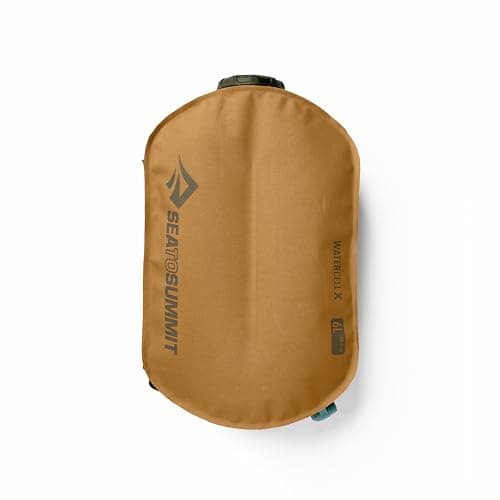
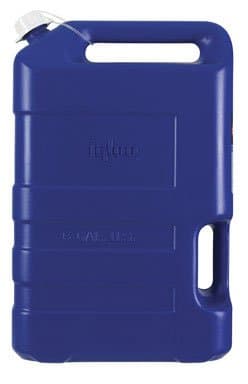
A container with a tap you can operate hands-free is the core of it. A Sea to Summit Watercell X 20L publishes 335 g with welded lash points and a variable-flow cap, which is designed to hang from a branch or a canopy leg — exactly the hands-free arrangement you want. A rigid 6 gallon jug with its pull-up vent does the same job on a table.
Add biodegradable soap and a small towel and you are done. Keep this container separate from the drinking water, label both, and use the washing container for the two-basin dishwashing method as well. The water arithmetic that covers all of this is in how much water do you need camping.
Portable toilets, and whether you need one
Three categories, in increasing order of commitment:
A bucket-style toilet with a snap-on seat and a lined bag. Cheap, light, packs inside itself, and it doubles as a bucket for everything else on the trip. This is what most people should start with.
A folding-frame toilet using bagged liners with a gelling agent. More comfortable, still light, no chemicals, and the waste is bagged for disposal in a normal bin where permitted.
A flush-style cassette toilet with a freshwater tank and a sealed waste tank. Genuinely comfortable, heavy, and it needs a dump station — realistically a vehicle-camping or van purchase.
Whichever you use, privacy is the other half. A pop-up privacy shelter goes up in seconds and doubles as a changing room and a shower cubicle. And check the disposal rules for your destination first: some sites require gelled bagged waste to go to a specific facility, and none of them want it in a fire ring or a vault toilet designed for a different system.
Showers, and living without one
Two nights without a shower is genuinely fine. Beyond that, a wash kit does most of the work: a flannel, biodegradable soap, and warm water from the kettle in a basin, done in a privacy shelter or a tent.
A solar shower bag or the shower fitting on a Watercell is the upgrade — best camping showers compares the four mechanisms — but note that all washing, including soap on skin, belongs at least 200 ft from any water source, and the greywater gets scattered rather than poured in one spot. Biodegradable soap is not harmless in a stream; it is harmless in soil. The same disposal logic covers dishwashing, in how to wash dishes at a campsite.
The small kit that makes all of this easy
Keep one bag, in a known place, containing: toilet paper in a zip bag, hand sanitizer, biodegradable soap, a trowel, waste bags, wet wipes, a small towel, and a headlamp. Everyone in the group should know where it lives.
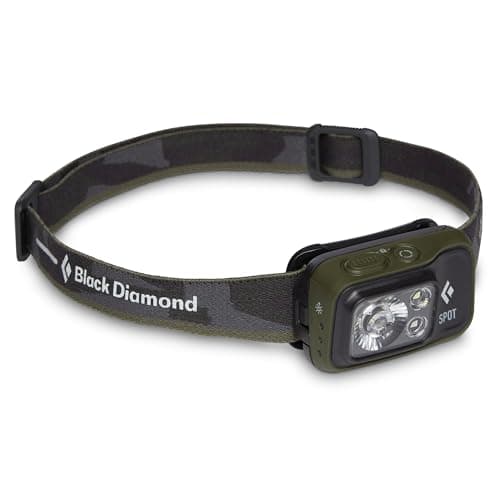
The headlamp matters more than it sounds: the 2am walk to the toilet block is the single most common reason people lie awake being uncomfortable rather than dealing with it. A Black Diamond Spot 400 publishes 400 lm high and 200 hours at low on AAA cells, which is far more than the job needs. Pack one per person and keep them within reach of each sleeping bag — that habit is also in family camping with kids.
The gear this page points to
Sea to Summit Watercell X, 20L
Sea to Summit
335 g with welded lash points and variable-flow cap. Hung from a branch it becomes the hands-free handwashing tap, and it converts to a shower.
Read the listing. Developed campgrounds normally have flush toilets and often showers; rustic or primitive sites usually mean a vault toilet and no running water; dispersed camping means nothing at all. Carry your own toilet paper regardless, because it runs out.
QHow do you go to the toilet when camping with no facilities?
Leave No Trace guidance for most inland areas is a cathole 6 to 8 in deep and 4 to 6 in across, at least 200 ft from water, camp and trails. Pack toilet paper out rather than burying it, and check the land manager's rules - many high-use areas now require packing out solid waste entirely.
QWhat is the most important camping hygiene item?
A handwashing station: a water container with a tap you can use hands-free, soap and a towel, set up before anything else. Most camping stomach upsets come from hands rather than water. The CDC advises soap and water for 20 seconds, or sanitizer with at least 60% alcohol.
QDo I need a portable camping toilet?
Only for dispersed camping, sites with no facilities, or trips with small children or anyone with mobility needs. Start with a bucket-style toilet and a lined bag - it is cheap, packs inside itself and doubles as a bucket. Check the disposal rules for your destination first.
Sources
Every figure on this page comes from a published source. We have not tested this gear, so the numbers are the manufacturer's or the standard body's, not ours. How we research.