How to Set Up a Tent for the First Time, in the Right Order
Pitch it once at home. That single hour removes almost every way a first camping trip goes wrong, and it costs you an afternoon in your own garden with a kettle nearby.
Trail & Tarp earns a commission from qualifying purchases made through links on this page, at no extra cost to you. Full disclosure.
Do the first pitch at home
The short answer
Pitch the tent in a garden or a park before the trip. You will find the missing stake, the instructions you cannot read in the dark, and the pole that goes in a specific order — all at a moment when none of it matters. It is the highest-value hour in beginner camping and almost nobody does it.
Four things to check while you are there. That every pole section, stake and guy line listed on the packing slip is actually in the bag. That you can identify the fly's front from its back without reading anything. That the fly can be tensioned clear of the inner. And that the tent goes back into its bag — which, on some tents, is a specific fold that is far harder to work out in a wet car park.
Choosing the spot
Site choice decides more about your night than technique does. In order of importance:
Flat. Lie down on the ground before you unpack. What looks level standing up frequently is not.
Not a hollow. The flattest, most inviting patch is often the low point, and the low point is where water goes.
Sheltered, but not under branches. A hedge, bank or your own vehicle upwind is worth a great deal. Large limbs overhead are not.
Away from the taps and the toilet block. Both generate foot traffic all night.
Door facing away from the wind, and away from the sunrise if you would like to sleep past five.
Then clear the ground on hands and knees across the whole footprint, by feel rather than by eye. Ninety seconds of sweeping out cones, sticks and stones protects the floor fabric and removes the thing that will wake you every time you roll over. The rest of the sleep-quality argument is in how to sleep better in a tent.
The assembly order
Step
What to do
Why this order
1
Lay the groundsheet or footprint, slightly smaller than the floor
Stops rain pooling between sheet and floor
2
Unroll the inner tent on top and stake one corner
The tent cannot blow away from this point on
3
Stake the other corners, floor flat rather than stretched
Sets a square footprint before poles go in
4
Assemble poles from the middle outward; push through sleeves
Protects ferrules and stops sections separating inside
5
Raise the poles and clip the inner
The tent has shape but is still adjustable
6
Fly on, correct way round, before anything else
The fly is what most wants to fly away
7
Guy out every attachment point at 45 degrees
The step most people skip and the one that matters
8
Tension until the fly is clear of the inner all round
Contact wicks water straight through
This order works for a dome, a cabin or a backpacking tent. Instant tents collapse steps 4 and 5 into one.
If it is an instant tent, the order changes
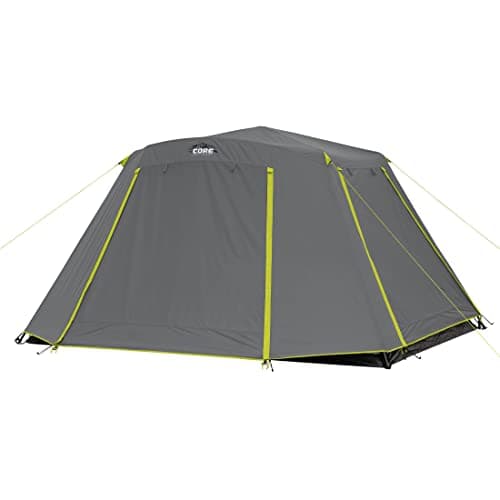
Tents with pre-attached poles — a CORE 6 Instant Cabin publishes setup from 60 seconds — unfold, extend the legs, then stake and fly. There is no threading, which is the whole point. What does not change is staking and guying: a rigid instant tent catches more wind than a low dome, not less. The category trade-offs are in best instant tents for camping.
The five mistakes
Stretching the floor tight before the poles go in. A floor pulled drum-tight leaves no slack for the poles to tension against, and the tent ends up distorted. Lay it flat, not taut.
Using only the four corner stakes. Most tents have eight to twelve attachment points and ship with two guy lines. Use all the points; add cord for the rest.
Putting the fly on backwards. Common, easily done, and it puts the vestibule over the wrong door. Mark the front of the fly with a stitch of colored thread on the practice pitch.
Closing every vent because it is cold. Two people breathing overnight put about a liter of water into a tent. Sealed tents rain on you from the inside — see how to stop tent condensation.
Packing away wet. Forgivable for a day, ruinous for a month. Damp storage is what hydrolyzes a polyurethane coating, and there is no fix for that.
Arriving in the dark
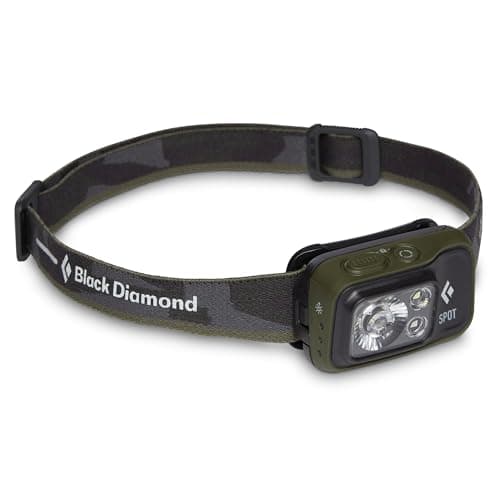
It happens on almost every first trip, and it is entirely manageable if you plan for it. Put a headlamp for every person in the door pocket of the car, not in a bag in the boot — a Black Diamond Spot 400 publishes 400 lm on high and 200 hours at low, which is far more than a pitch needs. Get one light standing on a table or hung from a tree for area light, and keep the headlamps for close work.
Then pitch in the order above without improvising. The reason the practice pitch matters is precisely this moment: you are doing a known sequence rather than solving a puzzle. Add reflective guy line so nobody walks into the lines, and stake before you unpack anything else.
Taking it down
Reverse the order, with one addition: open everything and let the tent air for twenty minutes while you pack the rest of the site. Wipe condensation off the fly with a cloth first — it dries far faster and you will thank yourself at home.
Fold rather than stuff if the tent came folded, brush the floor before rolling, and put poles and stakes in their own bags so they cannot abrade the fabric in transit. Then unpack and dry it properly within a day, using the routine in how to clean and store a tent. What to do when the weather turns while you are pitching is in how to pitch a tent in wind.
The gear this page points to
CORE 6 Person Instant Cabin Tent
CORE Equipment
Setup from 60 seconds with a full rainfly. If the first pitch is the part you are dreading, this is what removes it.
QShould I practice setting up a tent before camping?
Yes, and it is the single highest-value hour in beginner camping. A practice pitch at home finds the missing stake, the instructions you cannot read in the dark and the fold the tent needs to go back in its bag, all at a moment when none of it matters.
QWhat order do you set up a tent in?
Groundsheet, inner tent, stake one corner, then the rest, poles from the middle outward pushed through sleeves, raise and clip, fly on the right way round, then guy out every attachment point at 45 degrees and tension until the fly is clear of the inner.
QHow do you pick a tent spot at a campsite?
Flat first - lie down to check. Avoid hollows, because that is where water collects. Take shelter from a hedge, bank or your vehicle, but not from overhanging limbs. Keep away from taps and toilet blocks, and face the door away from the wind and the sunrise.
QWhat is the most common tent setup mistake?
Using only the four corner stakes. Most tents have eight to twelve attachment points and ship with two guy lines, so the majority of the structure is never tensioned. Guy every point at 45 degrees leaning away from the tent.
Sources
Every figure on this page comes from a published source. We have not tested this gear, so the numbers are the manufacturer's or the standard body's, not ours. How we research.