Trail & Tarp earns a commission from qualifying purchases made through links on this page, at no extra cost to you. Full disclosure.
Pole material is the spec nobody reads
The short answer
Fiberglass poles are cheap and heavy and they splinter. Aluminum alloy poles are lighter, more expensive, and they bend rather than shatter, which means a bent one can often be straightened enough to finish the trip. Steel is for cabin tent legs and canopy frames, where weight is irrelevant. It is the single clearest quality difference between an entry-level tent and a mid-range one, and it is usually stated in one line on the spec sheet.
The practical consequence is what happens at 1am in wind. A fiberglass pole under load splinters into sharp shards that tear the sleeve they are inside, so you lose the pole and the fabric. An aluminum pole bends, stays in one piece, and can be splinted or hand-worked back to roughly straight. Neither is a disaster with a repair splint; only one of them is a disaster without.
Material
Weight
Failure mode
Found on
Repairable in the field
Fiberglass
Heaviest of the three per unit strength
Splinters, tears the sleeve
Entry-level family tents; hub shelters
Splint only, and it may re-split
Aluminum alloy (7000 series)
Light
Bends
Backpacking tents, better family tents
Yes; splint or hand-straighten
Steel
Heavy
Bends, rarely fails
Cabin tent legs, canopy frames
Rarely needed
Composite / pre-attached hubs
Heavy
Hinge or hub failure
Instant tents
No; warranty job
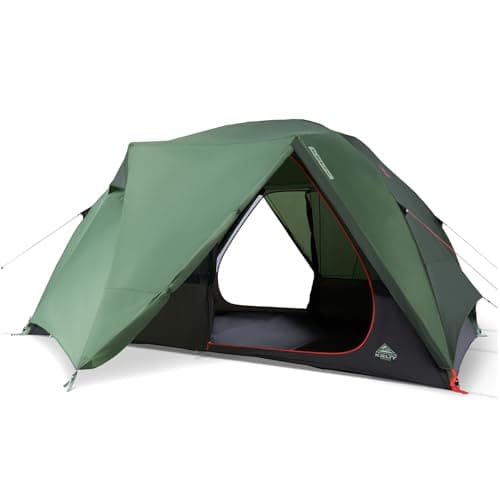
How the four systems behave. Kelty publishes aluminum poles for the Late Start 2P; Kelty publishes 12.5 mm fiberglass mains for the Wireless 6.
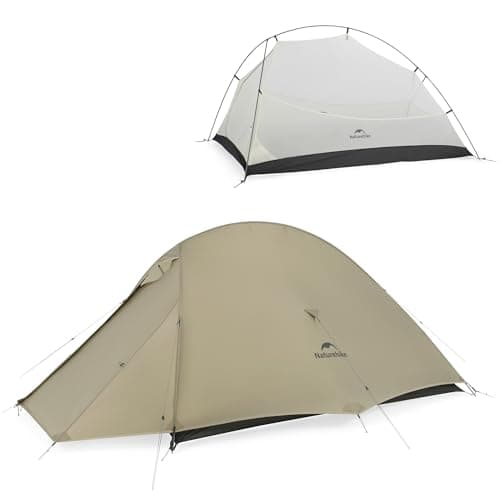
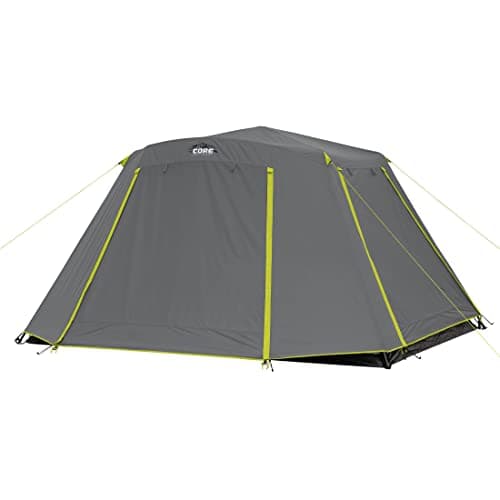
You can see the split across the tents on this site. A Naturehike Cloud Up 2 publishes one-piece 7001 aluminum alloy poles. A Kelty Late Start 2P publishes aluminum. A Kelty Wireless 6 publishes 12.5 mm fiberglass mains — a deliberate cost decision on a 19 lb family tent that nobody carries.
How poles are held together, and why it matters
Almost every sectioned pole is shock-corded: an elastic cord runs down the middle so the sections spring together in order. Two habits protect it. First, assemble from the middle outward rather than letting the sections snap together under full cord tension, which chips the ferrules. Second, push poles through sleeves rather than pulling them, because pulling separates the sections inside the sleeve and jams them.
Shock cord itself goes slack after a few seasons and eventually snaps. It is replaceable with a length of shock cord and an hour, and it is one of the few repairs that makes an old tent feel new.
Stakes: the part almost every tent under-supplies
Tents ship with thin wire pins or short shepherd hooks. They hold on firm turf in still air and fail in almost everything else. Replacing them is the cheapest meaningful upgrade available to a beginner, and stake choice is really ground choice.
Stake type
Best ground
Holding power
Notes
Wire / shepherd hook
Firm turf
Low
What your tent came with; bends easily
Y-stake or V-stake, aluminum
Soft soil, grass, forest floor
High for the weight
The default upgrade; 6-9 in
Nail / pin stake, steel
Hard-packed, rocky, gravel
High
Heavy; will not bend when hammered
Screw or spiral
Loose soil, sand-over-soil
High
Slow to place and remove
Snow / sand stake, wide blade
Sand, snow
Moderate
Better buried sideways as a deadman
Match the stake to the ground, not to the tent. Most sites want a Y-stake.
A set of aluminum Y-stakes covers the majority of campgrounds and weighs almost nothing. Add a few steel nail stakes for hard ground, keep them in a separate small bag, and you have solved staking permanently.
Angle matters more than length
Drive every stake at roughly 45 degrees, leaning away from the tent, so the guy line pulls along the stake's length rather than levering it out of the ground. A stake driven straight down has a fraction of the holding power of the same stake angled properly. This is free, takes no longer, and is the difference between a tent that stands and a tent that is in the hedge. The full sequence is in how to pitch a tent in wind.
Guy lines are part of the pole system
A pole under load is being held in shape by tension, and guy lines are where that tension comes from. A tent guyed only at the corners puts the whole wind load through the pole structure; a tent guyed at every attachment point spreads it into the ground.
Most tents ship with two lines and six attachment points. Fix that with reflective cord and tensioners — reflective, so nobody walks into them at 11pm. Tension until the fly is drum-tight and clear of the inner, which is also what keeps you dry, per how to stop tent condensation.
The field repair, in ninety seconds
A pole repair splint is a short alloy tube slightly wider than your pole, and it turns a broken pole into a working one. Slide it over the break, center it, and wrap both ends tightly with tape. It weighs about an ounce, most tents ship with one in the pole bag, and almost nobody knows it is there.
If yours does not have one, a splint kit costs less than a meal. Carry it with the tent rather than in the general repair bag, and check before each season that the tape has not gone brittle. The rest of the kit that saves trips is in camp gear repair kit essentials.
What poles do not tell you
Pole material says nothing about waterproofing. A tent with excellent aluminum poles and a partial fly will still get you wet, and the fabric rating is a separate specification entirely — the hydrostatic head figure explained in tent waterproof ratings explained. Read both lines on the spec sheet, because they fail in different weather.
The gear this page points to
Naturehike Cloud Up 2 Ultralight Tent
Naturehike
One-piece 7001 aluminum alloy poles. They bend rather than splinter, which is what makes a night in wind recoverable.
Yes, for two reasons. They are lighter for the same strength, and they bend rather than splintering, so a damaged pole usually stays in one piece and can be splinted or straightened. Fiberglass shards also tear the pole sleeve on the way out.
QWhat tent stakes should I buy?
Aluminum Y-stakes or V-stakes for most campgrounds - they hold far better than the wire pins tents ship with and weigh almost nothing. Add a few steel nail stakes for hard-packed or rocky ground. In sand or snow, bury an anchor sideways instead.
QHow do you repair a broken tent pole?
With a pole repair splint: a short alloy tube slightly wider than the pole. Slide it over the break, center it and tape both ends tightly. Many tents ship one in the pole bag; if yours did not, a splint kit weighs about an ounce.
QWhy should you push tent poles through sleeves rather than pull them?
Pulling separates the shock-corded sections inside the sleeve, and the loose ends jam or tear the fabric. Pushing keeps the sections seated. Assemble from the middle outward too, rather than letting the sections snap together under full cord tension.
Sources
Every figure on this page comes from a published source. We have not tested this gear, so the numbers are the manufacturer's or the standard body's, not ours. How we research.