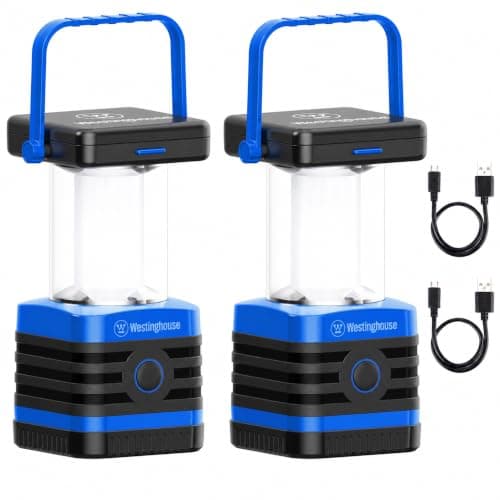
Coleman OneSource 1000-Lumen Rechargeable Lantern
Coleman
1,000 lumens on high for setting up in fading light, 50 on low for the rest of the evening.
$45.46 · Check price on Amazon
#ad how this is funded · price as of October 23, 2026
A weekend is 48 hours, and packing badly costs six of them. Everything here is aimed at getting more of the weekend into the weekend.
Trail & Tarp earns a commission from qualifying purchases made through links on this page, at no extra cost to you. Full disclosure.
The short answer
A two-night trip is about 48 hours, of which four to six go on driving, three on setting up and packing down, and however long the packing took at home. The whole craft of weekend camping is compressing those fixed costs so the weekend is the trip rather than the logistics. Two things do almost all of that work: gear that lives packed, and a site within about ninety minutes.
The ninety-minute rule is the one people resist and then adopt permanently. A site three hours away sounds twice as adventurous and is four times the cost in a weekend: six hours of driving out of 48, a Friday arrival after dark, and a Sunday that starts with packing at ten. A closer, plainer site you can reach at 6pm on Friday and leave at 4pm on Sunday gives you a genuine two nights.
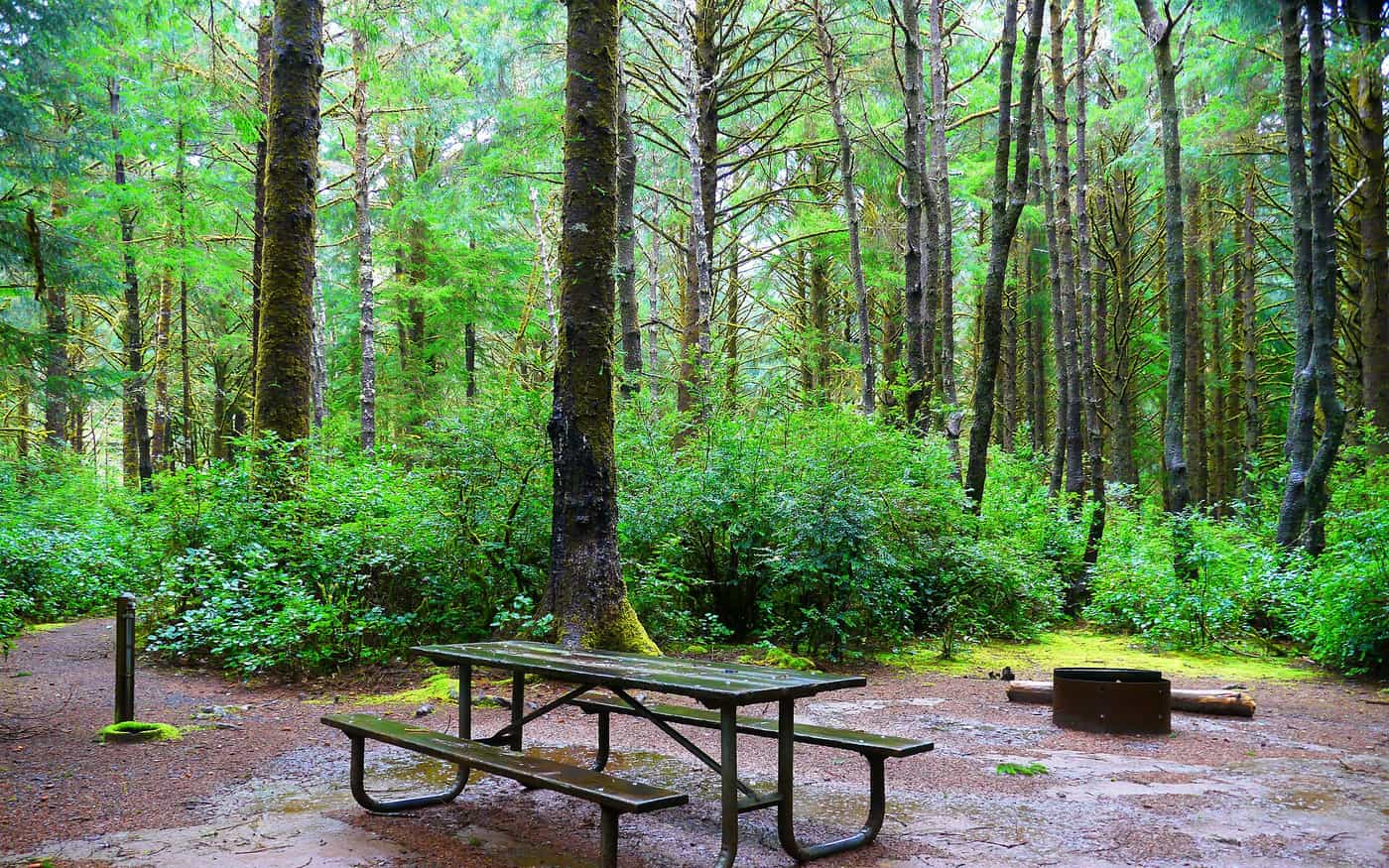
Popular sites book up for summer weekends months ahead, and the good pitches go first. When you book, check three specifics that decide how the weekend actually feels:
If your gear lives in labeled bins that stay packed, the pre-trip list is only two things: food, and clothes. That is the entire argument for the bin system, and it converts packing from a two-hour job into a fifteen-minute load.
Plan meals precisely rather than approximately. A weekend is five meals — Friday dinner, Saturday breakfast, lunch and dinner, Sunday breakfast — plus snacks, and naming each one in advance is what stops you buying for a week and throwing half of it away.
| Meal | The principle | Why |
|---|---|---|
| Friday dinner | Cooked at home, reheated in one pot | You arrive tired, possibly in the dark |
| Saturday breakfast | Something that needs one pan | Nobody wants complexity before coffee |
| Saturday lunch | No cooking at all | Cooking twice in daylight eats the day |
| Saturday dinner | The proper meal, the one you came for | It is the only meal with time around it |
| Sunday breakfast | The leftovers, plus coffee | Everything else is being packed |
Aim to be on the pitch an hour before sunset. Pitching a tent in the dark with tired children is the experience that puts families off camping, and it is entirely avoidable. If you cannot leave until late, either book a site twenty minutes away or accept a Saturday-morning departure and plan a one-night trip properly.
Set up in this order: tent first, then beds inside it, then lights, then the kitchen. Beds before dinner is the part people get wrong — putting sleeping bags out while it is light means nobody is inflating a pad by headlamp at 10pm, and the tent is ready the moment anyone is. The layout logic is in how to set up a comfortable campsite.
Then eat something you cooked at home. Chili, a curry, a pasta sauce — anything that goes from a box to a pot to a bowl in fifteen minutes. Friday night is not the night for cooking.
The Friday box
Keep one small box or bag with everything needed for the first hour on the pitch: mallet, headlamps, the tent, a lantern, matches, a bottle of water and the reheat meal. It goes in the car last so it comes out first, and it means the tent is up before anybody has to dig through three bins in fading light. This one habit does more for a Friday evening than any piece of gear.
The temptation is to fill it. The better plan is one thing: a walk, a lake, a town, a castle. One thing, done properly, with time to sit around afterward. Two things means a day of driving between them and a rushed dinner.
Do the day out in the morning and be back by mid-afternoon. That leaves the best part of the day — late afternoon into evening, when the light is good and the site is quiet — for being at the campsite, which is the thing you came to do. Coming back at seven and cooking in the dark inverts it.
Take a daypack rather than the whole kit: water, layers, snacks, a first aid kit, and a shell regardless of the forecast.
Start with the things that need to dry. Get the tent fly open and the sleeping bags out on chairs while you have breakfast, because a tent packed dry is a tent you do not have to deal with on Monday evening — and packing it damp is what destroys tents.
Pack in reverse order of setup: kitchen, then beds, then tent last. Do a proper sweep of the pitch before the tent comes down, because pegs and small items disappear into grass and you will not find them once the tent is folded over them. Then walk the pitch once more, looking for litter that is not yours as well as litter that is.
Leave in the early afternoon. A Sunday that ends at 4pm with everything unpacked is a weekend; one that ends at 9pm with a wet tent in the hall is a reason not to go again.
Twenty minutes on Monday evening is what makes the next trip possible. Dry the tent properly, air the sleeping bags before they go back in the bin loose rather than compressed, restock the first aid kit, replace whatever ran out, and note the one thing that annoyed you. Fix that one thing before the next trip and the system improves every time you use it.
If this is your first weekend, the car camping guide covers the fundamentals and the car camping checklist prints cleanly for the fridge door.
Coleman
1,000 lumens on high for setting up in fading light, 50 on low for the rest of the evening.
#ad how this is funded · price as of October 23, 2026
CORE Equipment
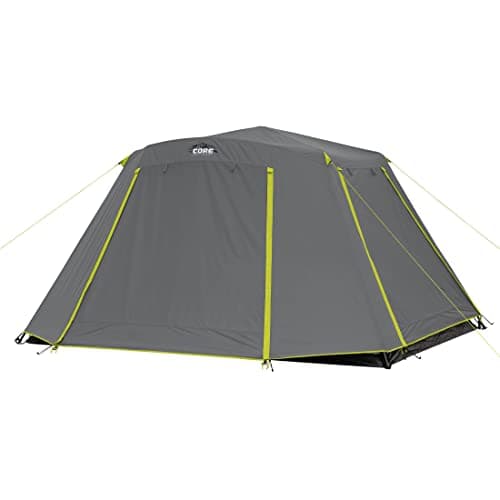
Pitches from 60 seconds, which is the whole argument for an instant tent on a Friday arrival.
#ad how this is funded · price as of October 23, 2026
GCI Outdoor
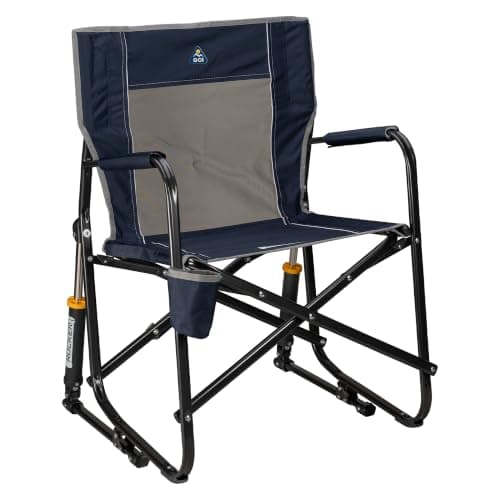
The Saturday evening chair. Back support is what decides whether people stay outside after dinner.
#ad how this is funded · price as of October 23, 2026
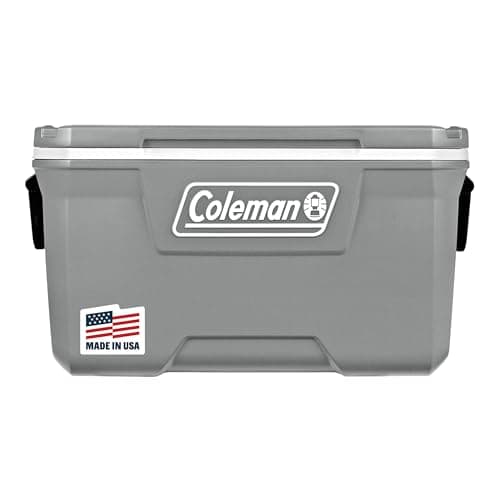
Coleman
A cooler that holds through two nights, so Friday's cooked meal and Saturday's dinner both survive the trip.
#ad how this is funded · price as of October 23, 2026
About ninety minutes each way is the practical limit for two nights. A site three hours away costs six hours of a 48 hour weekend and usually means arriving after dark on Friday and packing from mid-morning on Sunday.
Plan five meals precisely: a Friday dinner cooked at home and reheated in one pot, a one-pan Saturday breakfast, a no-cook Saturday lunch, the proper meal on Saturday evening, and leftovers plus coffee on Sunday.
Tent first, then beds inside it, then lights, then the kitchen. Laying out sleeping bags while it is still light is the step people skip and regret, because nobody wants to inflate a pad by headlamp at 10pm.
Open the tent and put sleeping bags out to dry while you eat breakfast, then pack in reverse order of setup: kitchen, beds, tent last. Sweep the pitch for pegs and small items before the tent comes down, not after.
Every figure on this page comes from a published source. We have not tested this gear, so the numbers are the manufacturer's or the standard body's, not ours. How we research.