How to Pack a Car for Camping So the Right Things Come Out First
Loading a car is a last-in, first-out problem. Pack it in the order you will need things and the pitch sets itself up. Pack it by size and you unload the whole car in the dark.
Trail & Tarp earns a commission from qualifying purchases made through links on this page, at no extra cost to you. Full disclosure.
Pack in reverse order of need
The short answer
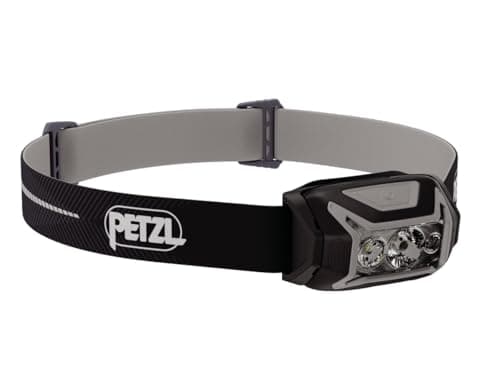
Last in, first out. The tent, mallet, headlamps and the first meal go in last, so they come out first. Everything you will not touch until Saturday goes in first, at the bottom and the front. The alternative is standing in fading light unloading a whole car onto wet grass to find the tent poles, which is the single most common camping-trip argument.
This works properly only if the gear is already in labeled bins, because a bin is a unit you can order. Loose bags of unrelated stuff cannot be sequenced — the thing you need is always in the one at the bottom.
The loading order
Order in
What
Where
1. First in
Sleep bin, spare clothes, anything for Saturday
Bottom and front of the boot
2.
Camp bin: chairs, table, tarp, lights
Middle, heavy items low
3.
Kitchen bin, then the cooler
Cooler last of these, and level
4.
Water containers, fuel
Upright, secured, fuel away from heat
5. Last in
Tent, mallet, headlamps, Friday meal
On top, by the tailgate
A loading order that unpacks itself in the order you need it on the pitch.
Keep the heaviest items low and as far forward as possible, over or ahead of the rear axle. Weight high and behind the axle makes a car handle noticeably worse, particularly in crosswinds and on motorway junctions, and it is the most common way a fully loaded family car feels wrong to drive.
An unsecured load is the real hazard
In a 30 mph emergency stop, an unrestrained object continues forward at 30 mph. A 24 lb cooler on the back seat becomes something with the momentum of a small motorcycle, traveling toward the people in front of it. Load below the height of the seat backs wherever possible, and use a cargo barrier, a net or ratchet straps through the boot's anchor points for anything above it. Never stack anything hard or heavy on a rear parcel shelf.
The cooler is a special case
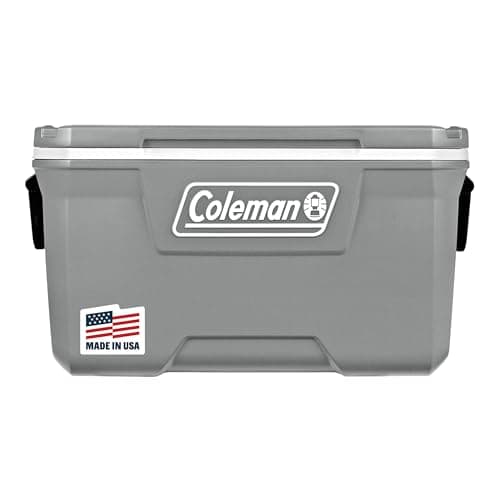
It wants to be the last thing packed and the first thing shaded, and it needs to sit level so meltwater does not pool against food. Keep it out of direct sun through the car window — the inside of a parked car in summer is dramatically hotter than the air outside, and a cooler that would hold ice for days loses much of that in one hot afternoon of driving with the sun on it.
A roof box adds real capacity and costs you fuel and stability. The honest trade:
Fuel. A loaded roof box adds meaningful aerodynamic drag at motorway speeds. Take it off between trips rather than leaving it on all summer.
Handling. Weight on the roof raises the center of gravity, which is felt most in crosswinds and quick lane changes. Put light and bulky items up there — sleeping bags, chairs, empty bins — and keep dense items in the car.
Limits. Every car publishes a roof load limit in its handbook, usually 165 to 220 lb including the bars and the box itself. It is lower than people assume and it is not a suggestion.
Height. Write the new height on a note by the driver's seat. Height barriers at car parks and campground entrances are unforgiving.
A soft roof bag is the cheap version and works, provided everything inside it is in dry bags — “water resistant” roof bags leak at the seams and zips in sustained motorway rain, and a soaked sleeping bag on arrival ruins a weekend.
Making it fit in a small car
Most family camping kit was bought without reference to the car it has to travel in, and the fixes are all about shape rather than volume:
Choose flat over deep. Two low bins stack under a parcel shelf where one tall one does not. This is why the shorter storage boxes are worth checking against your own boot before buying.
Fill the voids. Soft items — sleeping bags, clothes, towels — go into footwells and gaps between bins, not into their own boxes. Anything compressible is packing material.
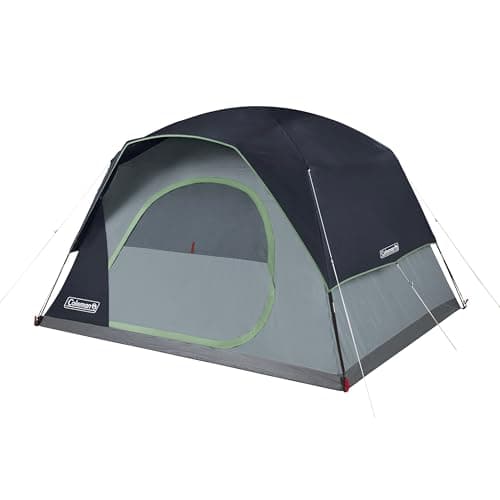
Reconsider the tent. Instant tents pitch fast and pack long: a 9-person instant is 40 lb in a bag around 48 in long, which does not fit across a small boot at all. A dome tent of the same capacity packs far smaller.
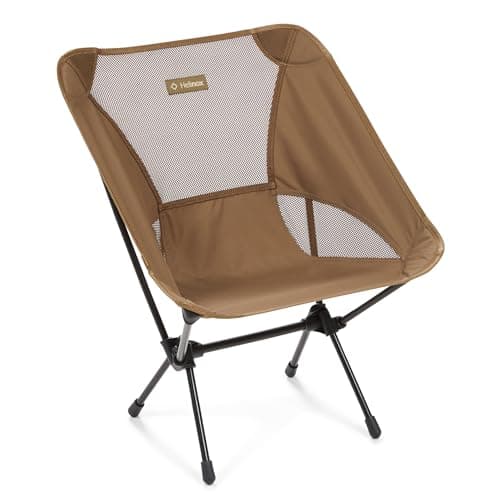
Reconsider the chairs. Four full-size camp chairs is a large fraction of a small boot. Compact folding chairs such as the Helinox Chair One pack to a fraction of the size, and on a trip where the alternative is leaving something behind, that trade is worth making.
What rides in the cabin
Keep a small bag within reach with the things you would hate to unpack the boot for: water, snacks, the first aid kit, phone chargers, waterproofs, a torch, sunglasses, and any medication. Waterproofs in particular, because the moment you need them is the moment you have pulled over in the rain.
Fuel canisters ride upright, secured, and never in a hot cabin in direct sun. Do not leave gas cartridges in a parked car in summer heat, and keep them out of sealed bins — that rule is in best gear storage bins for the same reason.
Unload in the same order you loaded
Tent out first, up before anything else comes out of the car. Then beds, then lights, then the kitchen. Resist the urge to empty the whole car onto the pitch — a half-unloaded car is a locked, dry, midge-free store cupboard, and there is no reason for Saturday's clothes to be sitting on wet grass on Friday night.
Then reverse it on Sunday, packing the tent last so it has the longest to dry. The whole weekend timeline is in the weekend camping trip guide.
The gear this page points to
Coleman Classic 70-Quart Cooler
Coleman
The cooler goes in last, level, and out of direct sun through the window: a hot drive costs a meaningful share of its ice retention.
In reverse order of need. Everything for Saturday goes in first at the bottom and front, then the camp bin, then the kitchen bin and cooler, then water and fuel, and finally the tent, mallet, headlamps and the first meal on top by the tailgate.
QHow do you secure a load in a car for camping?
Keep heavy items low and forward of or over the rear axle, load below the height of the seat backs where possible, and strap anything above that through the boot's anchor points. In an emergency stop an unrestrained cooler carries the momentum of a small motorcycle.
QIs a roof box worth it for camping?
For capacity, yes. It costs fuel through aerodynamic drag and raises the car's center of gravity, so put light bulky items up there and keep dense ones inside. Check your car's published roof load limit, which is usually 165 to 220 lb including the bars and box.
QHow do you fit camping gear in a small car?
Choose flat bins over deep ones so they stack under a parcel shelf, use soft items as packing material in the voids, and check packed sizes before buying: an instant tent packs into a bag around 48 inches long, while a dome tent of the same capacity packs far smaller.
Sources
Every figure on this page comes from a published source. We have not tested this gear, so the numbers are the manufacturer's or the standard body's, not ours. How we research.