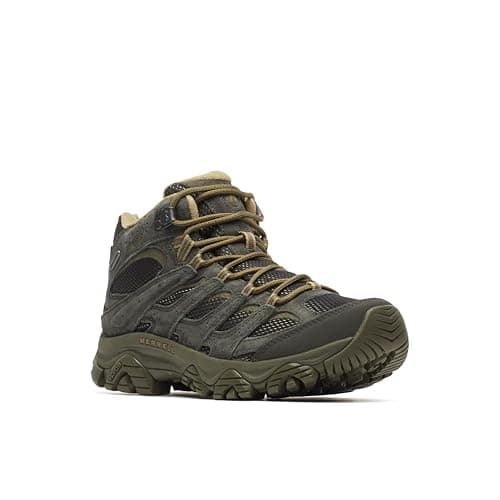
Merrell Moab 3 Mid Waterproof
Merrell
An M Select DRY membrane is exactly the construction a fire delaminates. Insoles out, stuffed, room temperature, always.
$174.95 · Check price on Amazon
#ad how this is funded · price as of October 23, 2026
Nothing dries at a campsite. What you can do is manage water: keep one set dry, get the water out of everything else mechanically, and let airflow do the rest.
Trail & Tarp earns a commission from qualifying purchases made through links on this page, at no extra cost to you. Full disclosure.
The short answer
Keep one complete set of clothing that never gets worn during the day: base layer top and bottoms, dry socks and a hat, kept in a dry bag and only worn in the sleeping bag. Damp clothes in a sleeping bag will keep you cold all night whatever the bag is rated to. Everything else on this page is about the clothes you are prepared to have wet.
This costs nothing and it is the single most effective thing in cold, wet camping. Damp fabric moves heat away from skin roughly twenty times faster than dry fabric, so a person in damp clothes inside a good bag is colder than a person in dry clothes inside a mediocre one. The underlying mechanism is in why you get cold in a sleeping bag.
Evaporation is slow and it needs energy you do not have. Removing liquid water physically is fast and free, and it is the step people skip.
For boots, the equivalent is stuffing. Newspaper, paper towel or a dry cloth pushed into the toe box wicks water out of the lining far faster than air can reach it. Change the stuffing after an hour and again before bed.
| Method | How it works | Risk |
|---|---|---|
| Line in a breeze, in sun if available | Moving air carries vapor away | None; this is the best method |
| Hung under a tarp on a wet day | Airflow without more rain landing on it | Slow, but safe |
| Inside your sleeping bag with you | Body heat drives moisture out of small items | Only for socks and base layers, and it costs you warmth |
| Well back from a fire, turned often | Radiant heat speeds evaporation | Scorching, melting and shrinkage; high risk |
| Directly over a fire or on a stove | Fast | Ruins the item. Do not |
A line strung between two trees or across a tarp is the whole system, and it is worth carrying a light clothesline for it. Hang things spread out, not bunched, and turn them once or twice.
Never dry boots by a fire
Heat is what destroys footwear. Leather dries out, cracks and loses its shape; adhesives that hold soles on soften and let go; midsole foams deform; and a waterproof membrane can delaminate. Merrell publishes an M Select DRY membrane in the Moab 3 Mid Waterproof, and that is exactly the kind of construction a fire ruins. The same applies to a radiator at home. Room-temperature air and stuffing, always.
Accept that boots may not fully dry overnight. That is what a second pair of camp shoes is for — anything light with a closed toe, worn around the site while the boots recover. It also stops you walking mud through the tent.
Synthetics dry fastest by a wide margin, which is the main reason a non-woven laminate shell or a synthetic base layer is forgiving on a wet trip. Merino dries more slowly but keeps feeling warm while damp, which matters more than the drying speed for a garment against skin. Down loses its loft entirely when wet and is the one thing that genuinely must be kept dry — the comparison is in down vs synthetic sleeping bags.
Cotton does not recover in any useful timescale, which is the practical reason it is banned from a camping kit rather than merely discouraged. One pair of cotton jeans soaked on the first morning is dead weight for the rest of the trip.
Three habits. Keep a shell at the top of the pack rather than the bottom, so it goes on before you are wet rather than after — a Marmot PreCip Eco publishes 10.1 oz, which is light enough that there is no excuse for it being buried. Keep wet gear in the vestibule and dry gear inside the tent, and never mix the two. And carry a dry bag for the sleep set, which is the one thing on the list that cannot be allowed to fail — see best dry bags for camping.
Everything comes out of the car the same day. Boots get stuffed and left at room temperature for a day or two; base layers get washed and line dried; shells get washed with technical wash and reproofed if they have stopped beading, per how to wash and reproof a rain jacket. Nothing goes into a bag or a bin damp, which is the same rule that governs tents and sleeping bags and for the same reason.
Merrell
An M Select DRY membrane is exactly the construction a fire delaminates. Insoles out, stuffed, room temperature, always.
#ad how this is funded · price as of October 23, 2026
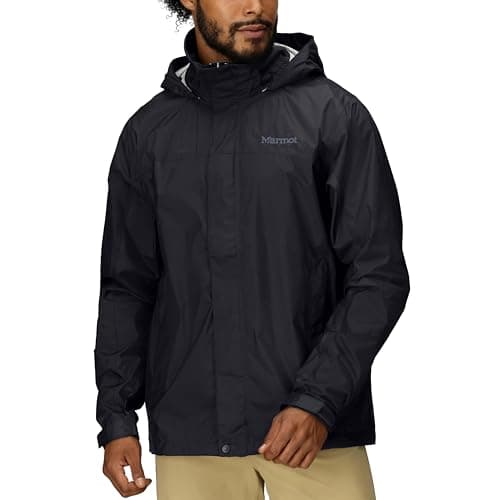
Marmot
10.1 oz at 10,000 mm waterproof. Light enough that it should live at the top of the pack, not the bottom.
#ad how this is funded · price as of October 23, 2026
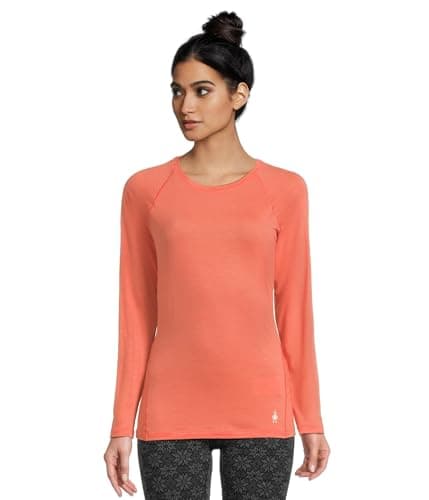
Smartwool
150 g/m2 merino. Slower to dry than synthetic and still warm while damp, which is the trade that matters next to skin.
#ad how this is funded · price as of October 23, 2026
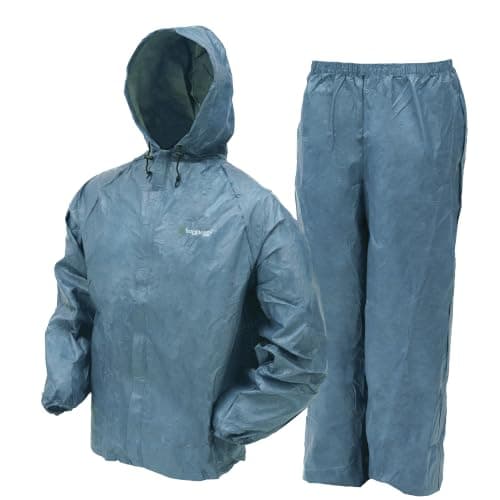
Frogg Toggs
A non-woven laminate that barely absorbs water at all, which is why it recovers faster than anything else on a wet trip.
#ad how this is funded · price as of October 23, 2026
Remove the water mechanically first - wring hard, then roll the garment in a dry towel and stand on it - then hang it in moving air. Evaporation is slow and needs energy; physically squeezing the water out is fast and free.
No. Heat cracks leather, softens the adhesives holding soles on, deforms midsole foams and can delaminate a waterproof membrane. Take the insoles out, stuff the toe box with paper, open the boots wide and dry them at room temperature under cover.
Wring and towel-press them first, then put them inside your sleeping bag near your torso. Body heat will dry small items overnight, at some cost to your own warmth. Never rely on this for a whole day's clothing - keep a dry set that is never worn during the day.
Because damp fabric moves heat away from skin roughly twenty times faster than dry fabric, so damp clothes in a sleeping bag will keep you cold all night whatever the bag is rated to. A base layer, dry socks and a hat, kept in a dry bag, is free warmth.
Every figure on this page comes from a published source. We have not tested this gear, so the numbers are the manufacturer's or the standard body's, not ours. How we research.