The Best Snow Pants for Winter Camping, Where Kneeling Is the Test
Ski pants are designed for someone standing on skis. A winter camper spends the evening kneeling in snow to pitch a tent and light a stove, which is a different garment problem entirely.
Trail & Tarp earns a commission from qualifying purchases made through links on this page, at no extra cost to you. Full disclosure.
Quick picks
#
Product
Best for
Price
1
Best overall for camping
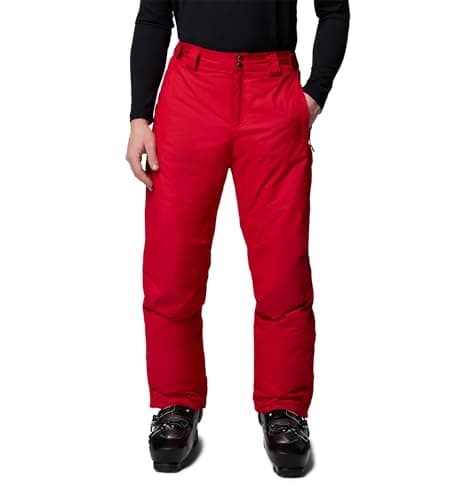
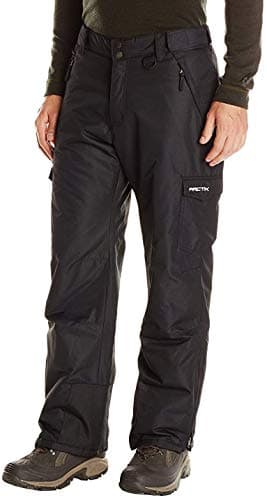
Arctix Snowsports Cargo Pants
85 g of ThermaTech insulation under a 3,000 mm ThermaLock coating with critically taped seams and 600 denier ballistic reinforcement at the ankle, scuff and hem.
Winter campers who want insulation, a real waterproof rating and reinforced hems without spending much
An Omni-Tech waterproof-breathable nylon shell, critically seam sealed, over 60 g Microtemp XF insulation with an Omni-Heat reflective lining and internal leg gaiters.
Wet snow, sustained bad weather, and anyone who has worn out a budget pant
A winter camper kneels in snow to pitch a tent, light a stove and dig a platform, and kneeling puts your body weight through a small area of wet fabric. That is the hardest thing you can ask of a waterproof layer and it is not what ski pants are designed for. Prioritize a sealed membrane over a coating, reinforcement at the knee and hem, and internal leg gaiters. Insulation matters less than you think, because you will be working.
This is the reframing that changes what you buy. A 3,000 mm coating is fine against falling snow and will wet through when you put a knee on it for ten minutes, because hydrostatic head is a measure of resistance to pressure and a kneeling adult generates a lot of it. A sealed membrane with taped seams handles it; the physics is the same as in tent waterproof ratings explained, where a groundsheet needs a far higher rating than a fly.
The second reframing is about heat. Ski clothing assumes you are cold and stationary on a chairlift; winter camping assumes bursts of hard physical work followed by standing still. That argues for a shell that is genuinely waterproof with light insulation, plus a base layer you can adjust, rather than a heavily insulated pant you sweat into.
What to look for
Specification
What to want
Why
Waterproofing type
a sealed membrane over a coating if you kneel
a coating resists falling snow; kneeling applies pressure a coating loses to
Seams
critically seam sealed at minimum
an untaped seam is a hole regardless of the fabric rating
Insulation weight
60 to 85 g for active winter camping
more than that and you sweat into your only dry layer
Internal leg gaiters
yes
they seal to the boot and stop snow packing up the leg
Reinforcement
600 denier at ankle, scuff and hem
that is where boots and crusted snow destroy trousers
Full side zips or a bib
zips if you change often, a bib if you kneel a lot
getting into snow pants over boots is the daily annoyance
What decides whether snow pants survive a winter campsite, rather than how warm they feel in a shop.
Compared on published numbers
Garment
Waterproofing
Seams
Insulation
Reinforcement
Leg gaiters
Arctix Snowsports Cargo Pant
ThermaLock coating, 3,000 mm, DWR
critically taped
85 g ThermaTech, rated -20 to +35 F by activity
600D at ankle, scuff, hem
not published
Columbia Bugaboo V Pant
Omni-Tech waterproof-breathable membrane
critically seam sealed
60 g Microtemp XF, plus Omni-Heat lining
not published
yes, internal
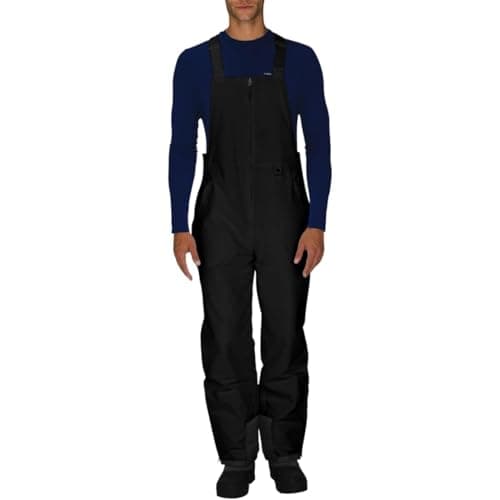
Arctix Essential Insulated Bib
ThermaLock coating
not published
ThermaTech, gram weight not published
600D at ankle, scuff, hem
not published
Figures as published by each manufacturer or its retail listing. Prices on this page carry their own as-of date.
The gaps are real. Arctix publishes a gram weight for the cargo pant and not for the bib, and publishes reinforcement details but not whether either garment has internal gaiters; Columbia publishes the gaiters and the membrane but not the reinforcement. No maker in this price bracket publishes a hydrostatic head figure for the Omni-Tech membrane, which is why the table says "membrane" rather than a number.
Snow pants are not rain pants, and the difference runs both ways
A snow pant is insulated and cut loose over a boot; a rain pant is an uninsulated shell designed to pack into its own pocket. Each is poor at the other's job: a rain pant over a base layer is cold standing still in winter, and an insulated snow pant in a summer downpour is a sauna. The site covers the shell version separately in best rain pants for hiking and camping.
There is a legitimate middle path worth knowing: an uninsulated hardshell pant over a warm base layer is what most experienced winter walkers actually wear, because it is the most adjustable system. That is a more expensive route than anything on this page and it asks you to manage layers actively rather than putting on one warm garment.
The waist and the hem are where winter gets in
Two failures account for most cold, wet winter campers. The first is the waist: a pant that gaps when you bend lets snow down your back, which is why a bib exists and why a jacket with a powder skirt matters. The second is the hem: snow packs up inside a trouser leg as you walk through drifts, melts against your sock, and gives you a wet foot inside a perfectly good boot. Internal leg gaiters fix the second; if your pants lack them, a pair of external gaiters does the same job, and the pant hem goes over the gaiter, never tucked inside.
Which to buy
Buy the Arctix Snowsports Cargo Pant if you want one pair that covers winter camping without much outlay. Eighty-five grams of insulation with a 3,000 mm coating, taped seams and 600 denier reinforcement exactly where boots wear trousers out is the most sensible combination here at the price. This is the one most readers should stop at.
Buy the Columbia Bugaboo V Pant if your winter is wet rather than merely cold, or if you have already wet through a coated pant. A seam-sealed Omni-Tech membrane plus internal leg gaiters is a genuinely better shell, and the 60 g of insulation is enough if you layer underneath rather than relying on the pant.
Buy the Arctix Essential Insulated Bib if you kneel a lot, camp in deep snow, or keep getting snow down your back. Removing the waistband removes the commonest failure in winter clothing. Accept that it is hot to walk in, awkward to get out of in the cold, and that Arctix does not publish its insulation weight.
The picks in full
1. Best overall for camping
Arctix Snowsports Cargo Pants
Arctix
85 g of ThermaTech insulation under a 3,000 mm ThermaLock coating with critically taped seams and 600 denier ballistic reinforcement at the ankle, scuff and hem.
Arctix publishes 85 g of ThermaTech insulation rated for -20 to +35 F depending on activity level, a ThermaLock water-resistant and waterproof 3,000 mm coating, a DWR finish, critically taped seams, and 600 denier ballistic reinforcement at the ankle, scuff and hem. The shell is described as polyester dobby on most listings and as nylon on one.
The 600 denier reinforcement is why this is the camping pick rather than a generic cheap snow pant. The ankle and hem are where a winter camper destroys trousers: crampon points, boot edges, and the constant abrasion of walking through crusted snow. Reinforcing exactly those panels is a design decision that matches how the garment actually fails.
Eighty-five grams is a sensible amount of insulation for camping rather than a generous one, and that is deliberate on Arctix's part. Winter camping involves bursts of hard work — pitching, digging, hauling — and a heavily insulated pant means sweating into your only dry layer. Light insulation plus a base layer underneath is the more controllable system, which is the whole argument of how to layer for camping.
The drawback
Three thousand millimeters is a modest waterproof rating and will wet through under sustained pressure, which is what kneeling is. Listings disagree about whether the shell is polyester or nylon, and Arctix publishes an activity-dependent temperature range rather than a fixed one.
Published specs
Insulation
85 g ThermaTech, rated by Arctix for -20 to +35 F by activity level
Coating
ThermaLock water-resistant and waterproof 3,000 mm
An Omni-Tech waterproof-breathable nylon shell, critically seam sealed, over 60 g Microtemp XF insulation with an Omni-Heat reflective lining and internal leg gaiters.
Columbia publishes an Omni-Tech waterproof-breathable shell in 100% nylon with critically seam-sealed construction, 60 g Microtemp XF insulation on the listings that state a weight, an Omni-Heat reflective lining, adjustable waist tabs, internal leg gaiters and a lower-leg snap gusset.
Internal leg gaiters are the feature worth paying for in a camping context. They are elasticated cuffs inside the hem that seal against the boot, and they stop the specific failure that ruins a winter day: snow packing up inside the trouser leg while you walk through drifts or kneel in powder. A pant without them relies on the hem sitting over the boot, which it does not once you move.
Omni-Tech being breathable as well as waterproof is the other half, and it is the distinction between a membrane and a coating. The Arctix uses a 3,000 mm coating; this is a membrane with seam sealing, which handles sustained wet far better. If your winter is wet snow rather than dry cold, that difference is the purchase.
The drawback
Sixty grams is less insulation than the Arctix at a higher price, so you are buying the shell rather than the warmth. Columbia has renamed the insulation across model years, and retailer listings disagree about the gram weight on newer versions.
Published specs
Shell
Omni-Tech waterproof-breathable, 100% nylon
Seams
critically seam sealed
Insulation
60 g Microtemp XF (newer listings name Microtemp XF II, 85% recycled, without a gram weight)
Lining
Omni-Heat reflective
Features
adjustable waist tabs, internal leg gaiters, lower-leg snap gusset
3. Best shape for camping, because there is no gap at the waist
Arctix Essential Insulated Bib Overalls
Arctix
An insulated bib with ThermaTech insulation and a ThermaLock waterproof coating, with the same 600 denier reinforcement at the ankle and hem.
Arctix publishes an insulated bib overall with ThermaTech insulation, a ThermaLock water-resistant and waterproof coating, and 600 denier ballistic reinforcement at the ankle, scuff and hem. It does not publish a gram weight for the insulation in this model.
A bib removes the waistband, and the waistband is the weak point of every snow pant. Bend over to peg out a guy line and a pant gaps at the back; kneel in powder and snow finds the gap between pant and jacket. A bib has no gap because the garment continues up your chest, which is why the people who work outside in snow all day wear them.
Be honest about the cost. A bib is warmer than you want while hauling gear, and it means removing your jacket to get out of it, which in cold weather and the dark is a real irritation. Buy a bib if your winter camping is static and deep, and a pant if you are moving.
The drawback
Arctix does not publish a gram weight for this model's insulation, so you cannot compare it directly with the 85 g cargo pant. A bib is also hotter to walk in and a genuine nuisance for a toilet stop in the cold.
Published specs
Type
insulated bib overall, no waistband gap
Insulation
ThermaTech; Arctix does not publish a gram weight for this model
You need a waterproof lower layer, and an insulated snow pant is the simplest version of it. Winter camping means kneeling in snow to pitch and cook, which puts body weight through wet fabric - the hardest thing you can ask of a waterproof layer. An uninsulated hardshell over a warm base layer is the more adjustable alternative, and more expensive.
QHow much insulation do snow pants need for camping?
Sixty to eighty-five grams is right for active winter camping - the Columbia Bugaboo V publishes 60 g and the Arctix Snowsports Cargo 85 g. More than that and you sweat into your only dry layer during the hard work of pitching and digging. Add warmth with a base layer underneath, which you can adjust, rather than with a heavier pant.
QIs 3000mm waterproof enough for snow pants?
For falling snow, yes. For kneeling, not really - hydrostatic head measures resistance to pressure, and a kneeling adult generates a lot of it over a small area, so a 3,000 mm coating will eventually wet through. If you kneel a lot, a sealed membrane with taped seams like Columbia's Omni-Tech handles it considerably better.
QAre bibs better than snow pants for camping?
For static, deep-snow camping, yes, because a bib has no waistband to gap when you bend over and nothing for snow to get down. The costs are real: a bib is hotter while hauling gear and you generally have to remove your jacket to get out of it, which is a genuine nuisance in the cold and the dark.
QWhat is the difference between snow pants and rain pants?
Insulation and cut. A snow pant is insulated and cut loose to go over a boot; a rain pant is an uninsulated shell that packs into its own pocket. Each is poor at the other's job - a rain pant is cold standing still in winter, and an insulated snow pant in a summer downpour is a sauna.
How we picked
Everyone else in this category will tell you they tested twenty of these. We have not tested any of them, and we would rather say so than pretend. There is no gear closet here and no test lab.
What we did instead: pulled the published specifications from each manufacturer's own spec sheet or manual, named the standard behind every rating so you can check what it actually promises, did the arithmetic that turns a spec into a decision, and pulled today's real retail price rather than quoting one from memory. Every pick states a drawback, because a list where nothing is wrong with anything is an advert.
The limits of that method, stated plainly: published specs do not capture zipper quality, seam durability, or how a tent behaves at 2am in a storm. Where that matters, we say so on the pick. The full method is here.