Trail & Tarp earns a commission from qualifying purchases made through links on this page, at no extra cost to you. Full disclosure.
Wash merino less than you think
The short answer
Merino resists odor because its fiber structure is inhospitable to the bacteria that cause it, so a wool base layer can be aired overnight and worn again for several days. Every wash is a small amount of wear, so washing less is genuinely how you make it last. Air it inside out overnight, ideally outdoors, and wash it when it is dirty rather than on a schedule.
Synthetics are the opposite. They hold odor-causing bacteria in the fiber and start to smell after one hard day, so they need washing more often — which is one of the practical arguments for merino when you are carrying everything you own. The composition trade-off is in best base layers for camping.
Why merino shrinks, and how to stop it
Wool fibers have overlapping scales along their surface. Heat, agitation and alkaline detergent make those scales open and interlock with each other, and once they have locked together they do not come apart. That is felting, and it is irreversible: the garment is permanently smaller and denser.
Three things cause it, and all three are avoidable. Hot water. Vigorous agitation, especially a long, fast machine cycle. And the wrong detergent — ordinary biological detergents contain protease enzymes that digest protein, and wool is a protein fiber.
Do
Do not
Why
Cold or lukewarm water
Hot water
Heat opens the fiber scales
Gentle or wool cycle
Long, fast agitation
Agitation locks the scales together
Wool-safe or mild detergent
Biological detergent with enzymes
Enzymes digest protein fibers
Turn inside out
Wash with abrasive items
Zips and Velcro pill the surface
Line dry flat or hanging
Tumble dry
Heat and tumbling both felt wool
Nothing
Fabric softener
Coats the fiber and destroys wicking
Icebreaker publishes cold machine wash, no softener, no bleach, no tumble drying and line dry in shade. That is the whole method.
The routine
Turn everything inside out. The inside is what touches skin and carries the oils; the outside is what shows wear.
Close zips and fasten Velcro on anything in the same load, because both shred fine knit.
Cold, gentle cycle, with a wool-safe detergent or a wool wash. Use less than you would for cotton; excess detergent is what leaves residue.
No softener, no bleach, no dryer sheets. All three coat the fiber with water-attracting residue, which is the opposite of what a base layer is for.
Line dry. Heavy wool garments dry flat so they do not stretch under their own weight; light ones hang fine.
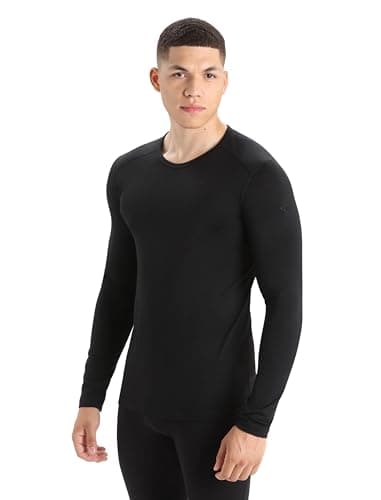
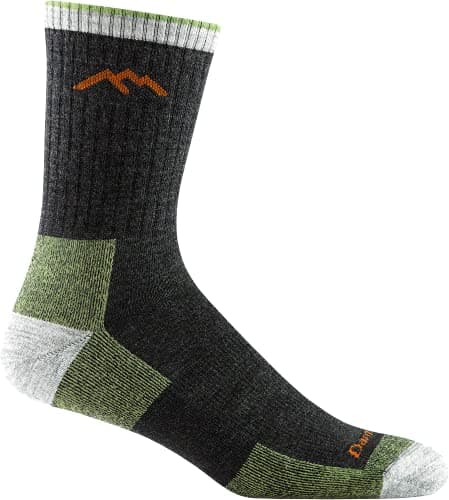
Smartwool publishes machine wash warm on a gentle cycle for its socks, and Icebreaker publishes cold wash and line drying for its 200 Oasis garments. When the two disagree, follow the label on the garment in your hands rather than a general rule.
Holes are not caused by washing
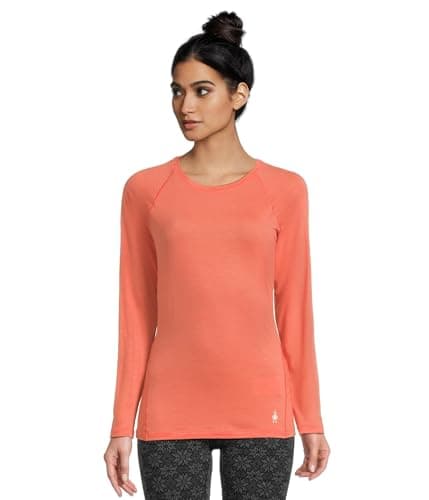
Thin base layers hole at the elbows, cuffs, hems and underarms, and the cause is abrasion rather than laundering — pack straps, backpack hip belts, and the fabric rubbing against itself. Blended fabrics resist it far better than pure wool: Smartwool publishes an 88% merino, 12% nylon composition with a nylon core wrapped in wool for exactly this reason, while a 100% merino garment such as the Icebreaker 200 Oasis trades durability for softness. Neither is wrong; they are different choices.
The other kind of hole: moths
Clothes moths eat protein fibers, and wool stored dirty is what attracts them, because it is the residues rather than the wool itself that draw them in. That makes end-of-season washing the one time you should definitely wash wool, even if it looks clean.
Store it clean, dry and sealed — a zip bag or a lidded box — rather than loose in a drawer over the summer. The same seasonal discipline applies across the kit, in how to store camping gear in the off-season.
Fixing synthetics that smell
Synthetic base layers develop a persistent smell that survives normal washing, because bacteria and body oils lodge inside the fiber rather than on it. Ordinary detergent cleans the surface and leaves the source in place, which is why the smell returns the moment you sweat.
Two things work. A dedicated sport-technical detergent formulated to penetrate synthetic fiber, or a pre-soak in cold water with a cup of white vinegar for half an hour before a normal cold wash. Both need cold water and neither works if you have been using fabric softener, because softener seals the residue in.
Washing at a campsite
On a longer trip you will occasionally need to wash something in the field. Use a bucket or a dry bag as a wash vessel, a small amount of biodegradable soap, and carry the water at least 200 ft from any stream or lake before you start. Scatter the greywater rather than pouring it in one place.
Then wring hard, roll in a towel and stand on it, and hang in moving air — the drying method in how to dry clothes and boots at camp. Merino washed in the field and dried overnight is realistic; cotton is not, which is one more reason it does not belong in a camping kit.
When to retire one
A base layer with a hole at the elbow still works and can be darned. One that has felted and shrunk is finished for its original purpose, though it usually still fits somebody smaller. One that has gone permanently limp and stopped feeling warm when damp has lost its loft and should be replaced.
Less often than you think. Merino resists odor because its fiber structure is inhospitable to odor-causing bacteria, so it can be aired inside out overnight and worn again for several days. Wash it when it is dirty, not on a schedule.
QWhy did my merino base layer shrink?
Felting. Wool fibers have overlapping scales that open with heat and interlock under agitation, and once locked they do not come apart. Hot water, a long fast machine cycle, or a biological detergent containing protein-digesting enzymes will all do it.
QCan you use fabric softener on base layers?
No, on wool or synthetic. Softener coats the fiber with a water-attracting residue, which destroys the wicking that is the entire point of a base layer. It also seals odor residues into synthetics so they cannot be washed out afterwards.
QHow do you get the smell out of synthetic base layers?
Use a sport-technical detergent formulated to penetrate synthetic fiber, or pre-soak in cold water with a cup of white vinegar for half an hour before a normal cold wash. Neither works if fabric softener has been used, because it seals the residue in.
Sources
Every figure on this page comes from a published source. We have not tested this gear, so the numbers are the manufacturer's or the standard body's, not ours. How we research.