How to Waterproof a Tent That Has Started Letting Water In
A tent that leaks after a few seasons has not worn out. It has three specific coatings that wear at different rates, and two of them are refreshable for the price of a takeaway.
Trail & Tarp earns a commission from qualifying purchases made through links on this page, at no extra cost to you. Full disclosure.
Diagnose before you buy anything
The short answer
Water comes in at three places and each has a different fix. Seams leak in a line and are fixed with seam sealer. A fly that soaks through evenly has lost its water repellency and needs reproofing. A floor that lets damp up from below has a failing polyurethane coating and needs re-coating or a groundsheet. And the most common cause of a wet tent is none of these — it is condensation.
Do the diagnosis before spending money. Pitch the tent in the garden and run a hose on it for ten minutes, then crawl in with a torch. Water tracking down from a stitch line is a seam problem. Fabric that darkens and feels clammy across a whole panel is a repellency problem. A wet patch under the groundsheet only is a floor problem. An even film of droplets on the inside of the fly after a still night, with no rain, is condensation and no amount of proofing will change it — that one is in how to stop tent condensation.
Symptom
Cause
Fix
Rough effort
Wet line following a stitch row
Seam tape failing or absent
Seam sealer on the coated side
An hour, plus drying
Whole fly panel wets through
DWR worn off; fabric wets out
Clean, then spray-on reproofer
An hour, plus drying
Damp from beneath the floor
Polyurethane floor coating degrading
Floor coating, or a groundsheet under it
Two hours, plus 24 h cure
Even droplets inside the fly
Condensation
Ventilation, not proofing
Free
Sticky, flaking, sour-smelling coating
Hydrolysis
None. The tent is finished
Replace
Match the symptom before buying a product; three of these five need different chemistry.
Seam sealing, which is the most common real fault
Factory seam tape is a heat-bonded strip on the inside of the fly and floor, and it is the first thing to fail on a tent that has been stored warm or used a lot. It lifts at the edges, goes brittle, and eventually flakes off, and the stitch holes underneath do exactly what holes do.
Pitch the tent so the seams are under tension and you can reach them, and work on a dry day.
Peel off any tape that has already lifted. Partly attached tape traps water against the fabric and stops sealer bonding. If it is firmly stuck, leave it and seal the exposed sections.
Clean the seam with rubbing alcohol on a cloth and let it flash off.
Apply sealer to the coated side — the inside of a fly, the inside of a floor — in a thin, continuous bead worked in with the applicator. Match the chemistry to the fabric: silicone sealer for silicone-treated nylon, polyurethane sealer for PU-coated polyester. Most family tents are the latter.
Let it cure fully, usually overnight, before packing. A tube of seam sealer does a whole tent and keeps for years.
Reproofing the fly
The outer face of a fly carries a durable water repellent finish that makes rain bead. Body oils, smoke, sunscreen and grime kill it, and once the fabric wets out it stays dark, heavy and clammy even though the coating underneath is intact.
Wash first, because dirt is usually the whole problem. Sponge the fly with a technical wash made for outdoor fabric — never household detergent, which leaves water-attracting residue — rinse thoroughly, and check the beading. If it still wets out, apply a spray-on tent proofer to the outer face while the fly is damp, and let it dry fully. The same logic applies to rain shells and is explained at more length in how to wash and reproof a rain jacket.
One test that saves an afternoon: hydrolysis
Rub the coated side of the fly and floor between finger and thumb, then smell it. Clean, slick and odorless is fine. Tacky, flaking, or smelling faintly sour like old books means the polyurethane has hydrolyzed — the polymer has broken down, usually because the tent was stored damp — and no sealer, proofer or coating will fix it. That tent is finished. This is also the first thing to check on any secondhand tent, per how to buy used camping gear.
The floor, and the cheaper alternative
Tent floors take the worst of it: body weight presses fabric into wet ground, and grit abrades the coating from underneath. Floor re-coating products exist and work, but they are the fussiest job on this page — the tent must be spotless, the coat even, and the cure undisturbed for a day.
For most people a groundsheet is the better answer. A footprint or a cut piece of tarp under the floor takes the abrasion instead of the coating, and it costs a fraction of a re-coat. Cut it slightly smaller than the floor so rain running off the fly cannot pool between the two, which is the mistake that makes a footprint worse than nothing. The full argument is in do you need a tent footprint.
What proofing cannot fix
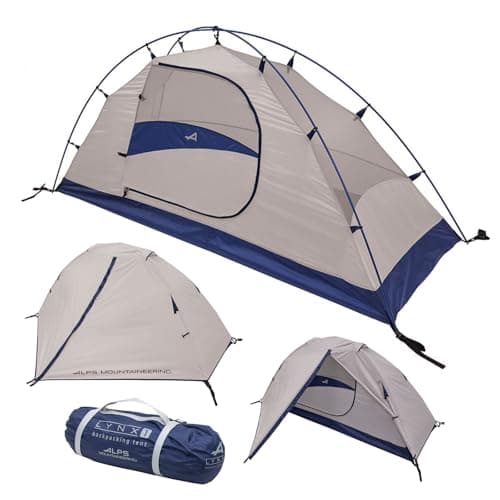
The hydrostatic head rating of the fabric — 1200 mm on a CORE 6, 2000 mm on a Lynx 2 floor — is a property of the coating the tent was made with, and reproofing does not change it. What reproofing restores is the surface repellency, which is what makes the difference between a fly that sheds and one that soaks.
Nor will any product fix a fly that touches the inner tent. Contact wicks water straight through by capillary action and produces a wet patch with no hole anywhere. Tension every guy line until there is an air gap all the way round, which is the single most effective waterproofing action available and costs nothing — see how to pitch a tent in wind.
Keeping it waterproof
Three habits extend a tent's waterproof life more than any product. Dry it completely before storing, every time, even if that means pitching it in a living room for a day. Store it loose in a large bag rather than compressed. And keep it out of prolonged direct sun, which degrades both the coating and the fabric faster than rain ever will. The full routine is in how to clean and store a tent.
The gear this page points to
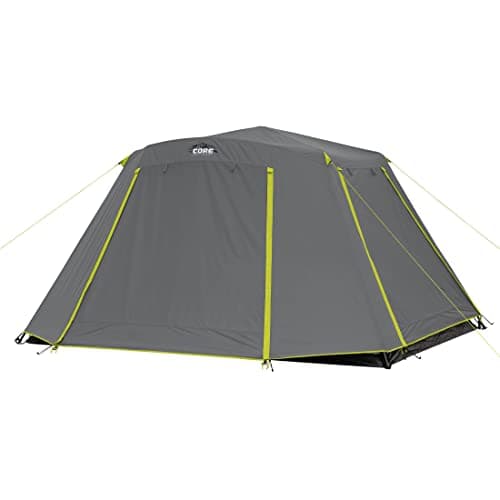
CORE 6 Person Instant Cabin Tent
CORE Equipment
A full rainfly rated 1200 mm. Reproofing restores the surface repellency of a fly like this; it cannot raise the rating the fabric was made with.
Pitch it, run a hose on it for ten minutes and look inside with a torch. Water tracking along a stitch line means the seams need sealing. A whole panel darkening and feeling clammy means the water repellent finish has gone. Even droplets after a dry night are condensation, not a leak.
QWhat kind of seam sealer do I need?
Match the chemistry to the fabric: silicone sealer for silicone-treated nylon, polyurethane sealer for PU-coated polyester. Most family tents are PU-coated polyester. Apply it to the coated side - the inside of a fly or floor - and cure overnight.
QCan you waterproof a tent floor?
Yes, with a floor coating product, but it is fussy work needing a spotless surface and a full day of undisturbed curing. For most people a footprint or cut tarp under the floor is cheaper and more effective, cut slightly smaller than the floor so rain cannot pool between them.
QWhen is a tent beyond repair?
When the coating has hydrolyzed. Rub the coated side between finger and thumb: if it feels tacky, flakes, or smells faintly sour, the polymer has broken down and no sealer or proofer will bond to it. That usually comes from storing the tent damp.
Sources
Every figure on this page comes from a published source. We have not tested this gear, so the numbers are the manufacturer's or the standard body's, not ours. How we research.