Skip to content
Trail & Tarp

Tents

Instant Tent vs Traditional Tent: Which Should a Beginner Buy?

Instant tents trade weight and packed size for a setup measured in seconds. Whether that is a good trade depends almost entirely on what time you arrive at the campsite.

By Sawyer V.Published September 3, 2026Last updated September 3, 2026How we research
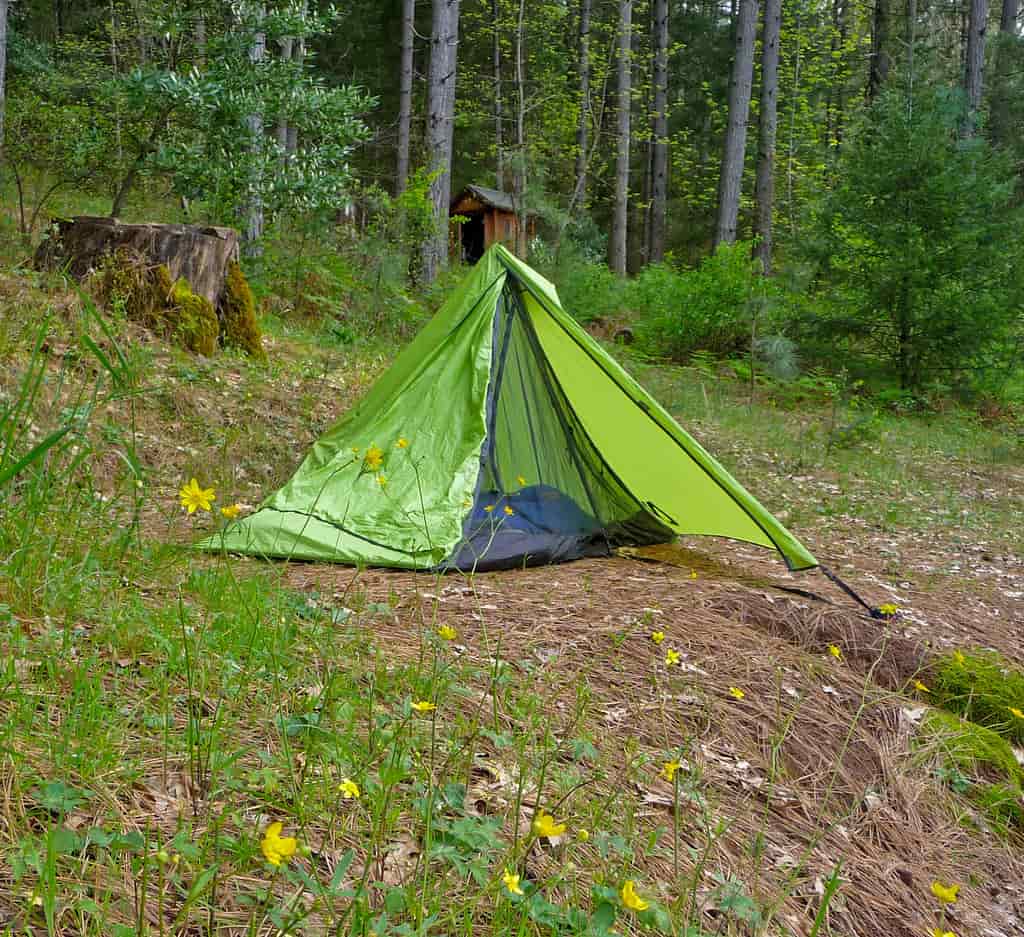
Someone assembling tent poles at a campsite

Trail & Tarp earns a commission from qualifying purchases made through links on this page, at no extra cost to you. Full disclosure.

Quick picks

#ProductBest forPrice
1
No photo

The instant option

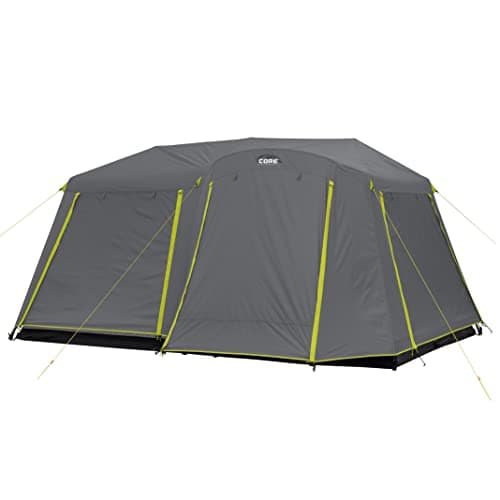
CORE 9 Person Instant Cabin Tent

Poles stay attached; CORE quotes setup from two minutes for 126 square feet of floor.

Late arrivals, big families, quick trips
2
No photo

The traditional option

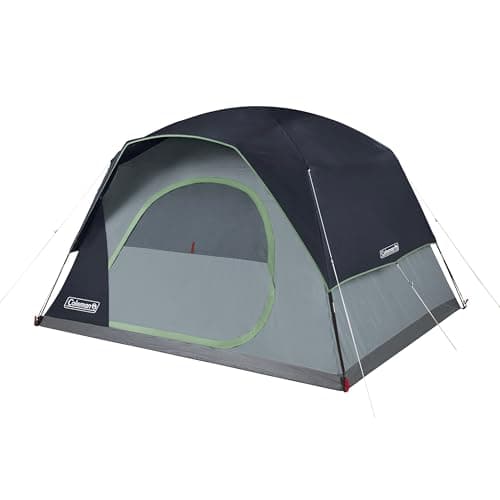
Coleman Skydome 6-Person Tent

85 square feet at about 16.8 lb, with setup Coleman quotes at under five minutes once you know the tent.

Buyers who value pack size and weight

Are instant tents worth it?

The short answer

Yes if you often arrive in the dark, in wind, or with small children; no if trunk space is tight or you want the tent to be repairable in the field. An instant tent keeps its poles attached and pitches in one to two minutes. It costs you roughly double the weight and a packed bag around four feet long: CORE's 9-person is 40 lb packed to 48 in, against about 16.8 lb for a Coleman Skydome 6.

The trade, in published numbers

CORE 9 Person Instant CabinColeman Skydome 6
Floor14 x 9 ft (126 sq ft)10 x 8 ft 6 in (85 sq ft)
Center height78 in6 ft
Weight40 lbabout 16.8 lb
Packed size48 x 12 x 12 inshort duffel, fits across a trunk
Setup, as publishedfrom 2 minutesunder 5 minutes
Polespre-attached hub frameseparate, clip and sleeve
Manufacturer published specifications, read 2026-09-03.

What an instant frame is actually buying you

Not just speed. The hidden benefit is that the process is the same every time and requires no thinking, which is exactly what you want when the light has gone, the wind has picked up and someone is crying. A pole-and-sleeve tent asks you to identify poles, thread them through the right sleeves and tension them in the right order. That is easy at 2pm and unpleasant at 9pm.

The second benefit is that nothing gets lost. Poles that live inside the tent cannot be left in the garage.

What a traditional tent is buying you

What we cannot tell you

We have not tested either tent to failure, so we will not claim one is more durable than the other. What is not in dispute is the mechanism: instant frames have more hinged joints, joints are the parts that concentrate stress, and hub replacement is harder than pole replacement. Treat that as an argument about likelihood, not a measured failure rate.

The verdict

For a beginner who camps a few weekends a year with a family, buy the instant tent if you have the trunk space, and the traditional dome if you do not. The speed genuinely changes the first-night experience, which is the trip most likely to decide whether the family goes again. If space is tight, a Skydome-class dome does everything the instant tent does for half the weight and a shorter bag, and asks for fifteen minutes of practice in the garden first.

Either way, size it with what size tent do I need, then choose from best family camping tents or best car camping tents.

The picks in full

1. The instant option

CORE 9 Person Instant Cabin Tent

CORE Equipment

Poles stay attached; CORE quotes setup from two minutes for 126 square feet of floor.

The whole design argument is that you never handle a pole. CORE publishes 14 by 9 ft with a 78 in center height, 68D polyester at 1200 mm, and a setup time quoted from two minutes. In exchange the packed bag is 48 in long and the tent weighs 40 lb.

The drawback

40 lb and a 48 in packed bag. The frame has more joints than a pole-and-clip tent, and joints are what break.
No product photo: we don't take our own

Published specs

Floor
14 ft x 9 ft
Center height
78 in
Maker's capacity
9 standard / 4 + gear
Fabric
68D polyester, 1200 mm
Weight
40 lb
Setup
from 2 minutes

Specs: CORE Equipment product page

2. The traditional option

Coleman Skydome 6-Person Tent

Coleman

85 square feet at about 16.8 lb, with setup Coleman quotes at under five minutes once you know the tent.

A clip-and-pole dome is less than half the weight of the instant cabin for a floor area in the same class, and it packs far shorter, which matters more in a car trunk than the weight does. Poles are also individually replaceable, and a broken pole section can be splinted with a repair sleeve at the campsite.

The drawback

Nobody's first pitch takes five minutes. Budget fifteen the first time, in daylight, before you rely on it after dark.

No product photo: we don't take our own

Published specs

Floor
10 ft x 8 ft 6 in (85 sq ft)
Center height
6 ft
Weight
about 16.8 lb
Airbeds
fits 2 queen
Setup
under 5 minutes

Specs: Coleman Skydome 6-Person product page

Questions people actually ask

QAre instant tents worth it?

For campground camping where the tent travels by car, usually yes: pre-attached poles cut setup to a minute or two and remove any guesswork in the dark. The cost is weight and packed length. CORE's 9-person instant is 40 lb in a 48 in bag against about 16.8 lb for a comparable dome.

QAre instant tents less durable?

We have not tested them to failure and will not claim a durability figure. What is structural: instant frames have more hinged joints, and a damaged hub is harder to repair in the field than a pole section, which can be splinted with a repair sleeve.

QHow long does an instant tent really take to set up?

Manufacturers quote 60 seconds to two minutes, and that is achievable for two people who have done it before, in calm conditions, excluding staking and guying out the fly. Add several minutes for pegs and guy lines in any wind.

QDo instant tents pack down smaller?

No, they pack down longer. Because the poles stay attached, the bag length is set by the folded frame. CORE lists a 48 in packed length for its instant cabins, which is longer than most sedan trunks are wide.

How we picked

Everyone else in this category will tell you they tested twenty of these. We have not tested any of them, and we would rather say so than pretend. There is no gear closet here and no test lab.

What we did instead: pulled the published specifications from each manufacturer's own spec sheet or manual, named the standard behind every rating so you can check what it actually promises, did the arithmetic that turns a spec into a decision, and pulled today's real retail price rather than quoting one from memory. Every pick states a drawback, because a list where nothing is wrong with anything is an advert.

The limits of that method, stated plainly: published specs do not capture zipper quality, seam durability, or how a tent behaves at 2am in a storm. Where that matters, we say so on the pick. The full method is here.

Sources for this page