The Best Coolers for Camping, and What Their Ice Claims Mean
Every cooler claims a number of days. None of them tell you the conditions, and the difference between a $40 cooler and a $350 one is smaller than the marketing suggests, in the way that matters to a weekend.
Plan on roughly 15 quarts per person for a weekend, and remember that a cooler packed correctly holds about half as much food as its can rating suggests. YETI publishes this outright for the Tundra 45: 54 cans with no ice, 28 cans at a 2:1 ice to contents ratio. Every cooler behaves that way; most brands do not say so.
Cooler
Capacity
Ice claim as published
Empty weight
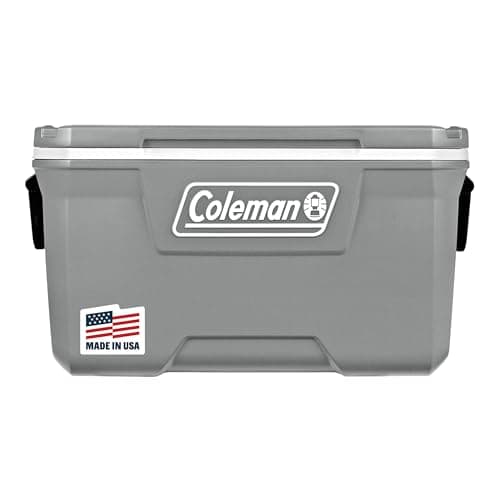
Coleman Classic 70 qt
70 qt / 50 cans, 35 lb ice
up to 3 days at 90 F
12 lb 6.4 oz
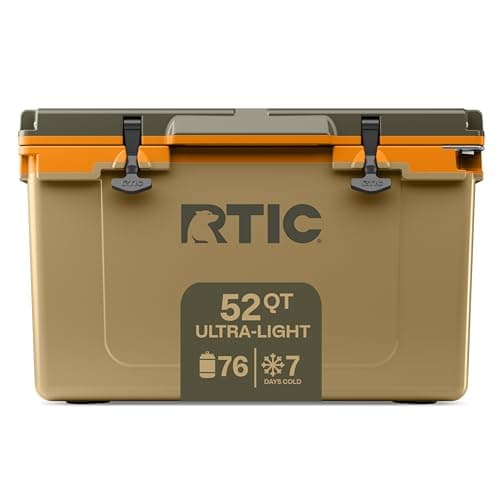
RTIC 52 QT Ultra-Light
76 cans / 51 lb ice
up to 7 days, following RTIC's tips
21 lb
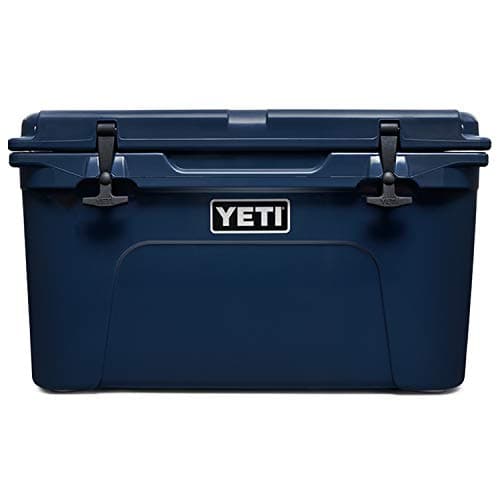
YETI Tundra 45
54 cans / 37 lb ice / 28 cans at 2:1
not stated in days
24.6 lb
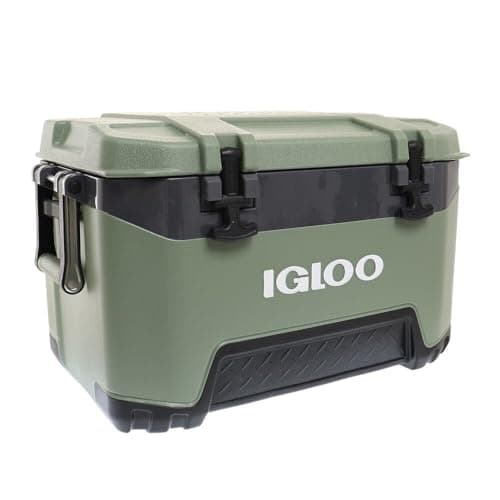
Igloo BMX 52
52 qt / up to 83 cans
up to 5 days at 90 F
16.4 lb
All figures as published by the manufacturers. Note that YETI does not publish a day count.
Why day claims are not comparable
There is no standard test for cooler ice retention. Each brand runs its own protocol and publishes the result, so a five-day claim and a seven-day claim from different companies were not measured against the same conditions. RTIC is at least explicit that its seven-day figure assumes you follow its cooling tips.
What changes ice life far more than the brand: pre-chilling the cooler, the ratio of ice to contents, how often the lid opens, whether it is in direct sun, and whether you drain the meltwater (you should not — cold water is still cold). The full mechanism is in how long does ice last in a cooler.
The cheapest upgrade is not a cooler
Block ice lasts substantially longer than cubed ice because it has far less surface area for its mass. Two frozen gallon jugs of water in the bottom of a mid-range cooler will outperform cubed ice in an expensive one, and when they melt you have drinking water rather than a soup of packaging. Details in how to keep food cold camping.
Rotomolded or not?
Rotomolded coolers are formed in one piece with thick walls and a gasketed lid, which is why they insulate better and survive abuse. They are also two to four times the price and significantly heavier empty. YETI's Tundra 45 is 24.6 lb before anything goes in it; Igloo's BMX 52 is 16.4 lb for more can capacity.
For a family camping a few weekends a year within reach of a store, a mid-range cooler and good ice discipline beats an expensive cooler and bad habits. Buy rotomolded if you camp somewhere genuinely remote, in real heat, for many days, or in bear country where a certified cooler may be required.
Two coolers also beats one big one: a small drinks cooler that gets opened constantly, and a food cooler that opens twice a day. That single habit is worth more than a category upgrade.
The picks in full
1. Best value for families
Coleman Classic 70-Quart Cooler
Coleman
70 quarts and a published claim of up to three days of ice at temperatures as high as 90 F.
Coleman publishes 70 quarts holding up to 50 cans and 35 lb of ice, up to three days of ice retention at 90 F, and TempLock FX insulation in the lid and body, in a 31 by 15.75 by 17.5 in body weighing 12 lb 6.4 oz with a Have-A-Seat lid rated to 250 lb. For a family weekend that is more capacity than most people need and the claim covers the trip.
It is the cooler to buy first, and the one to replace only when you know what you actually need.
The drawback
Thin walls compared to a rotomolded cooler, so the five-day claim depends heavily on pre-chilling and on not opening it constantly. The latch is plastic.
76 cans or 51 lb of ice, up to 3 in of foam insulation, and 21 lb empty, which is 3.6 lb lighter than the YETI.
RTIC publishes 76 cans or 51 lb of ice, up to three inches of foam, an O-ring gasket lid, and a claim of up to seven days when following its own cooling advice, at 21 lb empty and 27.17 by 17.49 by 17.33 in outside.
Compared like for like against the YETI Tundra 45, it holds more and weighs less. The comparison is worked through in YETI vs RTIC coolers.
The drawback
The seven-day claim is quoted alongside RTIC's own cooling tips, which means pre-chilling and packing correctly. Treat it as a ceiling, not a baseline.
Rotomolded, IGBC bear certified, and published with an honest 2:1 ice ratio of 28 cans with ice.
YETI publishes 54 cans or 37 lb of ice, 28 cans at a 2:1 ice ratio, outside dimensions of 25.6 by 15.9 by 15.5 in, an empty weight of 24.6 lb, and Interagency Grizzly Bear Committee certification.
The most useful thing on that spec sheet is the 2:1 figure. It is YETI stating plainly that a cooler packed properly holds half as many cans as a cooler packed with no ice at all, which is the honest way to think about every cooler on this page.
The drawback
24.6 lb empty for 54 cans of capacity, and the highest price here by a wide margin. You are buying construction, not extra days.
52 quarts and up to 83 cans at 16.4 lb empty, with the same up-to-five-days-at-90F claim as the Coleman.
Igloo publishes 52 quarts, up to 83 cans, up to five days of ice at 90 F, and a 16.4 lb empty weight in a 26.2 by 16.42 by 16.06 in body.
The weight is the argument. A rotomolded cooler full of ice and food is genuinely heavy before you add anything to it; eight pounds saved on the empty weight is eight pounds you can carry as ice instead.
The drawback
Lighter walls than the rotomolded coolers, and no gasket. Fine for a weekend, less so for a week in real heat.
About 15 quarts per person for a weekend is a reasonable starting point, then add capacity for ice. Remember the can ratings assume no ice at all: YETI publishes 54 cans for the Tundra 45 with no ice and 28 cans at a 2:1 ice ratio.
QAre expensive coolers worth it?
For long trips in real heat, remote camping or bear country, yes. For weekend camping near a store, a mid-range cooler with block ice and a pre-chill beats an expensive cooler used carelessly. The gap in construction is real; the gap in a weekend's performance is smaller than the price difference.
QShould I drain the water from my cooler?
No, not while you are still using it. Melted ice water is still close to freezing and helps keep everything cold. Draining it leaves warmer air in the space instead. Drain only when you need the room or when packing up.
QIs block ice better than cubed ice?
Yes, for duration. A block has much less surface area relative to its mass, so it melts more slowly. Frozen gallon jugs work the same way and leave you with drinking water. Cubes chill faster, which is why using both is the usual advice.
How we picked
Everyone else in this category will tell you they tested twenty of these. We have not tested any of them, and we would rather say so than pretend. There is no gear closet here and no test lab.
What we did instead: pulled the published specifications from each manufacturer's own spec sheet or manual, named the standard behind every rating so you can check what it actually promises, did the arithmetic that turns a spec into a decision, and pulled today's real retail price rather than quoting one from memory. Every pick states a drawback, because a list where nothing is wrong with anything is an advert.
The limits of that method, stated plainly: published specs do not capture zipper quality, seam durability, or how a tent behaves at 2am in a storm. Where that matters, we say so on the pick. The full method is here.