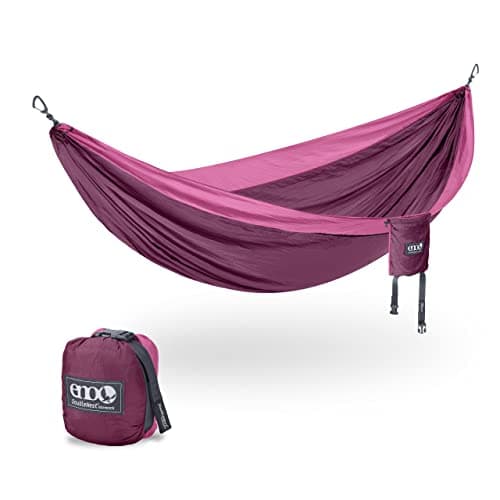
ENO DoubleNest Hammock
ENO
9 ft 6 in x 6 ft 4 in, 19 oz, 400 lb capacity, straps sold separately. The width is what makes the diagonal lie possible.
$74.95 · Check price on Amazon
#ad how this is funded · price as of October 23, 2026
A hammock you lounge in is one purchase. A hammock you sleep in is four, and the one that stops you being cold is the one nobody puts in the photo.
Trail & Tarp earns a commission from qualifying purchases made through links on this page, at no extra cost to you. Full disclosure.
The short answer
To sleep out in a hammock you need four things: the hammock, suspension straps, insulation underneath, and a tarp overhead. Add a bug net in season and it is five. A hammock on its own is an excellent chair. ENO publishes 9 ft 6 in by 6 ft 4 in, 19 oz and a 400 lb capacity for the DoubleNest, with straps sold separately — which is the whole point in one line.
Nothing about that is discouraging; it is simply the honest shopping list. A hammock setup can be lighter than a tent setup, it works on ground too rocky, sloped or wet to pitch on, and it is genuinely cooler in summer because air moves on all sides of you. It is a real alternative for one person, and a poor one for a family, because every person needs their own everything.
The most common beginner mistake is stringing a hammock as tightly as possible. A taut hammock is a banana that folds you in the middle and squeezes your shoulders. A hammock with sag is flat, comfortable and stable.
The working rule is a suspension angle of about 30 degrees from horizontal, with the sitting height about 18 in off the ground so your feet touch when you sit. Aim for a hang point around head height on the tree and let gravity do the rest. If you are being squeezed at the shoulders, the answer is always more sag, never less.
This is the single technique that converts people. Lying along the centreline of a hammock bends your spine into the curve. Lying diagonally — head toward one edge, feet toward the other — puts you across the fabric's widest axis and the bed goes almost flat.
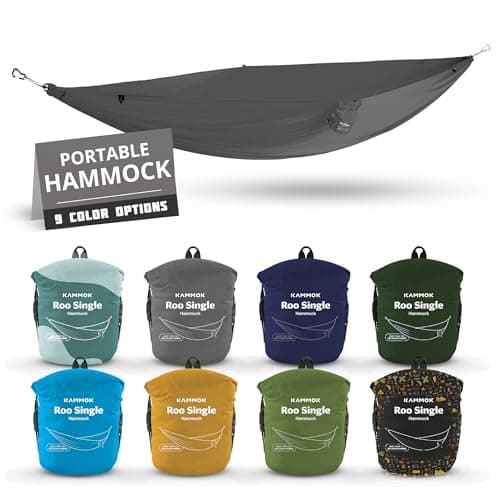
It is also why width is the specification that matters. ENO publishes 6 ft 4 in of width for the DoubleNest, and a Wise Owl double or a Kammok Roo occupy the same category for the same reason: a “double” hammock is not for two people, it is for one person to lie diagonally in. The roundup comparison is in best camping hammocks.
Cold butt syndrome, which is the real reason people give up
Your body weight compresses whatever is beneath you, and in a hammock there is nothing beneath you but a single layer of nylon and moving air. A sleeping bag is crushed flat on the underside and does nothing there, exactly as it is on the ground — but in a hammock the air is moving, which makes it worse. You will be cold at 50 F in a bag rated to 20 F, and it will feel like the bag is faulty. It is not. The mechanism is the same one described in why you get cold in a sleeping bag.
| Method | How it works | Pros | Cons |
|---|---|---|---|
| Sleeping pad inside the hammock | A closed-cell or inflatable pad between you and the fabric | Cheap; uses gear you already own | Slides out from under you; narrow pads leave shoulders exposed |
| Underquilt | An insulated quilt hung outside, against the hammock's underside | Uncompressed, so it actually works; nothing to slide | A dedicated purchase; more to carry |
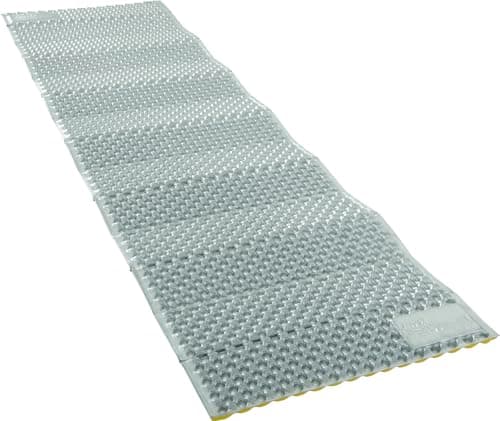
A Therm-a-Rest Z Lite Sol publishes R 2.0 at 14 oz, and its closed-cell foam construction has an advantage here that it does not have on the ground: it cannot puncture and it does not deflate if it shifts. For colder nights, a Klymit Static V Base at 18.7 oz gives more loft but slides more. Whichever you use, a wider pad is better, because shoulders and hips are what get cold. R-value still applies, per R-value explained.
Rain is the other thing that ends hammock nights. A tarp over the hammock, pitched as a ridgeline A-frame with the edges low, is the standard answer, and it is where a lightweight camping tarp earns its keep. A Kelty Noah's Tarp 12 publishes 144 sq ft at 2 lb 9 oz in 68D polyester at 800 mm with taped seams — ample coverage for a hammock and enough left over for a cooking area.
Two details. Pitch the tarp lower than instinct suggests, because rain almost never falls straight down. And add drip lines — short lengths of cord tied to the suspension where it leaves the tarp's protection, so water running along the strap drips off there rather than into the hammock with you. The pitching detail is in how to use a tarp at a campsite.
Use wide webbing straps, not rope or cord. Wide straps spread the load and do not cut into bark; thin cord damages trees and is banned outright at plenty of sites. Most manufacturers sell tree-friendly straps separately, which is why they are the first thing to buy alongside a hammock.
Then check the site rules before you plan on hanging. Many state and national park campgrounds restrict or prohibit hammocks, some allow them only on designated posts, and almost all prohibit hanging from young or protected trees. Pick living trees at least about 6 in in diameter, check overhead for dead limbs before you hang, and take a set of wide webbing straps rather than improvising with cord.
They win on rocky, root-covered, sloping and boggy ground where no tent will pitch; on hot nights, because airflow works on every side; and on solo weight, once you have the setup dialled. They also leave no ground impact, which matters where surfaces are fragile.
They lose wherever there are no trees — deserts, beaches, alpine sites, many prepared campgrounds — and they lose completely for families, because a hammock holds one person and each person needs a full kit. In cold weather they need more insulation than a tent setup, not less. For a beginner outfitting a household, a tent remains the right first purchase; a hammock is the excellent second one. That decision is worked through on the published numbers in tent vs hammock camping, and the comparison of trip types is in car camping vs backpacking.
ENO
9 ft 6 in x 6 ft 4 in, 19 oz, 400 lb capacity, straps sold separately. The width is what makes the diagonal lie possible.
#ad how this is funded · price as of October 23, 2026
Therm-a-Rest
R 2.0 at 14 oz. Closed-cell foam has a real advantage inside a hammock: it cannot puncture and does not deflate if it shifts.
#ad how this is funded · price as of October 23, 2026
Kelty
144 sq ft at 2 lb 9 oz, 68D at 800 mm with taped seams. Pitch it lower than instinct suggests and add drip lines.
Kammok
The other end of the double-hammock category. Same principle: a double is for one person lying diagonally, not two people.
#ad how this is funded · price as of October 23, 2026
Not tight. Aim for about a 30 degree suspension angle from horizontal, with the sitting height around 18 in off the ground. A taut hammock folds you in the middle and squeezes your shoulders; sag is what makes it flat and comfortable.
Because your body weight crushes the bag's insulation flat underneath you and there is moving air on the other side of a single nylon layer. It is the same compression problem as on the ground, made worse by airflow. Use a pad inside or an underquilt outside.
Five things: the hammock, wide webbing suspension straps, insulation underneath (a pad or an underquilt), a tarp overhead, and a bug net in season. A hammock on its own is a chair.
Diagonally. Head toward one edge and feet toward the other puts you across the fabric's widest axis and the bed goes almost flat. Lying along the centreline bends your spine into the curve, which is why width is the specification that matters.
Every figure on this page comes from a published source. We have not tested this gear, so the numbers are the manufacturer's or the standard body's, not ours. How we research.