No photo
Exped MegaMat 10
Exped
If the bag is clean and you are still cold, the pad is usually the cause. This one publishes a high R-value for cold-weather car camping.
A sleeping bag keeps you warm by trapping air in its loft. Everything that goes wrong when you wash one is a loft problem, and most of it happens in the dryer.
Trail & Tarp earns a commission from qualifying purchases made through links on this page, at no extra cost to you. Full disclosure.
The short answer
Wash rarely, on a gentle cycle in a front-loading machine with a technical wash rather than detergent, then tumble dry on low for several hours with a few tennis balls. Never dry clean, never use fabric softener, and never store the bag compressed. A bag washed properly comes back lofted and warm. A bag washed with detergent and pulled out of the dryer early comes back flat, and flat is cold.
Every wash costs a bag a small amount of loft, so the aim is to wash seldom and keep it clean in between. Two habits do most of the work:
Spot-clean the hood and collar, which is where 90% of the grime lives, with a damp cloth and a little technical wash. That alone will postpone a full wash for a season or two.
| Step | Down bag | Synthetic bag |
|---|---|---|
| Cleaner | Down-specific wash | Technical wash for synthetics |
| Machine | Front loader, gentle, cold or 30 C | Front loader, gentle, cold or 30 C |
| Rinse | Two extra rinses, residue is the enemy | One extra rinse |
| Drying | Low heat, several hours, with dryer balls | Low heat, shorter, with dryer balls |
| Realistic time | 3-6 hours in the dryer | 1-2 hours in the dryer |
The cleaner is the part that matters most. Ordinary laundry detergent contains surfactants designed to strip oils, and down relies on its natural oils to keep its structure — strip them and the clusters collapse and never fully recover. Detergent residue also holds water and defeats the water-repellency of both down and synthetic bags. Use a purpose-made down or technical wash, and skip fabric softener entirely: it coats fibers and destroys loft.
Never use a top loader with an agitator
The central agitator in a traditional top-loading machine tears baffles — the internal fabric walls that hold down in place — and once a baffle is torn, the fill migrates and you get cold spots that cannot be fixed. Use a front loader, or a large commercial machine at a laundrette, which is what most outdoor shops recommend and what many people without a suitable machine at home end up doing. Dry cleaning is also out: the solvents remove the oils from down permanently.
A wet bag is a solid clump of matted insulation. Tumble drying does two jobs: it removes water, and the tumbling breaks the clumps back apart into individual clusters. Both are necessary, and the second only happens with time.
Use the lowest heat setting your dryer has. High heat melts synthetic fill and damages the shell fabric, both irreversibly. Add three or four dryer balls or clean tennis balls, which beat the clumps apart as the drum turns. Then be patient: a down bag routinely takes three to six hours, and the last hour is the one that restores the final loft.
Stop the machine every half hour, take the bag out, and break up any remaining lumps with your hands before putting it back. It is dry when there are no cool, dense clumps left when you squeeze it — not when the outside feels dry, which happens hours earlier. Air drying alone does not work for down: it dries the shell and leaves the clusters matted.
More sleeping bags are destroyed by storage than by washing. A bag left compressed in its stuff sack between trips loses loft permanently, because the fill is crushed for months at a time and eventually stops springing back. That is why people conclude an old bag “stopped being warm” when nothing has actually gone wrong with it except eleven months in a compression sack.
Store it loose: in a large cotton or mesh sack, hung in a wardrobe, or simply laid flat under a bed. Store it completely dry and somewhere temperature-stable, not in a damp garage or a hot loft. If it lives in the sleep bin with the rest of the kit, make sure the bin is large enough that nothing is compressed.
If a bag has visible cold spots where the fill has migrated, torn baffles, or a shell that leaks feathers steadily, washing makes it worse rather than better. And if it simply is not warm enough for the trips you take, that is a rating problem rather than a cleanliness problem — temperature ratings explained covers what those numbers promise, and the bag roundup covers the replacements.
One more thing worth ruling out first: if you are cold in a perfectly good bag, the problem is usually underneath you rather than around you. Your body weight crushes the insulation below you flat, so the pad does that work. A pad with a real R-value fixes more “cold bag” complaints than any wash ever will, and the mechanism is set out in why you get cold in a sleeping bag.
Exped
If the bag is clean and you are still cold, the pad is usually the cause. This one publishes a high R-value for cold-weather car camping.
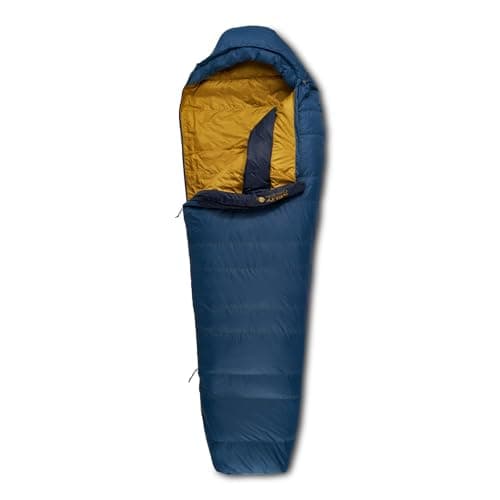
Kelty
A down bag with published ISO comfort and limit figures, if washing has confirmed that the old bag is simply past it.
#ad how this is funded · price as of October 23, 2026
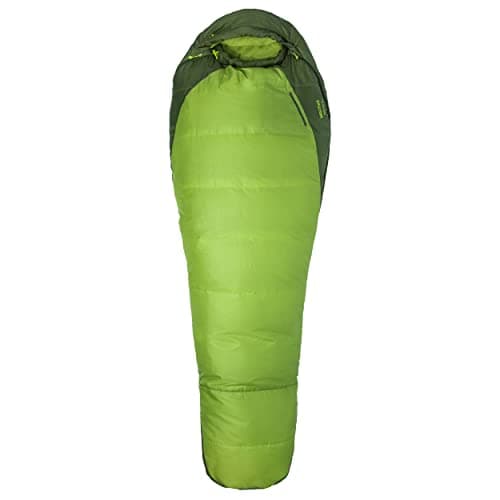
Marmot
Synthetic fill, which is far more forgiving of damp, washing and imperfect drying than down is.
#ad how this is funded · price as of October 23, 2026
Yes, in a front-loading machine on a gentle cycle with a technical wash rather than detergent. Never use a top loader with a central agitator, which tears the internal baffles, and never dry clean, because the solvents strip the natural oils from down.
A purpose-made down wash for down bags or a technical cleaner for synthetics. Ordinary detergent strips the oils down needs to hold its structure, and residue left in thick insulation holds water and flattens the loft.
A down bag routinely takes three to six hours on low heat in a tumble dryer, and a synthetic one one to two. Add dryer balls to break up clumps, and check by squeezing for cool dense lumps rather than trusting how the outside feels.
Loose and dry, in a large cotton or mesh sack, hung up or laid flat. Storing a bag compressed in its stuff sack between trips permanently flattens the loft, which is the usual reason an older bag seems to have stopped being warm.
Every figure on this page comes from a published source. We have not tested this gear, so the numbers are the manufacturer's or the standard body's, not ours. How we research.