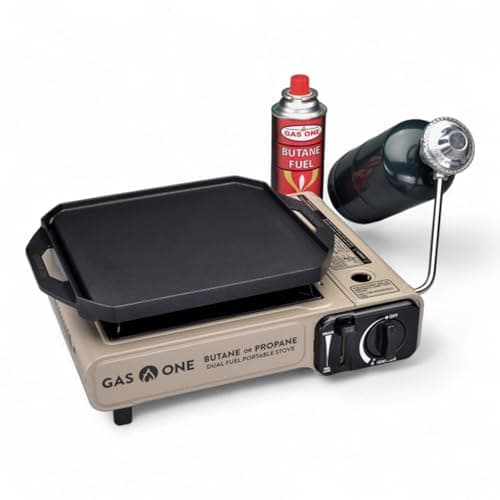
Gas One GS-3400P Dual-Fuel Stove
Gas One
A small canister burner boils fast, which is all most coffee methods need. Sustained percolating is where fuel disappears.
$56.99 · Check price on Amazon
#ad how this is funded · price as of October 23, 2026
Every camp coffee method works. They differ on the four things that actually matter in a field: fuel, water, washing up, and how much of it you can do before you have had any coffee.
Trail & Tarp earns a commission from qualifying purchases made through links on this page, at no extra cost to you. Full disclosure.
The short answer
Fuel, water, washing up, and how many steps you can manage before caffeine. Taste is fifth. A method that produces excellent coffee and needs a liter of rinse water is a bad method at a campsite where water comes from a tap two hundred yards away. Choose on logistics first and the coffee will still be better than you expect.
| Method | Kit | Fuel | Cleanup | Half-asleep difficulty |
|---|---|---|---|---|
| Instant | A mug | Boil water only | Rinse the mug | None |
| Coffee bags | A mug | Boil water only | Bin the bag, rinse | None |
| Pour-over cone | Cone plus filters | Boil water only | Bin the filter, rinse | Low |
| French press | Press or press-lid mug | Boil water only | Grounds to dispose of, rinse | Low |
| AeroPress | Press plus filters | Boil water only | Eject the puck, rinse | Medium |
| Percolator | Percolator | Sustained heat, 5-10 min | Grounds plus a tall pot | Medium |
Instant coffee has improved enormously, and the freeze-dried specialty sachets sold for backpacking are genuinely good rather than merely acceptable. It needs no equipment, no filter, no grounds disposal and no rinse water, and it is the only method on this list you can make inside a tent vestibule in rain without any fuss.
For a first backpacking trip, this is the correct answer and it is not a compromise. Every gram and every minute you do not spend on coffee is spent somewhere better. Single-serve specialty instant costs more per cup than a bag of grounds and less than the fuel you would burn percolating.
A collapsible cone sits on a mug, you add a filter and grounds, and you pour. It is the method most likely to produce coffee you would actually order, it weighs almost nothing, and the used filter goes straight in the bin with the grounds inside it — which is the single biggest cleanup advantage of any method here.
The catch is pouring technique and time. It wants a slow, controlled pour, and a wide-mouthed pot makes that hard; the coffee is noticeably better from a cone with a controlled pour and a narrow spout. It also cools fast in cold air, so warm the mug first and drink it promptly.
Press-style brewing makes several cups at once, which matters enormously when four people want coffee at the same time and you have one stove. It is forgiving of grind size, needs no filters to run out of, and takes four minutes of doing nothing.
The problem is the grounds. A press leaves a slurry of wet coffee at the bottom of a narrow vessel, and getting it out without either tipping it on the grass or using half a liter of water is genuinely awkward. Campsites also have rules about food waste, and coffee grounds are food waste. If you use a press, carry a sealable waste bag and plan for it.
The percolator question
A stovetop percolator is the traditional camp method and it has one real advantage: it makes a lot of coffee and keeps it hot on the edge of a stove or fire. It also uses sustained heat for five to ten minutes rather than a single boil, which on a small canister stove is a meaningful fraction of a cartridge every morning, and it recirculates boiling water through the grounds until the coffee is thoroughly over-extracted. Buy one for the ritual and the volume, not for the coffee.
It makes excellent, consistent coffee from mediocre grounds, it is nearly unbreakable, and the cleanup is the best of any method that involves loose grounds: the used puck ejects as a dry-ish disc straight into a bin. The travel version packs into its own mug.
Two honest caveats. It makes one cup at a time, so a family of four is four rounds. And it has genuine steps — filter, grounds, water, stir, wait, press — which is more than some people can manage before the coffee they are making. If that describes your mornings, take instant on the first day and the AeroPress on the second.
Every method except instant and coffee bags needs rinse water on top of the water you drink. At a developed campground with a tap that is irrelevant. On a trip where water is carried or filtered, budgeting half a liter a day to rinse a coffee vessel is a real cost, and it is the reason experienced backpackers converge on instant.
Fuel divides the same way. Boiling 500 ml is a couple of minutes on any stove. Percolating for eight minutes every morning across a four-day trip is a different fuel calculation entirely, and it is worth doing before you find out at breakfast on day four. The stove comparison is in best camp stoves, and propane vs butane covers which cartridge behaves in cold mornings.
Grind at home either way. A hand grinder is a lovely object and one more thing to do before coffee; pre-ground in a sealed bag is fine for three days. And the mug is not a small point — the cook sets that include double-wall insulated mugs are noticeably better to live with on a cold morning than the ones that do not.
Gas One
A small canister burner boils fast, which is all most coffee methods need. Sustained percolating is where fuel disappears.
#ad how this is funded · price as of October 23, 2026
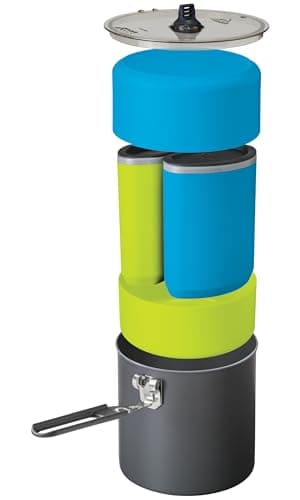
MSR
Two double-wall insulated mugs that nest in the pot, which is the single biggest upgrade to coffee on a cold morning.
#ad how this is funded · price as of October 23, 2026
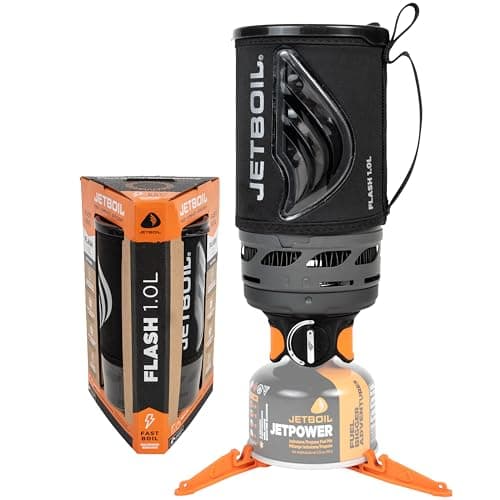
Jetboil
An integrated boil system: if coffee is the only thing you cook, this is the fastest route from cold water to a cup.
#ad how this is funded · price as of October 23, 2026
For backpacking, specialty instant or coffee bags, because they need no equipment, no rinse water and produce no grounds. For car camping with two people, a pour-over cone gives the best coffee for the least hassle. For a group, a French press or percolator wins on volume.
It is good for volume and for keeping coffee hot, and poor for taste and fuel. Percolators recirculate boiling water through the grounds for five to ten minutes, which over-extracts the coffee and uses far more fuel than a single boil.
Coffee grounds are food waste and should go in a sealed bag and then a bin, not on the ground or into a stream. This is the main practical drawback of French press and percolator brewing compared with filter methods, where the grounds leave inside the filter.
A double-wall insulated mug with a lid makes more difference on a cold morning than the brewing method does. A single-wall metal mug goes from scalding to lukewarm in around ninety seconds in cold air.
Every figure on this page comes from a published source. We have not tested this gear, so the numbers are the manufacturer's or the standard body's, not ours. How we research.