Sleeping Bag vs Quilt: Which One Should a Beginner Buy?
A quilt is a sleeping bag with the useless half removed. That is a real engineering argument, and it is still not what most beginners should buy first.
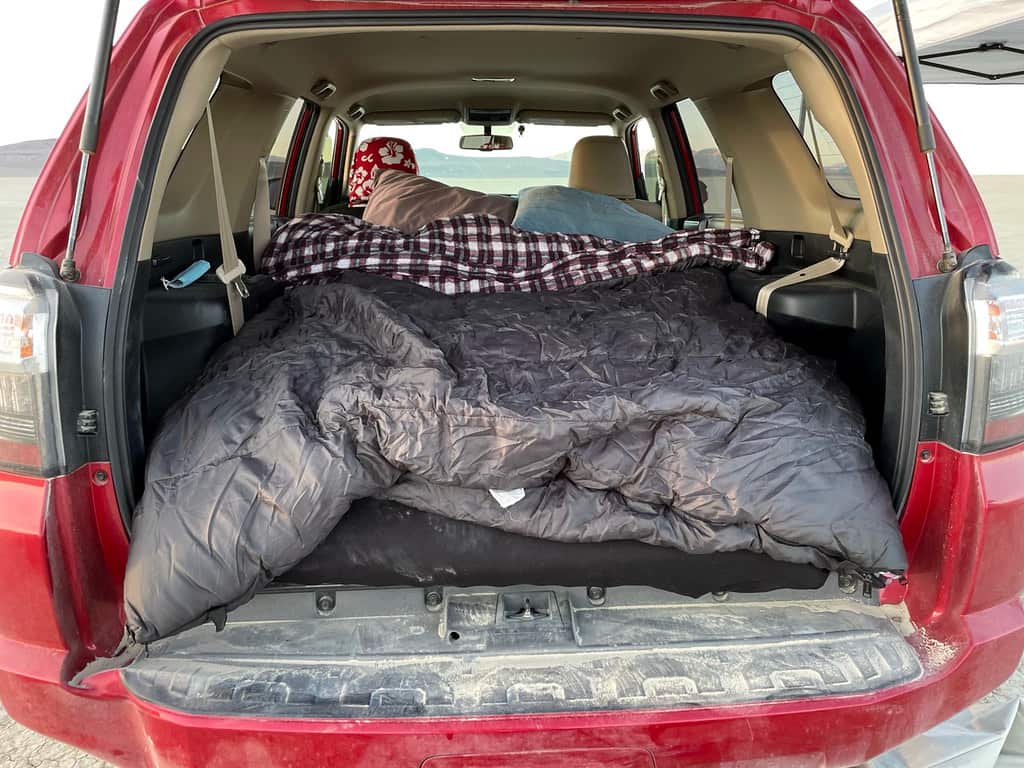
Buy a rated sleeping bag first. Consider a quilt once you know how you sleep and how cold you get. A quilt removes the insulation under you, which your body weight had crushed flat anyway, and saves several ounces. It also removes the hood, the draft collar and, in almost every case, the ISO-tested temperature rating that lets you plan against a real number.
The argument for a quilt is sound
Insulation works by trapping air, and the fill beneath you is compressed to almost nothing by your own body weight. A quilt accepts that and deletes it, using the pad's R-value to handle everything below you and fabric only for everything above. The result is lighter and packs smaller for the same warmth above you, and it is much easier to vent on a warm night — you simply stick a leg out.
For anyone who sleeps hot, moves around, or hates the confinement of a mummy bag, a quilt genuinely solves problems.
The argument against, for a beginner
Sleeping bag
Quilt
Temperature rating
Often ISO tested, comfort and limit published
Usually a maker's own figure
Drafts
Zipper baffle and draft collar seal the edges
Depends entirely on strapping it to the pad correctly
Hood
Included on mummy and semi-rectangular bags
None. You wear a hat
Weight
Heavier for the same warmth
Lighter
Setup at bedtime
Get in
Attach straps to the pad, tuck edges
Price
Wide range, including genuinely cheap options
Mostly specialist brands
Ratings comparison drawn from published specifications; the Kelty and Marmot bags on this site publish ISO figures.
The draft point is the one that catches people. A quilt works when its edges are sealed against the pad by straps and by your body weight. Move around at 3am, and a badly attached quilt lets a stream of cold air along your ribs. A bag with a zipper baffle and a draft collar is much harder to get wrong, and “hard to get wrong” is worth a lot on your third night of camping.
If you do buy a quilt
Two things matter more than they do with a bag. First, the pad: a quilt is only as warm as the R-value beneath it, with no margin from crushed fill. Second, the straps: attach them properly every night, and size the quilt wide enough that you can move without breaking the seal.
The verdict
For a first purchase, buy a bag with published ISO comfort and limit figures. You get a rating produced by a standardized test, a hood, and a design that tolerates being used carelessly. Both bags we recommend publish comfort ratings within a degree of each other around 31 to 32 F, so you know exactly what you are getting.
Revisit quilts once you have a few nights behind you, especially if you are moving toward carrying your own gear on a first backpacking trip, where the weight saving starts to matter and you already know how warm you sleep.
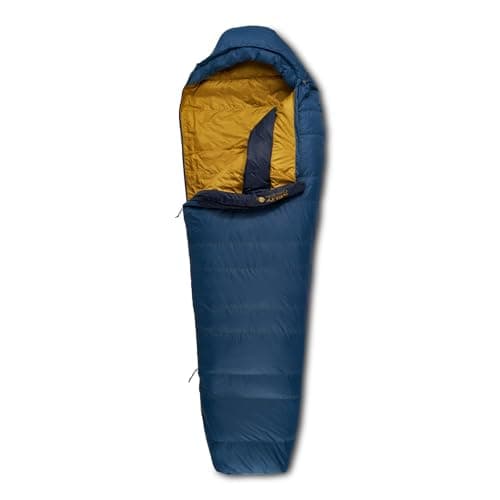
Publishes ISO comfort 31F and limit 21F, at 2 lb 7 oz in the regular size.
The reason to point a beginner at a rated bag rather than a quilt is not that quilts are worse. It is that a bag with published ISO figures lets you plan a trip against a number that a laboratory produced, and almost no quilt sold today carries one.
The drawback
Down at 550 fill is not premium, and a wet down bag is a cold bag. Keep it in a dry bag when it is not in the tent.
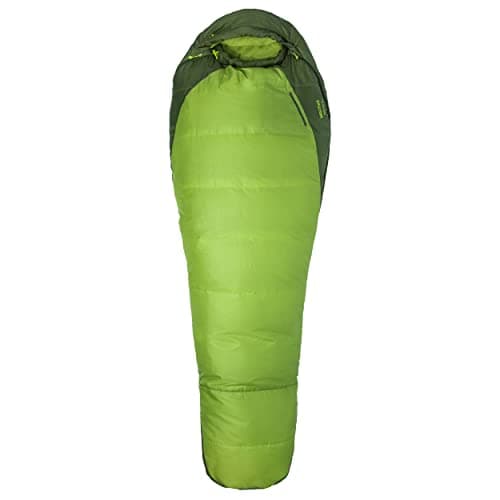
ISO comfort 32.2F and limit 21.6F in synthetic fill that tolerates damp.
If the argument for a quilt is weight, note that most of the weight difference between these two bags is fill type, not design. Switching from synthetic to down saves you roughly a pound at the same ISO rating, before you consider dropping the underside at all.
The drawback
3 lb 8.4 oz, a pound more than the down bag for the same rating.
Not inherently. A quilt with the same fill weight is warmer per ounce carried, because none of its insulation is wasted underneath you, but it relies completely on the pad below and on sealing the edges. A bag is more forgiving of a poor setup.
QShould a beginner buy a camping quilt?
Usually not first. Quilts rarely publish ISO-tested comfort and limit ratings, they need correct strapping to avoid drafts, and they have no hood. A rated bag removes several variables at once while you are still learning how warm you sleep.
QDo quilts get drafty?
They can, and it is the main complaint. The quilt has to be strapped to the sleeping pad and tucked so your body weight seals the edges. Move around at night with loose straps and cold air enters along your side.
QWhat temperature rating do quilts use?
Most quilts carry a manufacturer's own rating rather than an ISO 23537 comfort and limit pair, because the standard's test method is built around an enclosed bag. Treat quilt ratings the way you would treat any untested figure and leave margin.
How we picked
Everyone else in this category will tell you they tested twenty of these. We have not tested any of them, and we would rather say so than pretend. There is no gear closet here and no test lab.
What we did instead: pulled the published specifications from each manufacturer's own spec sheet or manual, named the standard behind every rating so you can check what it actually promises, did the arithmetic that turns a spec into a decision, and pulled today's real retail price rather than quoting one from memory. Every pick states a drawback, because a list where nothing is wrong with anything is an advert.
The limits of that method, stated plainly: published specs do not capture zipper quality, seam durability, or how a tent behaves at 2am in a storm. Where that matters, we say so on the pick. The full method is here.